












May 14, 2026; the Philippines officially confirmed today the blocking of online gambling websites across the country’s Free Wi-Fi for All public network, a move that strengthens digital control over gaming while accelerating the country’s transition toward a more regulated and supervised gambling model focused on licensed operators. The measure was announced by the Department of Information and Communications Technology (DICT) during the rollout of new connectivity hubs in Zamboanga del Sur, one of the government’s priority regions for expanding free internet access.

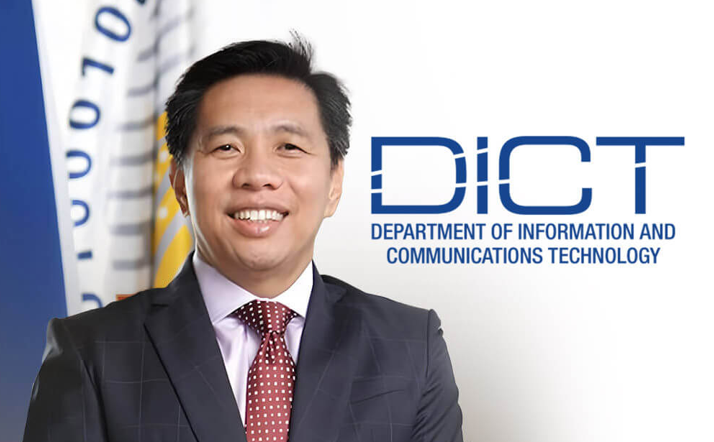
The core of the initiative is the implementation of automatic filters that will prevent access to gambling and pornography platforms through state-funded internet connections. DICT secretary Henry R. Aguda confirmed that the restrictions will remain permanent across schools, remote communities and vulnerable areas covered by the national connectivity program. Authorities acknowledged that some users may attempt to bypass controls through VPN services, but stressed that monitoring systems, filtering tools and cybersecurity measures will continue to be strengthened within public digital infrastructure.

President Ferdinand Marcos Jr.
The move comes as the Philippines continues reshaping its gaming ecosystem following the gradual shutdown of POGOs (Philippine Offshore Gaming Operators) ordered by President Ferdinand Marcos Jr. beginning in 2024. The government is now seeking to consolidate a model centered on licensed operators, domestic e-gaming and responsible gambling standards. The country’s primary gaming regulator remains the Philippine Amusement and Gaming Corporation (PAGCOR), chaired by Alejandro H. Tengco, which oversees casinos, licensing, e-gaming, compliance, AML/KYC requirements and enforcement against illegal operators.
The legal framework for gambling continues to operate under Presidential Decree No. 1869, known as the PAGCOR Charter, later expanded through Republic Act No. 9487, which extended PAGCOR’s regulatory and operational franchise for another 25 years. Under this system, legal gambling activities operate through licensing, technical supervision and direct remittances to the Philippine Treasury.

DICT secretary Henry R. Aguda
The public Wi-Fi gambling block is also connected to broader regulatory policies implemented during 2026. PAGCOR already requires KYC verification before online deposits, biometric identification, self-exclusion systems and tighter advertising restrictions for digital operators. Enforcement also involves the Cybercrime Investigation and Coordinating Center (CICC) and the National Telecommunications Commission (NTC), both responsible for the technical blocking of illegal gambling sites and advertisements.

Market figures highlight the scale of the Philippine gaming industry. PAGCOR projects national GGR could reach between USD 7.8 billion and USD 8.3 billion in 2025, after generating approximately USD 7.1 billion during 2024, driven mainly by e-gaming and integrated resorts. The Philippines is now entering a new phase of stricter digital oversight, access filtering and online supervision while seeking to preserve the growth of legal gaming under tighter identity, advertising and connectivity rules.