














Southeast Asia is redefining its fight against illegal online gambling through a strategy that combines large-scale digital infrastructure blocking, tighter control of social media advertising and mandatory identity verification for users and advertisers. While Thailand intensifies one of the region’s largest crackdowns on illegal betting websites ahead of the 2026 FIFA World Cup, Malaysia is implementing new digital rules designed to cut off the advertising and financial channels used by unlicensed operators.


Trairong Piwpan
In Thailand, the Royal Thai Police (RTP) reported the blocking of 717,425 gambling-related URLs between October 1, 2025, and May 20, 2026. The operation is coordinated by the Technology Crime Suppression Centre, led by Deputy Commissioner Trairong Piwpan, and is focused on preventing the expansion of illegal gambling networks ahead of the World Cup. The crackdown targets not only traditional gambling websites but also promotional content and links distributed through Facebook, TikTok and Line, reflecting the migration of illegal gambling activity into social media ecosystems.

Enforcement remains grounded in the Gambling Act B.E. 2478 (1935), while the Ministry of Digital Economy and Society (DES) supports content removal and website blocking efforts. The campaign follows the government’s decision to withdraw the Entertainment Complex Bill in 2025, legislation that would have legalized integrated casino resorts and attracted international tourism investment.

Malaysia is pursuing a different approach. As of June 1, 2026, every individual or company purchasing sponsored advertising on social media platforms must complete identity verification before publishing ads. The policy is enforced by the Malaysian Communications and Multimedia Commission (MCMC) and forms part of the Risk Mitigation Code (RMC) developed under the Online Safety Act 2025 (ONSA). The framework was championed by Communications Minister Fahmi Fadzil and Deputy Communications Minister Teo Nie Ching and applies to platforms with more than 8 million users in Malaysia. The primary objective is to combat online fraud, illegal gambling promotion and the misuse of fake identities and manipulated public figures in advertising.
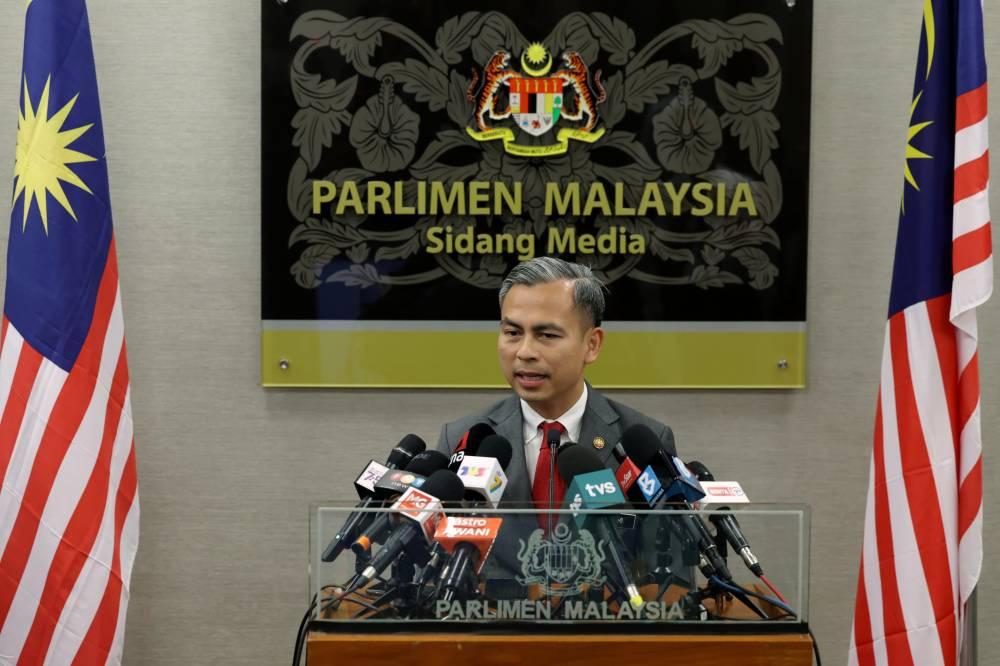
Communications Minister Fahmi Fadzil
The scale of the challenge is substantial. Between January 1 and May 23, 2026, the MCMC ordered the removal of 271,472 pieces of content, with 91% linked to online scams and illegal gambling. According to Fahmi Fadzil, 81% of illegal gambling content detected by authorities was hosted on Facebook, while 58% of scam-related content also originated from the platform. Meanwhile, Malaysian banks blocked approximately MYR1.2 billion; roughly US$300 million, that criminal groups attempted to steal through online fraud schemes. Total losses associated with scam syndicates reached MYR2.7 billion during 2025.

Minister Teo Nie Ching

Together, the two countries illustrate a fundamental shift in Asian gambling enforcement.
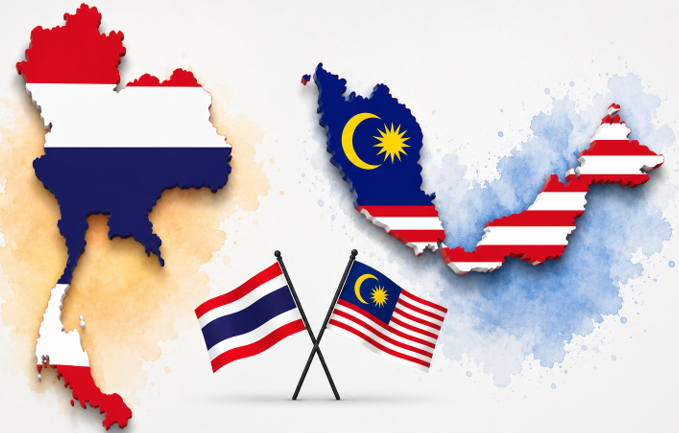
Thailand is targeting distribution through mass URL blocking, while Malaysia is attacking advertising, identity verification and monetization channels. In both cases, the focus has moved beyond traditional illegal casinos toward the algorithms, social media platforms, verification systems and digital infrastructure that increasingly power unlicensed online gambling operations. Asia is moving the battle against illegal gambling away from physical venues and directly into the technological ecosystem that sustains the growth of unauthorized online gaming.