








South Korea entered a direct confrontation with its casino industry on 23 July 2026 as the government defended raising the maximum contribution to the Tourism Promotion and Development Fund from 10% to 15% and introducing licenses renewable every five years. The Korea Casino Association warned that the package could accelerate bankruptcies.

The proposal from the Ministry of Culture, Sports and Tourism, headed by Chae Hwi-young, would also require prior authorization for casino transfers or changes involving controlling shareholders. Democratic Party lawmaker Cho Gye-won plans to introduce the Tourism Promotion Act amendment in August. No bill has yet been approved, no general 15% rate is in force and no official implementation date exists. If Parliament amends the law, a presidential decree will establish the brackets; the industry considers 2028 a possible scenario.
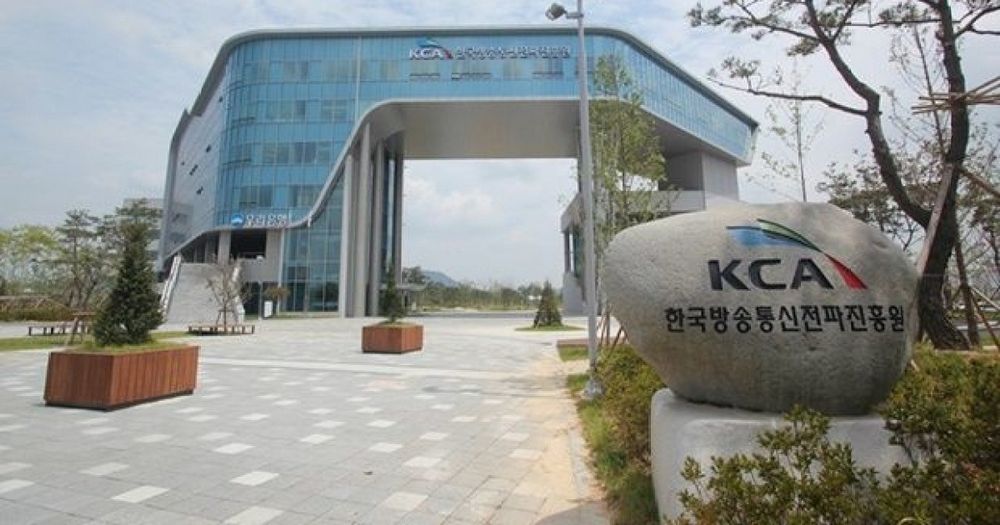
Article 30 currently caps the contribution at 10% of gross gaming revenue. Each property pays under a progressive scale; 1% on revenue up to KRW1 billion; KRW10 million plus 5% on the portion up to KRW10 billion; and KRW460 million plus 10% on revenue exceeding that threshold. Kim Na-na, director of the Convergence Tourism Division, cited a potential 15% bracket beginning at KRW300 billion as an example, although no threshold has been decided.
Choi Sung-wook, president of the association, said between eight and 15 of the country’s 17 or 18 operators recorded losses during the past decade. Casinos contributed KRW219.5 billion in 2025, 61.7% more than KRW135.7 billion in 2019.
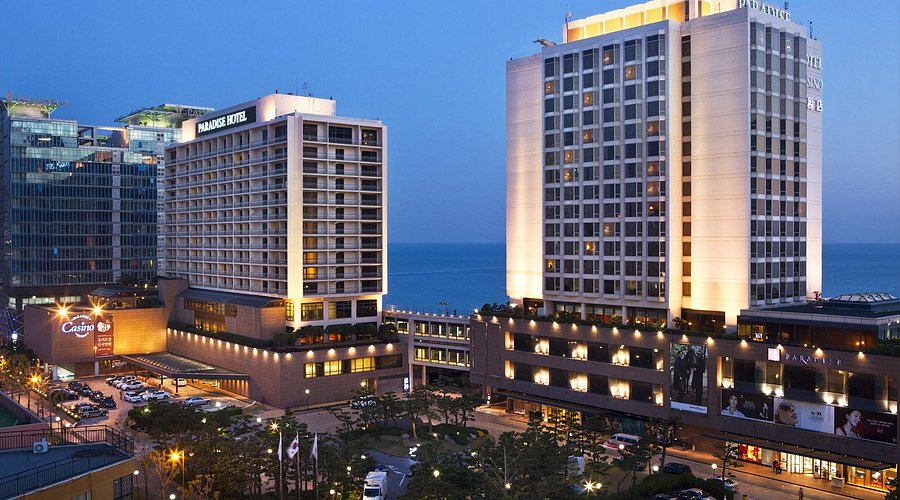
The association estimates additional annual payments of KRW76.3 billion (US$51.8 million) for three mainland operators, rising to KRW101.9 billion (US$69.2 million) if one Jeju operator is included. Shinhan projected profit reductions of 29% for Paradise, 37% for Grand Korea Leisure and 21% for Lotte Tour Development.

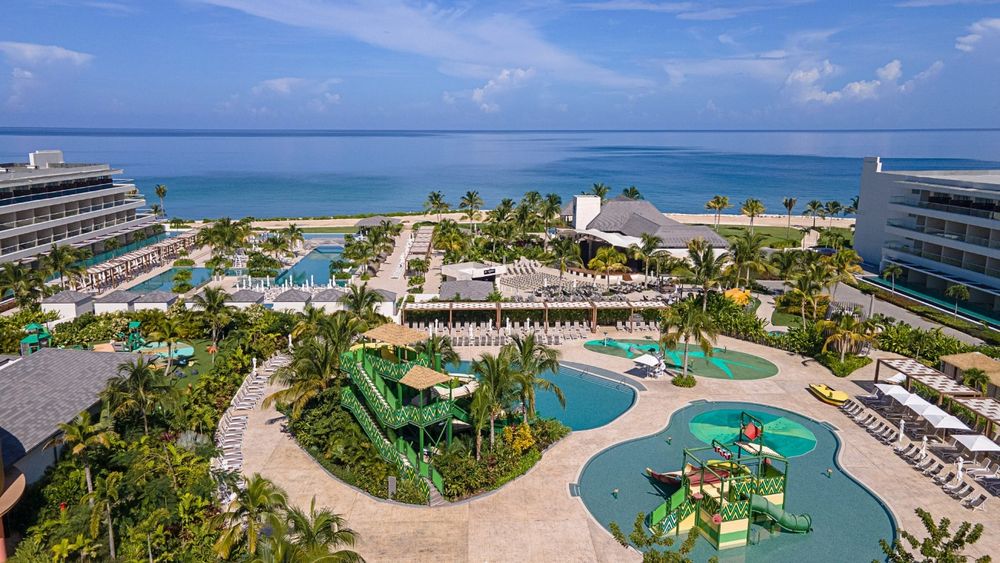
Jeju, home to eight casinos that generated KRW646.5 billion in 2025, is initially excluded under its special legislation. INSPIRE, which invested KRW1.93 trillion and employs 4,000 people, reported annual financing costs of KRW120 billion. Lee Myeong-jin, head of Casino Industry Policy, defended the overhaul following the sector’s expansion; Choi argued that charging operators on revenue even when they incur losses threatens investment and employment ahead of MGM Osaka’s 2030 opening.