








Asia’s gaming industry is witnessing two sharply contrasting developments. While Japan’s Hokkaido Prefecture is once again positioning itself as a candidate to host a major integrated resort with a casino, authorities in Cambodia have revoked the license of Roxy Casino over alleged links to online fraud operations, reinforcing regulatory pressure across the region.


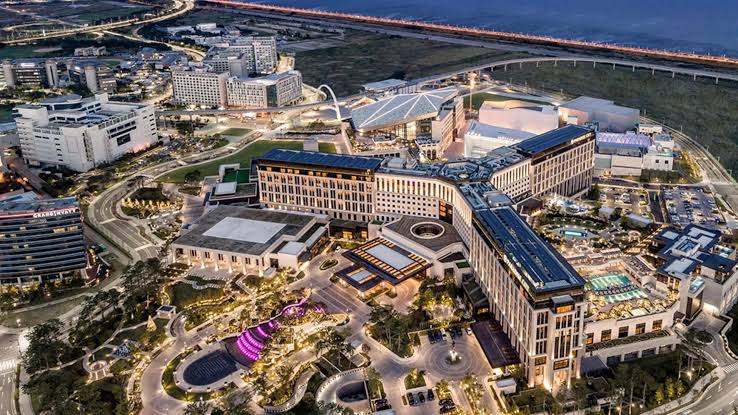
In Japan, attention has returned to Hokkaido, which is seeking to re-enter the race for a future integrated resort with a casino. On June 11, business organizations and economic stakeholders from the prefecture renewed public efforts to promote Tomakomai as the preferred location for a future Integrated Resort (IR), placing the project’s international connectivity at the center of its strategy. Supporters argue that the development should be built around the corridor served by New Chitose International Airport, the main aviation gateway to northern Japan and one of the country’s busiest airports, allowing the resort to attract international visitors from the outset. The initiative is designed to reposition Hokkaido as a leading contender if the Japanese government decides to launch a second round of IR licenses after the country’s first casino-resort project, MGM Osaka, moves toward completion.
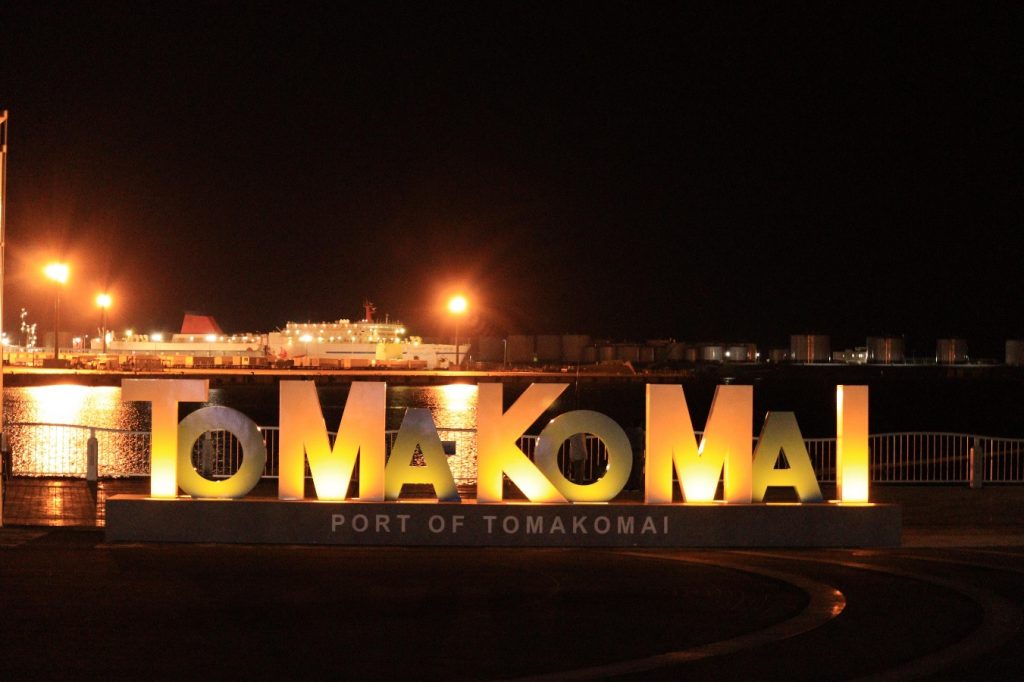
- Tomakomai signals renewed push to host Japan’s next IR
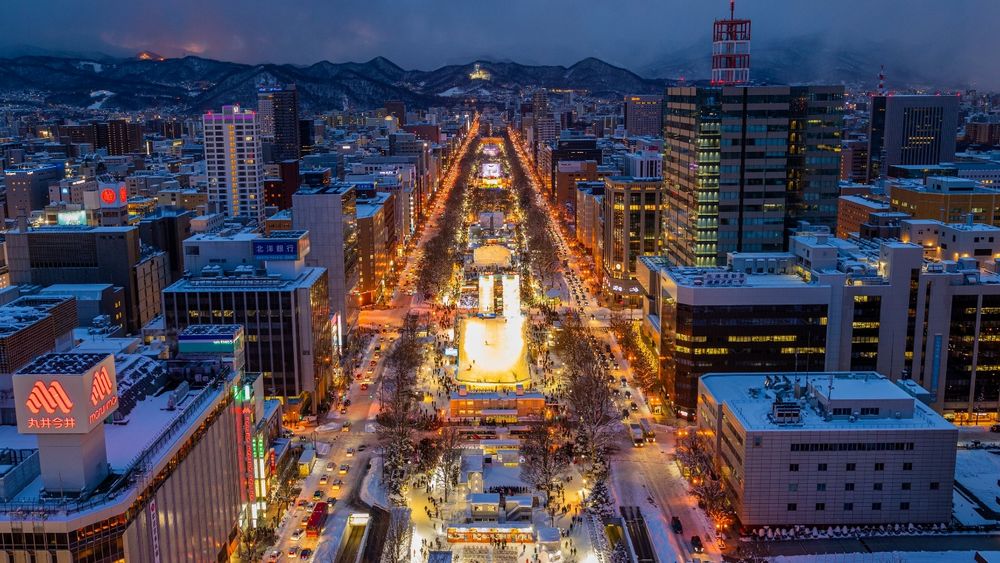
Hokkaido’s strategy is straightforward: leverage the unique combination of New Chitose Airport and Sapporo, Japan’s fifth-largest city and the economic capital of the northern region, as its strongest competitive advantage over rival jurisdictions. Project advocates argue that no other potential candidate offers the same mix of international air access, a major metropolitan market, port infrastructure and large-scale development land suitable for a world-class resort destination. Beyond the airport and its direct connection to Sapporo, the proposal also highlights the Port of Tomakomai, one of northern Japan’s key logistics hubs for trade and maritime traffic.
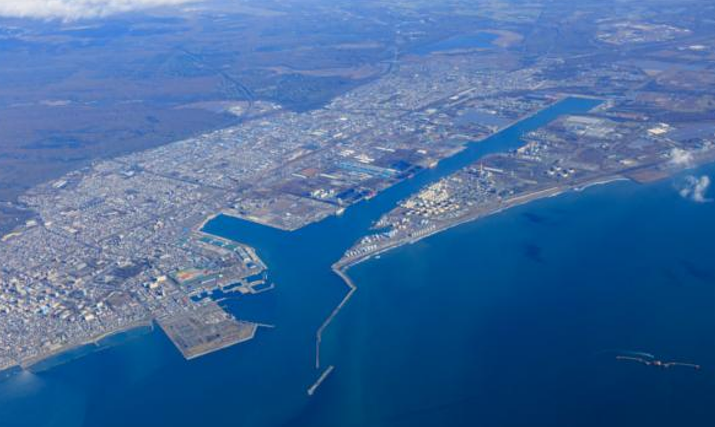
If Tokyo opens a new licensing process after MGM Osaka’s scheduled 2030 opening, Hokkaido would likely compete primarily against Nagasaki, whose casino-resort proposal was rejected by the central government in 2023, as well as other prefectures that could revive previously shelved projects. Any future development would remain governed by the Integrated Resort Development Act and the Integrated Resort Implementation Act, the legislative framework that legalized integrated casino resorts in Japan.
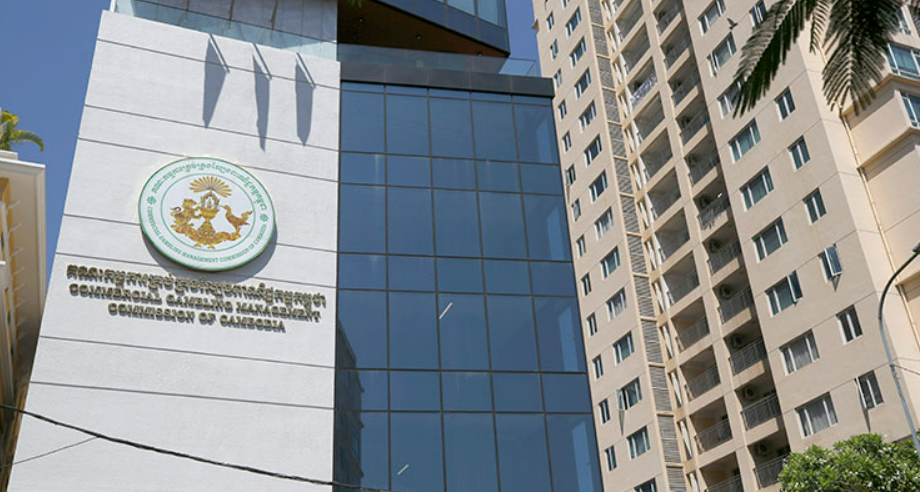
More than 4,000 kilometers away, Cambodia has moved in the opposite direction. The Commercial Gambling Management Commission (CGMC) revoked the license of Roxy Casino, located in Bavet, Svay Rieng Province, one of the country’s most important gaming hubs near the Vietnam border. The decision was taken under the authority granted by the Law on the Management of Commercial Gambling (2020) after regulators identified alleged links between the operator and online scam activities.
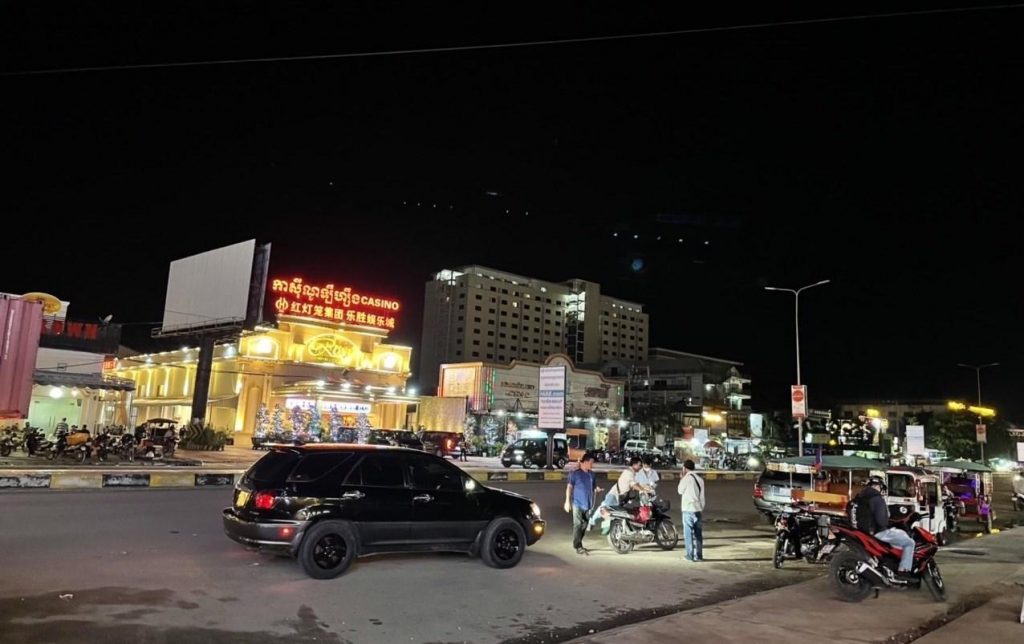
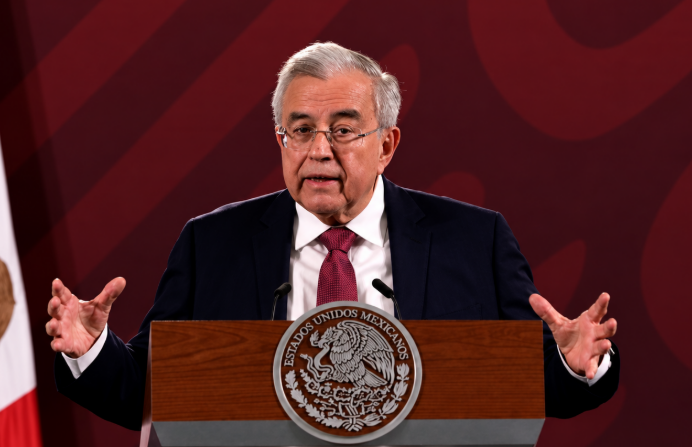
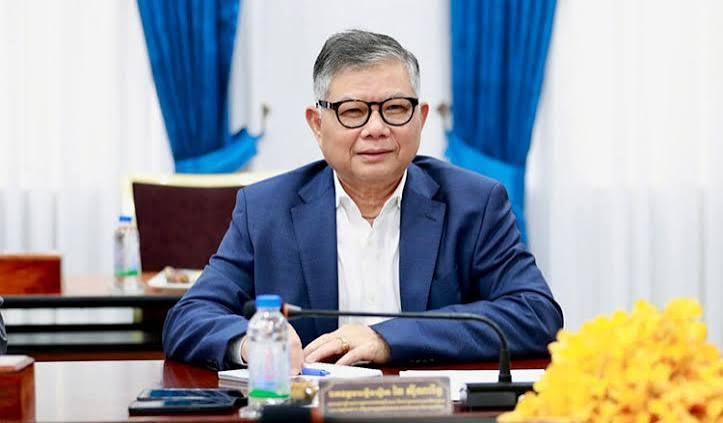
The CGMC, led by Ros Phearun, has intensified cooperation with national and international law-enforcement agencies in recent years to combat digital fraud networks, money laundering and illegal activities connected to gaming establishments. The closure of Roxy Casino forms part of a broader regional campaign involving Cambodia, China, Thailand and Laos to dismantle cross-border scam compounds that have drawn increasing scrutiny to parts of Southeast Asia’s gaming sector.
While Japan is exploring new multibillion-dollar casino investments and tourism development opportunities, Cambodia is sending a clear message that operators connected to fraud and illicit activity will face the loss of their licenses. Together, the two decisions illustrate the dual path emerging across Asia’s gaming industry: expansion through tightly regulated investment on one side, and stricter enforcement against non-compliant operators on the other.