




Peru delivered a double signal to the regulated gaming market in June 2026; while Indecopi overturned the ban that prevented lotteries and betting products from being sold in pharmacies and drugstores, slot machine imports surged 48% year-on-year, confirming that operators and suppliers continue to invest heavily in the industry's expansion. Together, both developments point in the same direction, broader legal distribution channels and increased investment in gaming infrastructure.

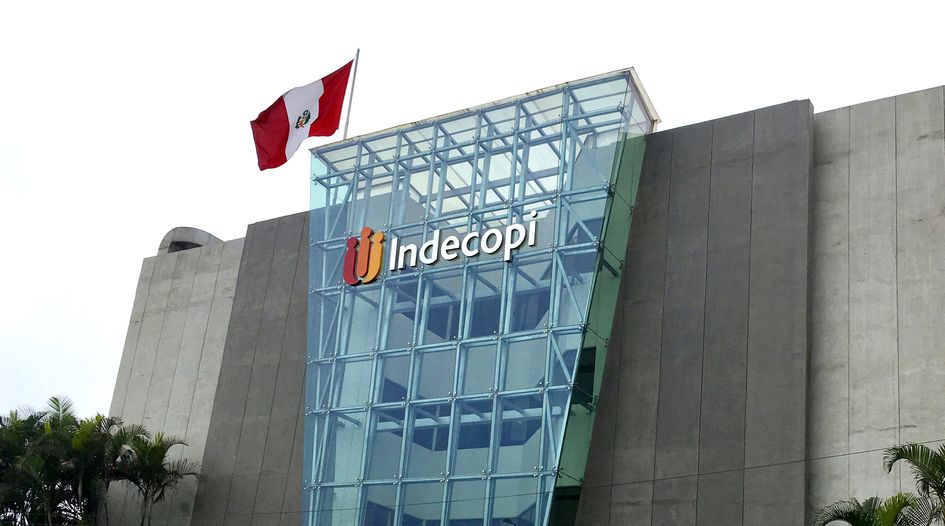
The first measure stemmed from a complaint filed by La Tinka S.A. against Ministerial Resolution No. 734-2025/MINSA, through which the Ministry of Health (Minsa), led by Juan Carlos Velasco Guerrero, had restricted the sale of lotteries and betting products in pharmaceutical establishments. The Bureaucratic Barriers Elimination Commission of Indecopi, headed by Juan Carlos Del Prado Ponce, concluded in a resolution signed on June 2, 2026, that the ministry had exceeded its legal authority and failed to provide technical or health-related evidence demonstrating risks to the quality, safety or commercialization of medicines.

The ruling requires restrictions to be removed for any pharmacy, drugstore or economic operator affected by the measure. It also establishes that Minsa must formally report the elimination of the restriction within five business days after the decision becomes final. Failure to comply could result in penalties of up to 20 Tax Units (UIT), in addition to legal costs and procedural expenses.
The case also involved the Ministry of Women and Vulnerable Populations (MIMP), led by Edith Betzabeth Pariona Valer, and the Ministry of Foreign Trade and Tourism (Mincetur), headed by Berthín Enrique Gómez Vela, both of which informed Indecopi that their regulatory frameworks contain no prohibition against selling lottery or betting products in pharmacies. Indecopi further noted that Supreme Decree No. 011-2017-PRODUCE recognizes lottery ticket sales as an activity compatible with any commercial establishment. The proceeding also revealed that more than 2,150 sports betting outlets were operating across different types of businesses before the ban and that at least 5% of gross lottery sales are allocated to programs supporting vulnerable populations.
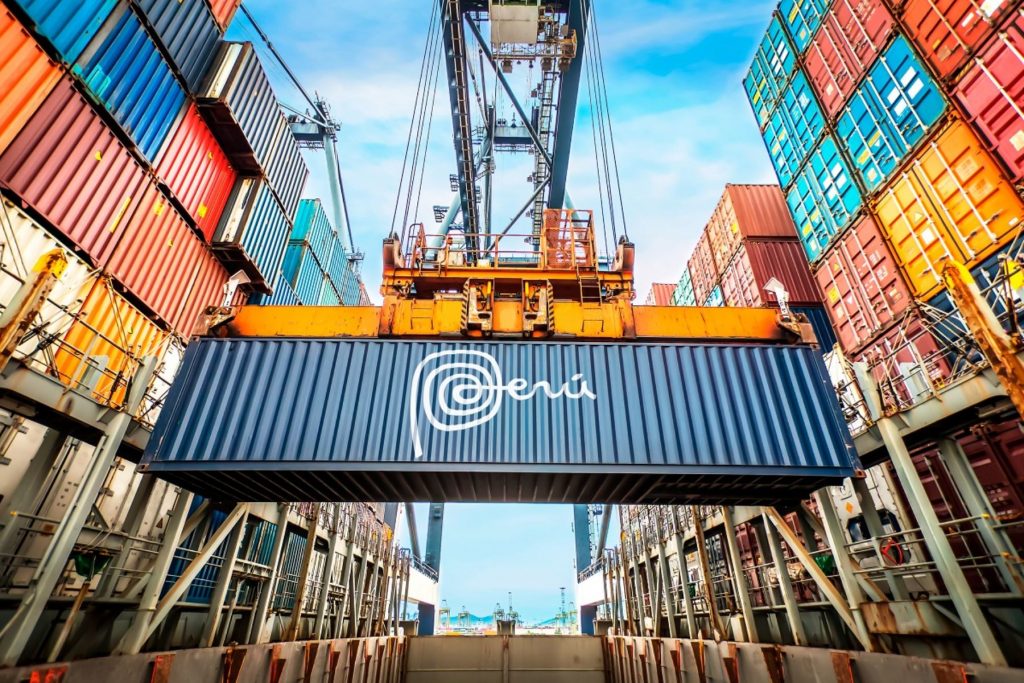
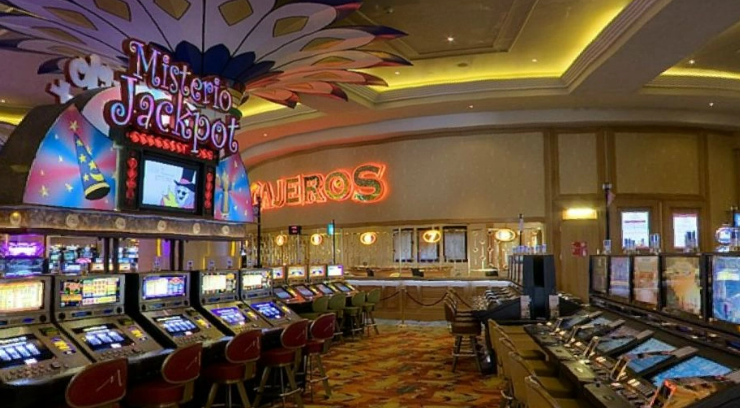
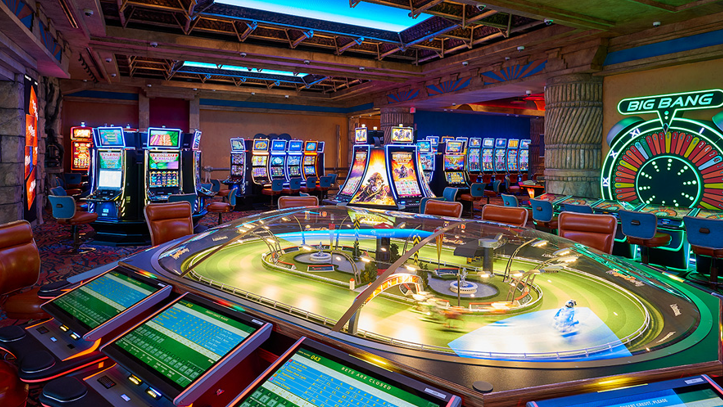
At the same time, Peru’s land-based gaming sector continues to expand. According to an analysis by Tomás Galarza, a specialist at ASAP Comercio Exterior, imports of slot machines classified under tariff code 9504.30.10.00 reached US$7.2 million FOB as of May 28, 2026, compared with US$4.9 million during the same period in 2025. The figure represents 48% growth and places the Peruvian market close to the levels recorded during the strongest post-pandemic years.

Yuri Guerra Padilla
The industry’s competitive structure is also broadening. The number of importers increased from between 9 and 19 operators in 2020 and 2021 to 33 in 2024, 39 in 2025, and 22 active companies during the first five months of 2026. Used slot machines account for approximately 18% of imported units this year, reflecting a combination of technological upgrades and inventory replacement.

All of this growth is taking place under the supervision of Mincetur, through the Directorate General for Casino Games and Slot Machines (DGJCMT), led by Yuri Guerra Padilla, the authority responsible for regulating and supervising casinos, slot machines and sports betting in Peru. The result is a market that is simultaneously expanding its distribution channels, strengthening competition and maintaining investment momentum during one of the most dynamic periods for Peru’s gaming industry.