









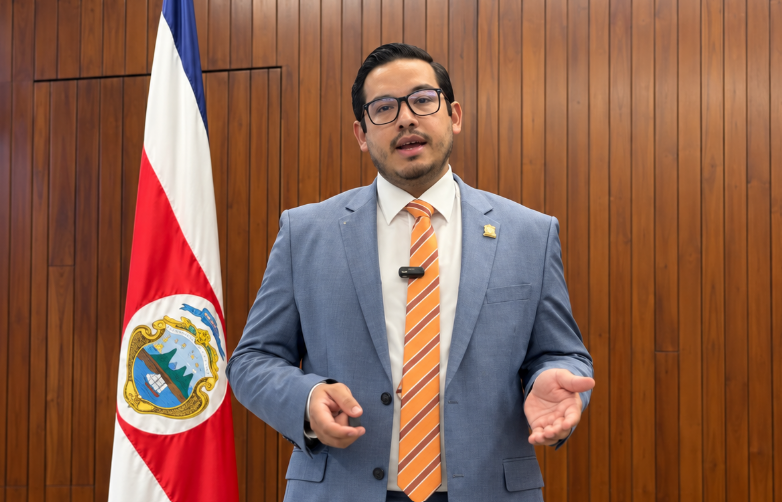

Uruguay’s casino industry moved on September 2, 2026 to push a new legal framework for online gambling, as the Uruguayan Chamber of Casino Operators and Entertainment Hall Service Providers (CUOASEC) advanced a bill designed to regulate the digital market and reduce illegal activity after the state blocked 1,730 unauthorized gambling and betting websites as of July 29, 2026. The proposal has already been presented to the Ministry of Economy and Finance (MEF) and political leaders, although it still has no formal parliamentary status.

The most visible promoter is Luis Gama, Executive Secretary of CUOASEC and former National Director of Lotteries and Pools. The bill proposes that only companies already authorized to operate land-based casinos should be allowed to enter the online market, while also creating a conditional regime for operators with physical investments under development.

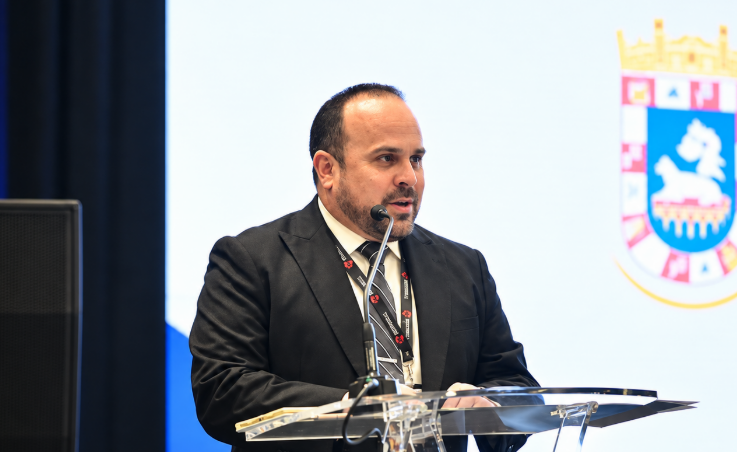
Fernando Estévez Perrone
The proposal includes self-exclusion, underage access controls, transaction traceability, player protection, transparency, state supervision and an exclusive .bet.uy domain to identify legal platforms. It would also create a dedicated fund for gambling-harm prevention and treatment financed by the industry itself.
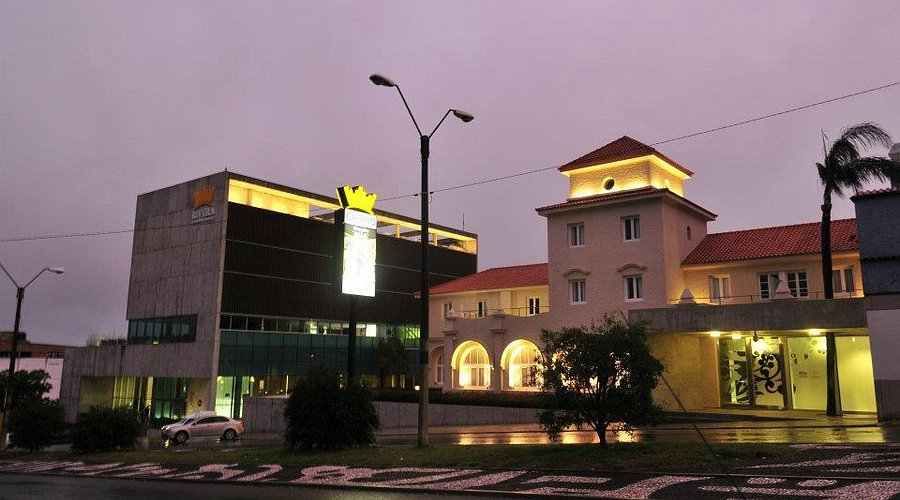
CUOASEC groups operators including Codere, linked to Maroñas and Casino Carrasco; Baluma S.A., associated with Enjoy Punta del Este; Compañía Rioplatense de Hoteles, linked to Radisson Montevideo Victoria Plaza; Manteo S.A., Hotel Casino Rivera; Naranpark S.A., Salto Hotel Casino; and Mirador Campero S.A., Hotel Santa Cristina. The chamber says its members represent more than US$610 million in accumulated investment and around 20,000 direct and indirect jobs.

Gabriel Oddone
Uruguay’s current framework still rests on Law No. 1,595 of 1882, Article 244 of Law No. 19,535 of 2017 and Decree No. 366/017, which allow authorities to block illegal websites, payments, advertising and sponsorships. The National Directorate of Lotteries and Pools, headed by Marcelo Visconti, identifies illegal sites; URSEC transmits blocking orders to ISPs, which have 48 hours to enforce them.

The General Directorate of Casinos, headed by Fernando Estévez Perrone, operates under the MEF, led by Gabriel Oddone. The closest precedent was the bill submitted by the Executive Branch on November 17, 2021, approved by the Senate in August 2022 and later stalled in the Chamber of Deputies.