












Malta will overhaul its gambling tax structure from October 1, 2026, raising the rate applied to Type 1 gaming services from 5% to 15%. This category includes casino games, house-banked games, RNG content and lotteries. The reform was introduced through Legal Notices 84 and 86 of 2026, published on April 1, under the Gaming Act, Cap. 583, the Gaming Tax Regulations, S.L. 583.10, and the VAT Act, Cap. 406.

The new framework removes the previous uniform 5% rate and introduces different tax levels depending on the activity. Type 2, Type 3 and Type 4 services, including fixed-odds betting, poker, bingo, betting exchanges and controlled skill games, will be taxed at 10%. Controlled gaming premises and lawful junkets will remain at 5%.

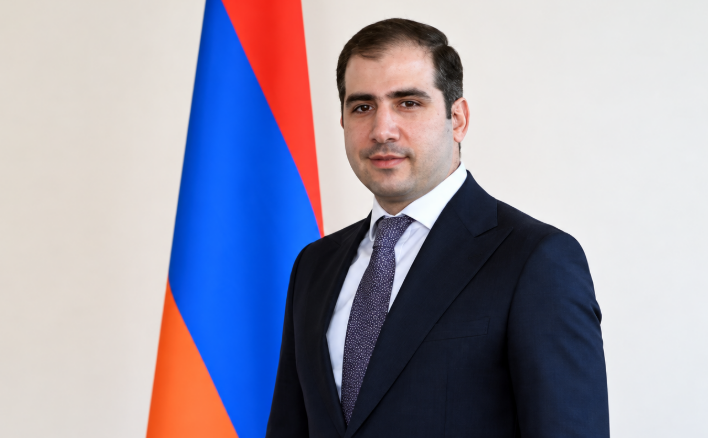
Clyde Caruana
The reform also abolishes the separate gaming device levy, incorporating it into the new tax structure by gaming type. In addition, critical gaming supply providers operating live casino studios will face an annual studio levy of €3,000, up from the previous €500.
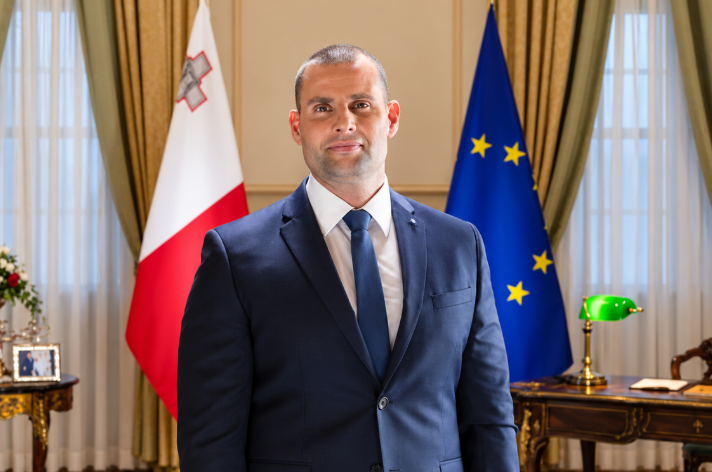
Robert Abela
Oversight falls to the Malta Gaming Authority (MGA), led by CEO Charles Mizzi, alongside Christopher Formosa, Deputy CEO & COO; Martha Brincat, Chief Officer Regulatory; Adrian Muscat, Chief Officer Finance; Kinga Warda, Chief Officer Policy, Research and Insights; and James Baldacchino, General Counsel. Tax implementation is coordinated with the Malta Tax and Customs Administration, while the political lead for the package is Finance Minister Clyde Caruana, with Paul Zahra serving as Permanent Secretary. The Prime Minister is Robert Abela.

The reform also changes the VAT treatment of gambling and redefines which activities remain exempt. Operators will be able to recover certain eligible input VAT costs. The new gaming tax applies to services provided in Malta and does not automatically cover all international revenue generated by the roughly 300 MGA licensees. Operators with mixed business models will have to separate revenue by category; casino activities at 15%, and betting, poker and other Type 2-4 activities at 10%. The package enters into force after roughly six months of regulatory and tax preparation.