














Poland’s legal gambling industry intensified its opposition on September 23, 2026 to a potential European Union tax on online gambling and urged the government to resist any additional fiscal burden unless the EU first harmonizes regulation, market access and enforcement against illegal operators. The dispute comes as Brussels searches for new revenue sources to finance the 2028–2034 EU budget, valued at nearly €2 trillion.

The industry position was signed on September 17 by Adam Lamentowicz, President of the Polish Chamber of Commerce of the Entertainment and Bookmaking Industry; Marek Skrzyński, President of Bukmacherzy Razem; Zdzisław Kostrubała, President of Graj Legalnie; and Grzegorz Stańczuk, President of the Association of Employers of the Entertainment and Gaming Industry. The four organizations argue that harmonizing taxes without aligning regulatory rules would strengthen the illegal market.

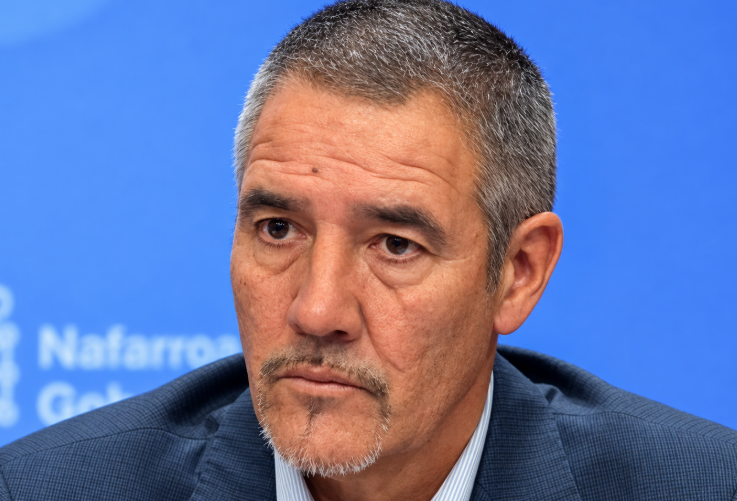
Marek Skrzyński
Their main financial argument is Poland’s existing tax burden. Licensed bookmakers already pay 12% on turnover, a charge that, according to the associations, can exceed 50% of effective GGR. Polish tax rules also apply rates of 2.5% to betting on animal races, 15% to money lotteries, 20% to number games, 25% to bingo, telebingo and tournament poker, and 50% to slots, roulette, dice and certain card games.
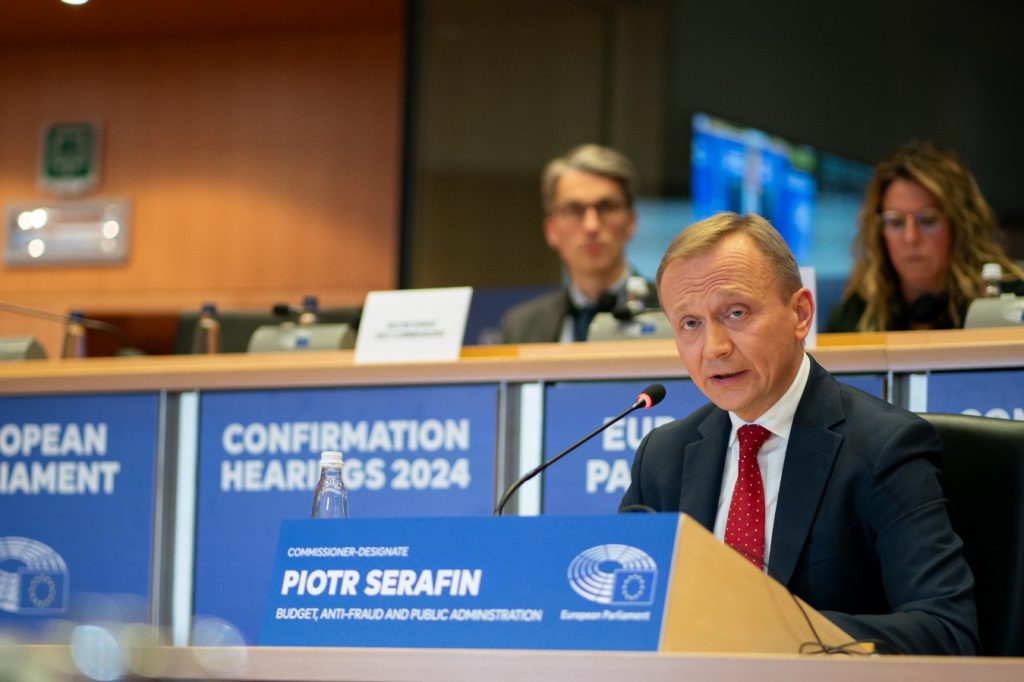
Piotr Serafin
The sector cites estimates from H2G Capital suggesting that illegal operators account for around 20% of online sports betting and 40% of online casino activity. More than 1.5 million Poles are estimated to use unauthorized platforms, generating annual turnover of around PLN74 billion, while deposits to illegal operators reached approximately PLN15 billion in 2025.

The dispute gained political weight after Prime Minister Donald Tusk backed consideration of new European funding sources. In Brussels, Piotr Serafin, European Commissioner for Budget, Anti-Fraud and Public Administration, oversees the next financial framework. Poland’s legal industry is demanding that any tax debate be accompanied by common market-access rules, consumer protection standards, responsible gambling requirements, stronger blocking tools against illegal operators and deeper cooperation between national regulators.