

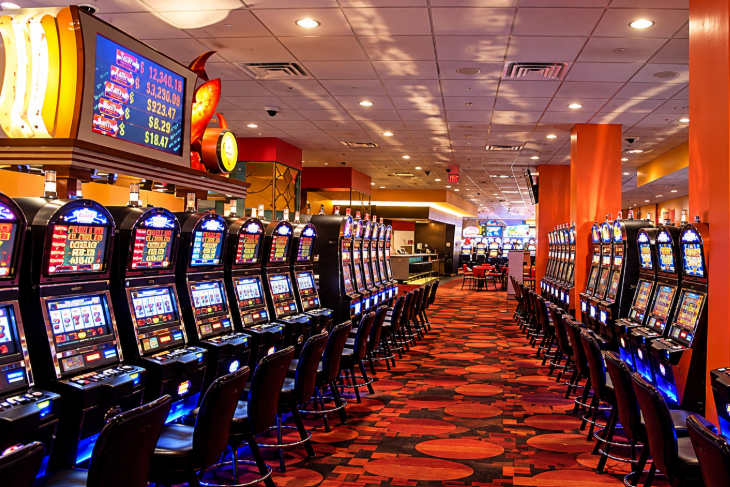
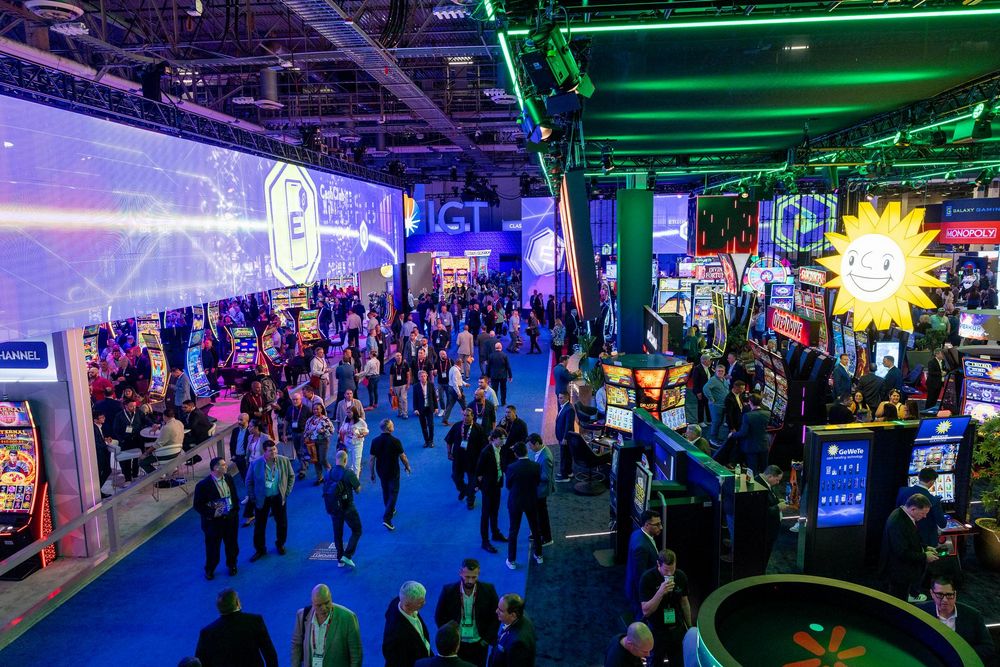


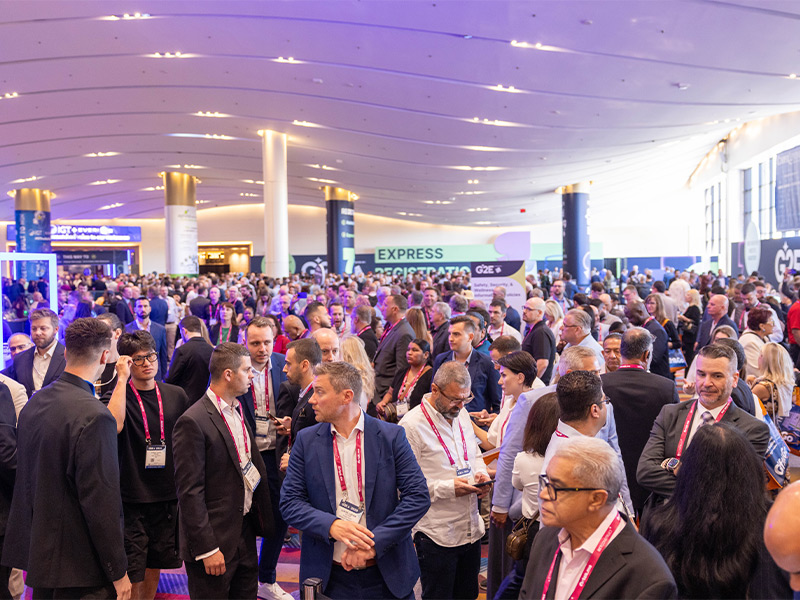
Las Vegas closed G2E 2026 on October 1 with an edition dominated by artificial intelligence, prediction markets, sports-betting integrity, cashless payments and responsible gaming. The event ran from September 28 to October 1 at The Venetian Expo, bringing together more than 25,000 professionals, 400 exhibitors, 120 countries, regions and territories, and over 100 educational sessions, organized by RX and presented by the American Gaming Association (AGA).

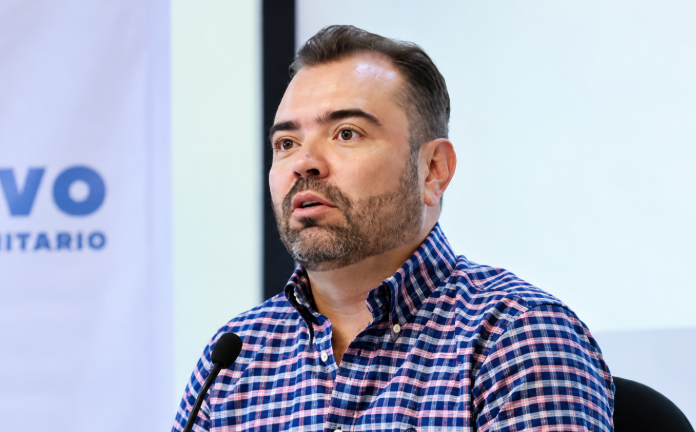
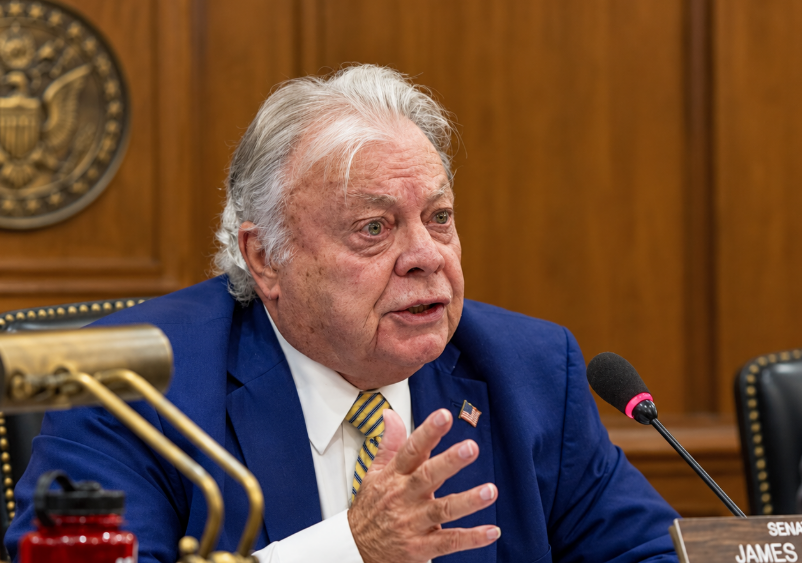
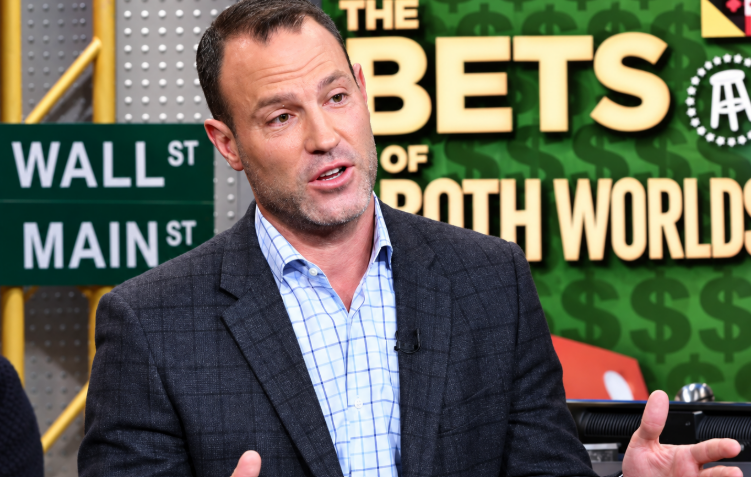
The sharpest regulatory debate centered on prediction markets. On the Main Stage, Craig Billings, CEO of Wynn Resorts; Bill Hornbuckle, President & CEO of MGM Resorts; and Tom Reeg, CEO of Caesars Entertainment, joined a discussion moderated by CNBC’s Contessa Brewer. Earlier, Bill Miller, President & CEO of the AGA, defended an industry that he said supports 1.8 million jobs, $53 billion in taxes and $329 billion in economic impact, while criticizing the expansion of sports contracts outside the traditional gambling regulatory framework.


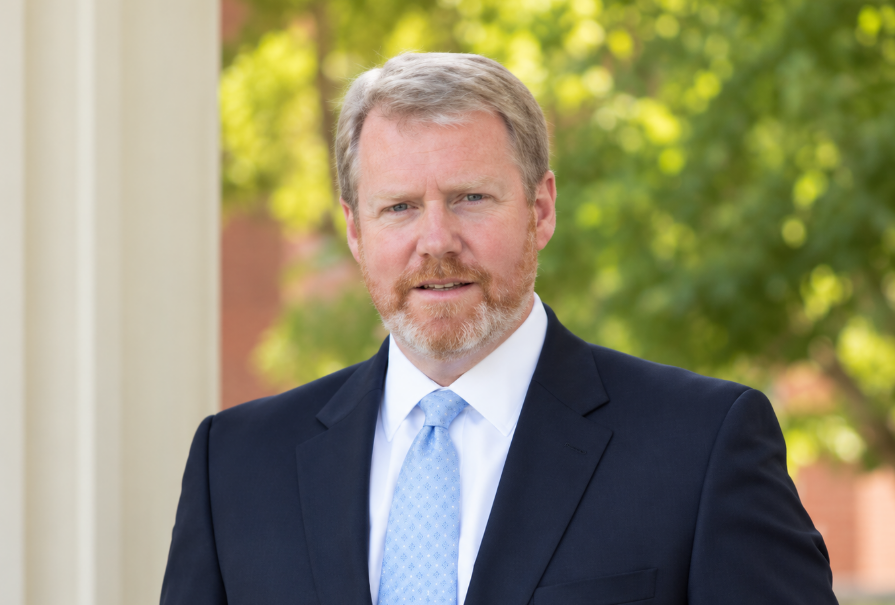
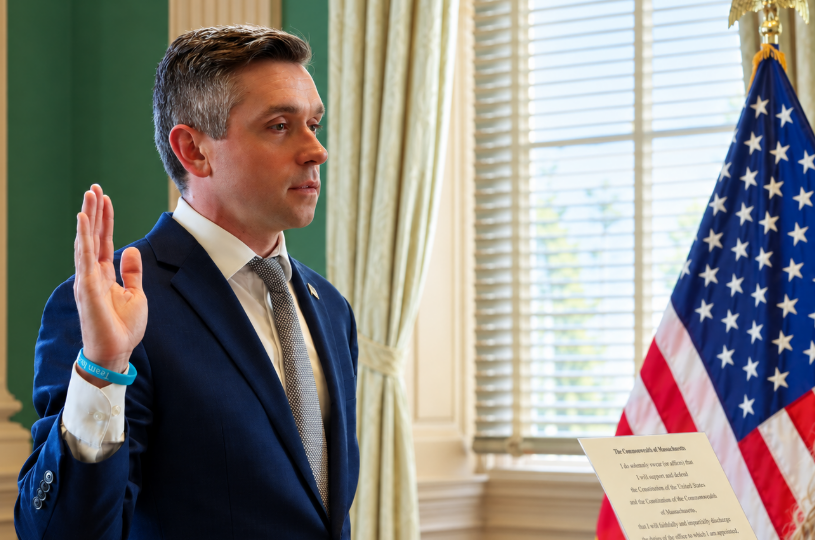
Sports-betting integrity also drew strong attention. Louis Rogacki, Assistant Attorney General of New Jersey; Sarah Brennan, VP Compliance at BetMGM; and Keith Perschetz, Director of Global Sports Betting at the NFL, called for deeper coordination among operators, leagues, regulators and law enforcement. Perschetz said the NFL educates around 2,000 players every year, in addition to coaches and officials, and backed permanent exclusions for bettors who threaten participants.

AI moved directly into the operational debate. In “How AI is Transforming Sports Integrity and Match Fixing,” Susan Bala, Kenny White, Tim Tenpas and Dean Sloves discussed anomaly detection and suspicious wagering. Bala put the U.S. sports-betting market at $168 billion, compared with $6.6 billion in 2018, while ACT said it monitors hundreds of sportsbooks and prediction markets.

On payments, Tom McDonald, Kaleigh Thompson, Charlie Skinner and Rose Zwirn agreed that cashless gaming is still advancing slowly because of costs and interoperability. McDonald highlighted the use of point-of-sale debit and TITO at Choctaw to reduce cash on the casino floor. Responsible gaming also had a major presence; AGEM, AGA and JCM Global presented $185,000 to the ICRG, making total contributions since 1999 to $3.2 million.