








Washington, October 28, 2026. The Commodity Futures Trading Commission (CFTC) has sued the state of Utah to prevent it from applying state gambling laws to federally registered prediction markets, escalating a regulatory dispute involving ten U.S. states and platforms such as Kalshi.

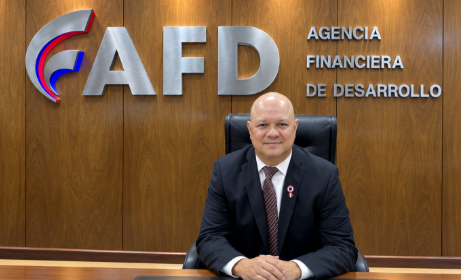
The lawsuit was filed on October 26 in the U.S. District Court for the District of Utah, case 2:26-cv-01055, and announced on October 27 through press release 9315-26. CFTC Chairman Michael S. Selig argues that the Commodity Exchange Act, particularly 7 USC §2(a)(1)(A), grants the agency exclusive jurisdiction over certain derivatives contracts.

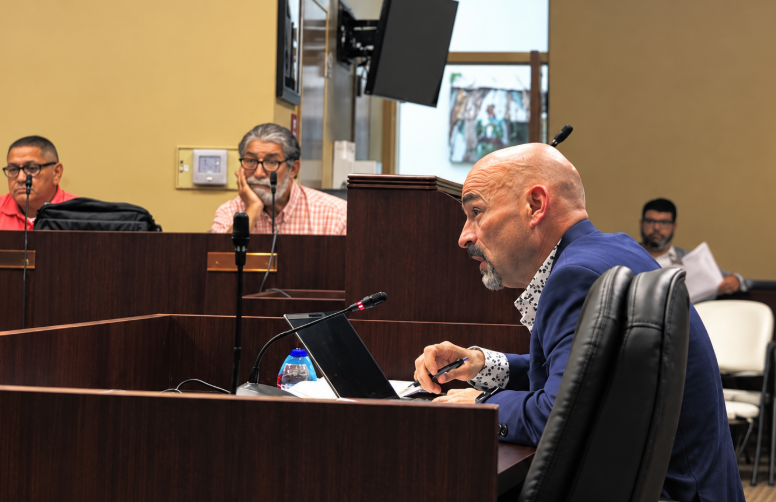
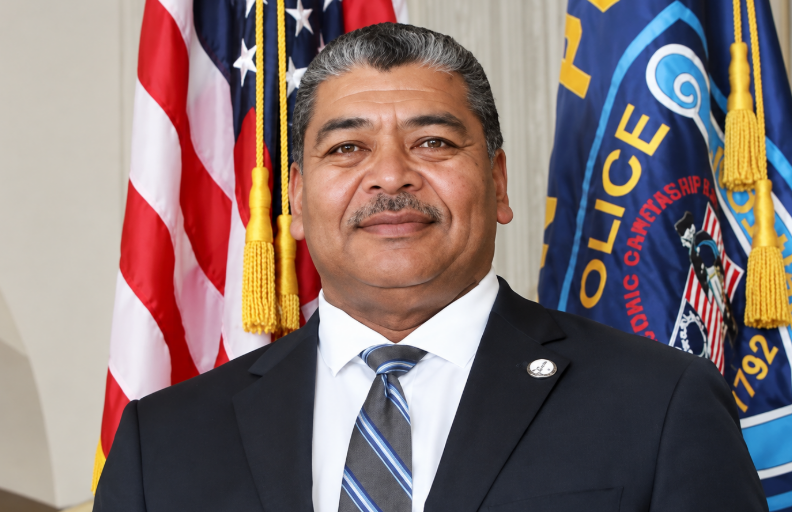
Derek Brown
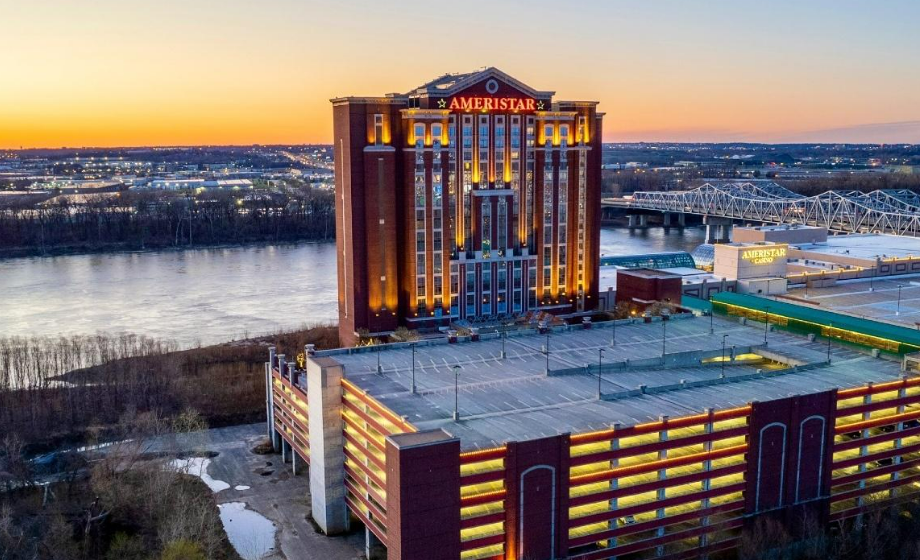
The lawsuit seeks preliminary and permanent injunctions preventing Utah from restricting federally authorized markets through state gambling legislation. The confrontation follows a lawsuit filed on October 20 by Utah Attorney General Derek Brown against Kalshi Inc., KalshiEX, Kalshi Klear, Kalshi Trading, and entities affiliated with Susquehanna International Group, over contracts tied to sports, elections, and political events.
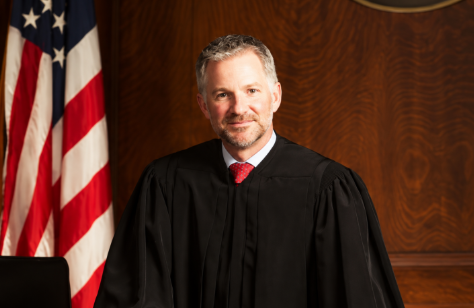
Robert J. Shelby
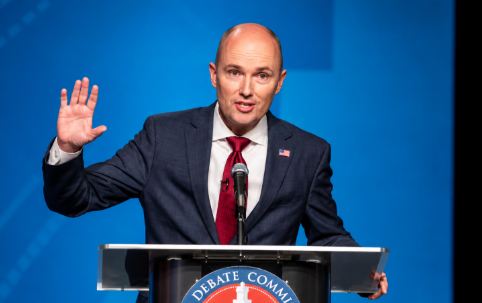
Utah estimates that the platforms generated between US$30.6 million and US$61.2 million in commissions, associated with 32,940 active accounts registered in February. The state also identified US$5.5 million in user losses, figures alleged in court but not yet established by a final judgment. Governor Spencer Cox supports the state's restrictions, while the CFTC maintains that these contracts are financial instruments used for investment, hedging, and forming expectations about future events.

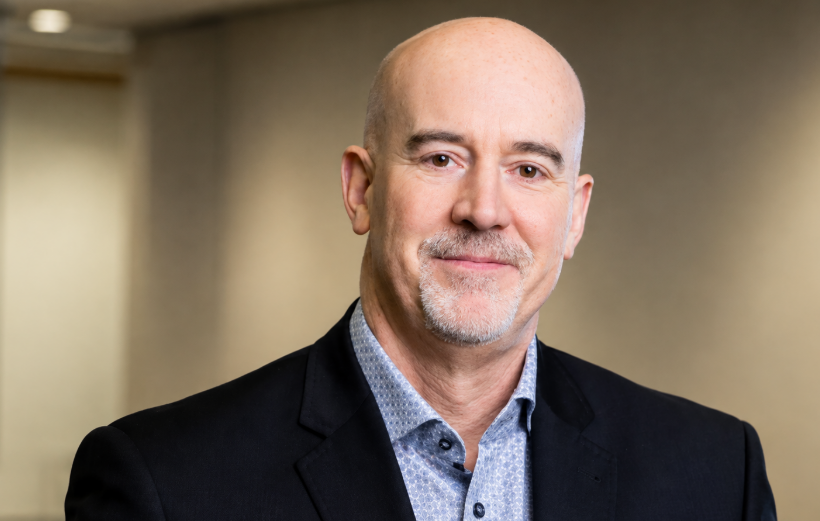
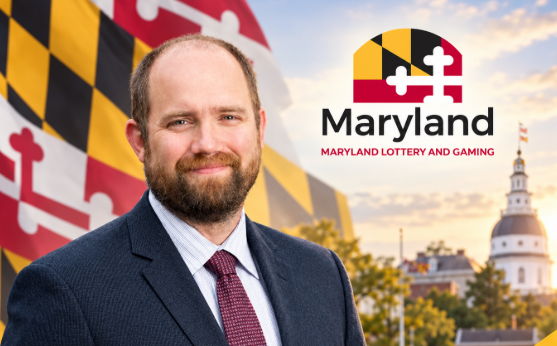
On August 4, federal judge Robert J. Shelby ruled in Utah's favor in an earlier proceeding. Kalshi appealed on August 5 to the U.S. Court of Appeals for the Tenth Circuit, case 26-4100. The CFTC, whose General Counsel is Tyler S. Badgley, is also involved in related proceedings concerning Arizona, Connecticut, Illinois, New York, Wisconsin, Minnesota, Rhode Island, New Mexico, and Kentucky. The regulator is also advancing changes concerning event contracts, with public comments accepted until November 18. The new lawsuit remains pending judicial resolution.