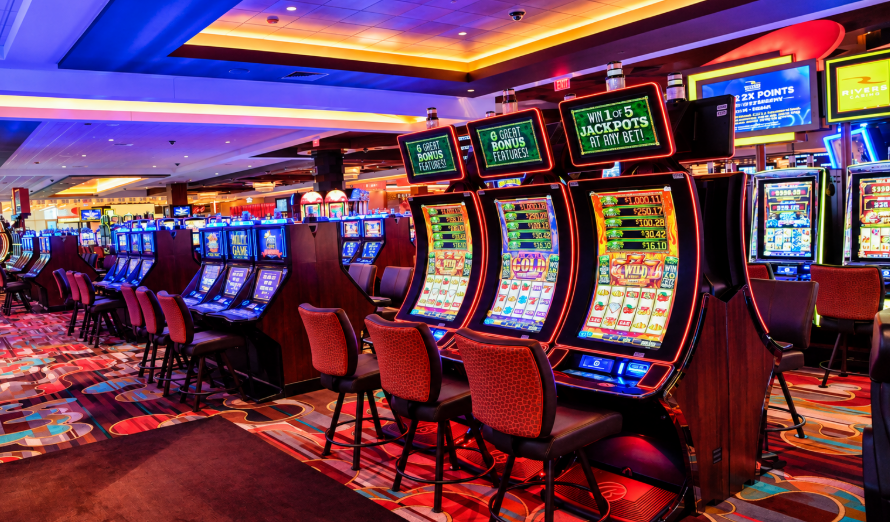







Brazil has just turned its betting market into a case study in regulatory risk.
Fixed-odds sports betting was legalized under Law 13.756 of 2018. Five years later, Law 14.790 of 2023 completed the framework for sports betting and online gaming. Brazil then created the Secretariat of Prizes and Betting — SPA —, the SIGAP system, mandatory .bet.br domains, compliance requirements, anti-money-laundering controls, responsible-gaming rules and SPA/MF Ordinance 827 of 2024, which structured the authorization regime.

From January 2025 onward, only licensed operators could legally offer betting nationwide.
Market entry was not inexpensive. Each authorization cost R$30 million, covered up to three brands and was granted for five years.
Then came Provisional Measure 1.394, dated September 25, 2026.
Its Article 1 prohibited the exploitation, offering, intermediation and advertising of fixed-odds betting throughout Brazil, including both sports betting and online gaming. Article 4 ordered the termination of existing authorizations within 30 days and added a particularly significant provision: operators would have no right to reimbursement of licensing fees or compensation from the State.
Decree 13.128/2026 subsequently created an interagency committee to coordinate enforcement of the prohibition.
By October 6, licensed websites had stopped accepting bets. At that point, approximately R$1.325 billion still had to be returned to around 26.5 million bettors.
That is where the regulatory paradox becomes difficult to ignore.
“Only fifteen days before banning the market, the SPA had issued Ordinance 2.750/2026, strengthening mechanisms designed to identify and block payments to illegal betting operators. Brazil had spent years building tools to distinguish authorized companies from offshore and unlicensed operators”.
Weeks later, it eliminated the authorized side of the market.
Illegal demand, of course, did not disappear.
By October 9, the government had identified 20,318 websites and digital channels associated with unlawful betting activity.
Provisional Measure 1.394 must still pass through Congress. It enters urgency status on November 9, while its current deliberation period runs through November 23. Its constitutionality is also being challenged before the Federal Supreme Court through ADI 8024, under Justice Luiz Fux.
Following the reelection of Luiz Inácio Lula da Silva on October 25, the policy adopted by the Executive Branch takes on even greater significance for the immediate future of the sector.

The issue is no longer simply whether betting is socially desirable.
Brazil invited investment, collected licensing fees, certified operators, imposed technological obligations and designed mechanisms to supervise the market — and then fundamentally reversed the policy.
For any regulated industry, that raises a much harder question:
What is a five-year government authorization worth when the regulatory framework supporting it can disappear in less than two?

German+