




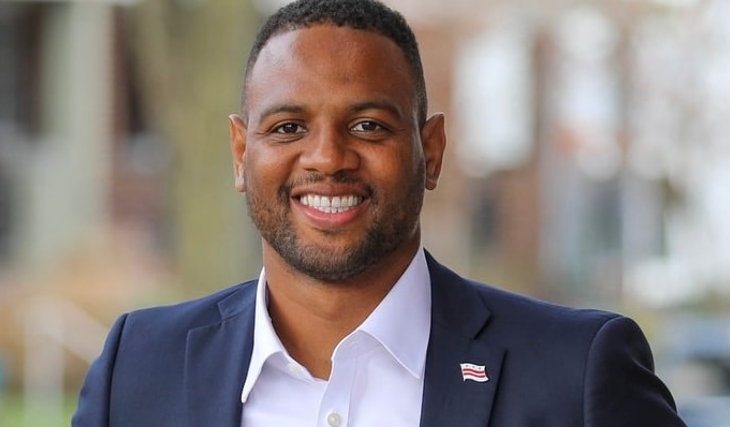
Washington, D.C.’s move to regulate online casino gaming became public on April 13, 2026, following the introduction of bill B26-0656 – Internet Gaming and Consumer Protection Act on April 9, led by Councilmember Wendell Felder, in a bid to capture a market currently operating outside regulatory control.

The proposal amends the District’s foundational gambling law (D.C. Law 3-172 of 1981) to establish a legal framework for full iGaming, including slots, poker, blackjack, roulette, and live dealer games, under the supervision of the Office of Lottery and Gaming (OLG), led by Randy Burnside and reporting to Chief Financial Officer Glen Lee. Unlike other U.S. jurisdictions, the model does not require land-based casinos—Washington, D.C. has none, and the bill does not authorize any.
The framework introduces a 25% tax on adjusted gross revenue (AGR), $2 million operator licenses valid for five years, and strict compliance requirements, including identity verification, geolocation, responsible gambling measures, and financial controls. It also mandates that the first $500,000 in monthly revenue be allocated to addiction treatment and public health programs.
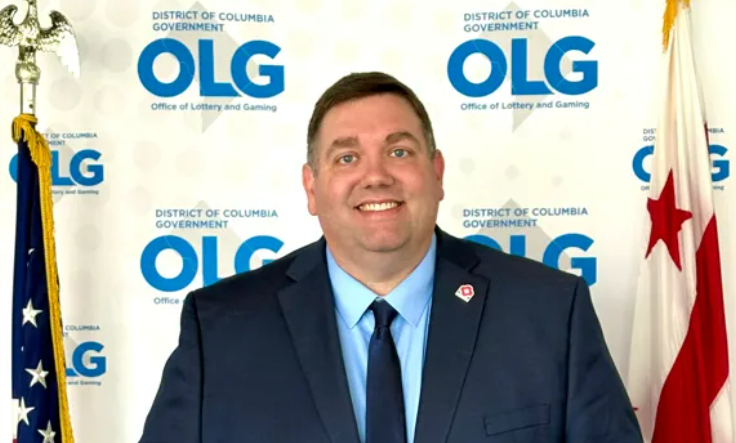
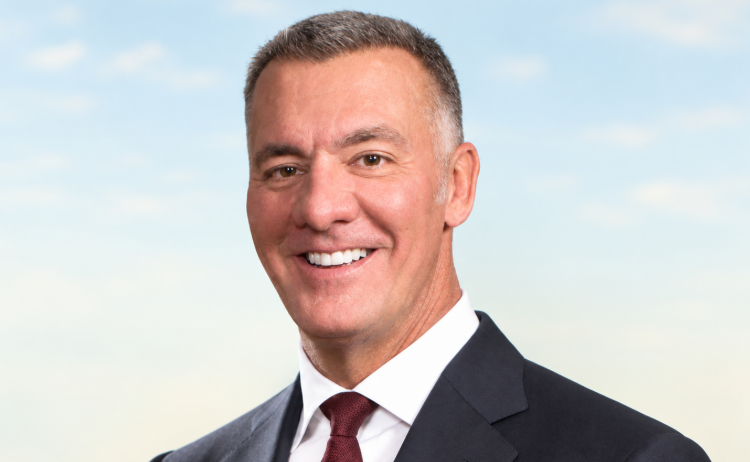
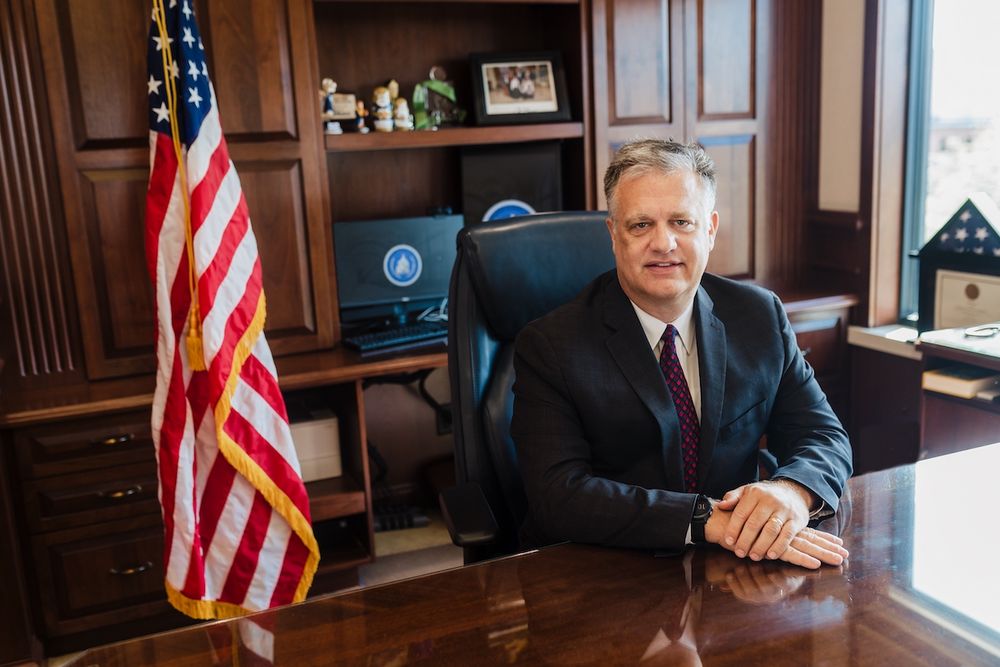
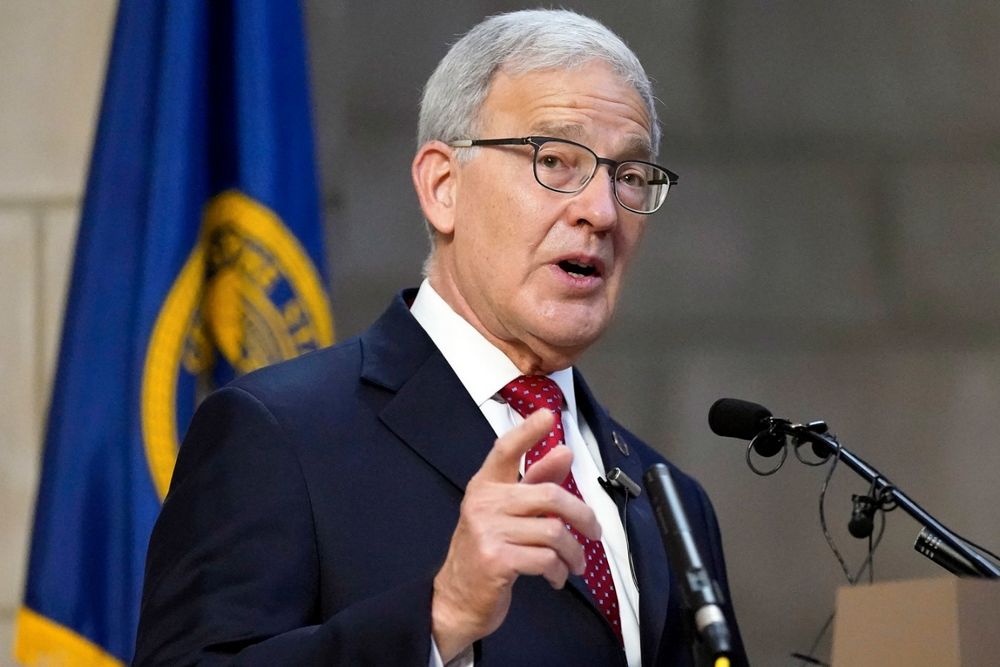
Randy Burnside
A central pillar of the bill is the prohibition of sweepstakes casinos and dual-currency models, with penalties of up to $500,000 per violation, alongside cease-and-desist powers and enforcement actions through the Attorney General.
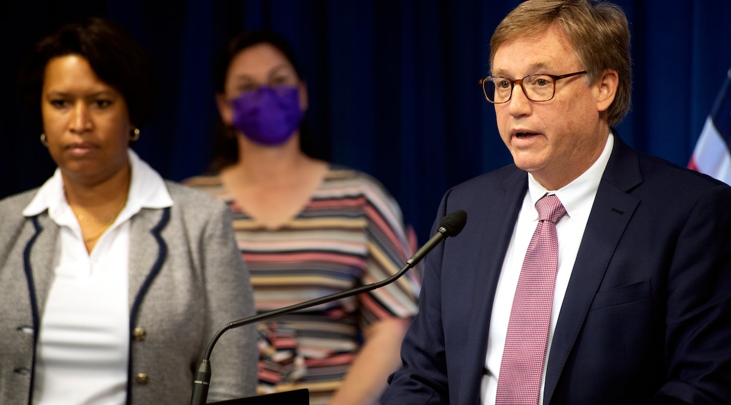
Chief Financial Officer Glen Lee
Market data supports the push. In FY2025, Washington, D.C.’s sports betting sector generated $801.9 million in handle, $84.3 million in GGR, and $19.39 million in tax revenue, with 96% of activity online. However, Felder estimates that residents wagered approximately $700 million on unregulated platforms in 2024, highlighting a significant offshore market.
The bill remains in early stages and, if passed, would require up to 180 days before launch. It does not alter lottery or sports betting frameworks but fundamentally reshapes the digital gaming landscape.
The proposal positions Washington, D.C. as a unique U.S. model: iGaming without physical casinos, focused on capturing revenue, strengthening oversight, and shifting activity from the unregulated market into a controlled environment.