











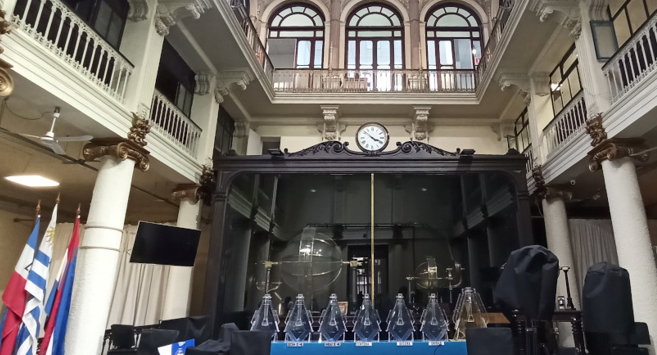
Uruguay consolidates as of April 28, 2026, the overhaul of its National Lottery, a strategy launched on March 1, 2026, by the National Directorate of Lotteries and Pools (DNLQ) that combines higher prize payouts, new formats and digital oversight, strengthening public revenue and modernizing one of the region’s most traditional systems.

The redesign expands the structure to more than 15,000 prizes per draw, with full tickets priced at approximately US$38, fractional tickets from about US$4, and a top prize of around US$380,000. The update introduces payouts for one- and two-digit matches, widening the base of winners, and adds a cumulative extra prize starting at approximately US$6,300, increasing if not awarded. The annual calendar is also expanded with the Winter Jackpot in July and the return of La Grande in August, reinforcing product rotation and commercial appeal.
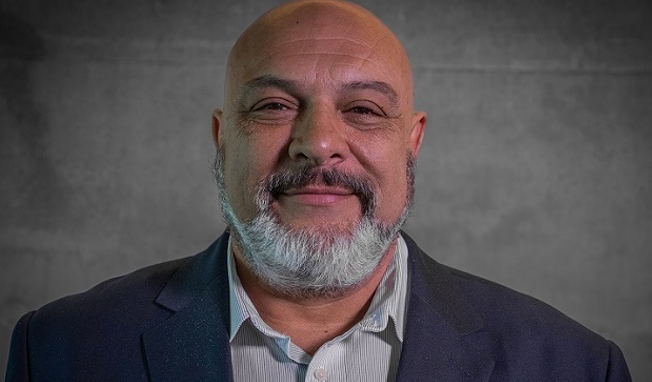
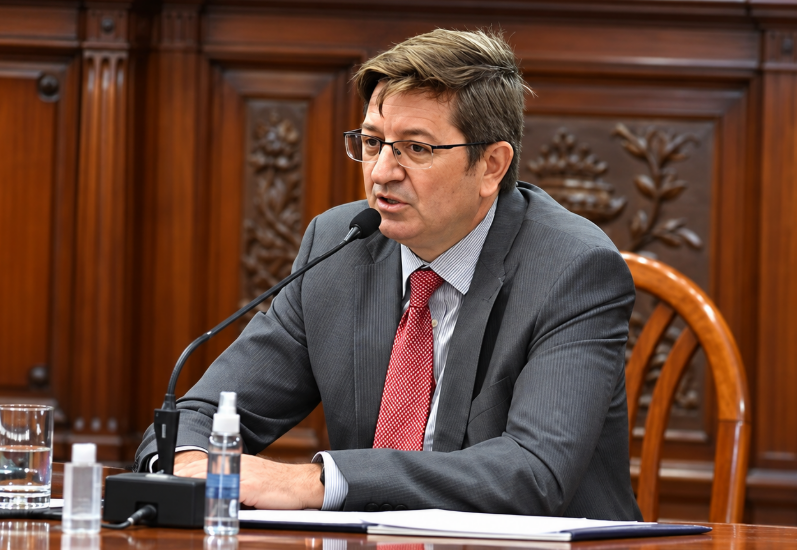
Marcelo Visconti
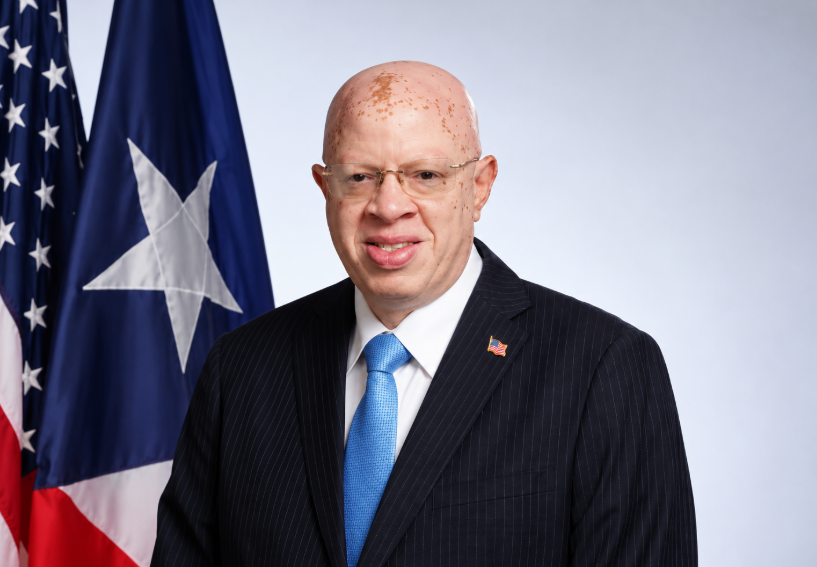
Operations are managed by the DNLQ, led by Marcelo Visconti, under the Ministry of Economy and Finance (MEF), headed by Gabriel Oddone París. The legal framework is based on Decree-Law No. 14,808 (1978), Decree-Law No. 14,841 (1978), Decree No. 290/1977, and Decree-Law No. 15,716 (1985), which define the state monopoly over gambling and its social function.

Gabriel Oddone París
Wagers under DNLQ grew from approximately US$576.1 million in 2023 to about US$719.2 million in 2025, while contributions to public beneficiaries exceeded US$4.7 million in the latest year, funding sectors such as healthcare, sports, child protection and social security, including INAU, BPS and AUF.

Resolution No. 016/2026 launched on February 1, 2026, a 180-day pilot to oversee prize payments through encrypted networks, while agreements with Meta and URSEC have enabled the blocking of 1,620 illegal sites and dozens of fraudulent accounts. With 9 out of 10 Uruguayans participating monthly, the country is advancing toward a more profitable, digital and controlled model, where growth is driven by higher prize attractiveness, stronger traceability and expanded commercialization under strict state supervision.