




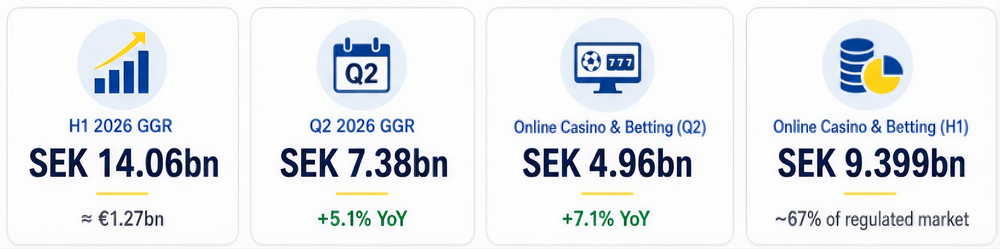
Sweden closed the first half of 2026 with more than SEK14.06 billion in GGR, approximately €1.27 billion, after the Swedish Gambling Authority (Spelinspektionen) released its second-quarter figures on August 26, 2026. Licensed operators generated SEK7.38 billion in Q2, up 5.1% year on year.

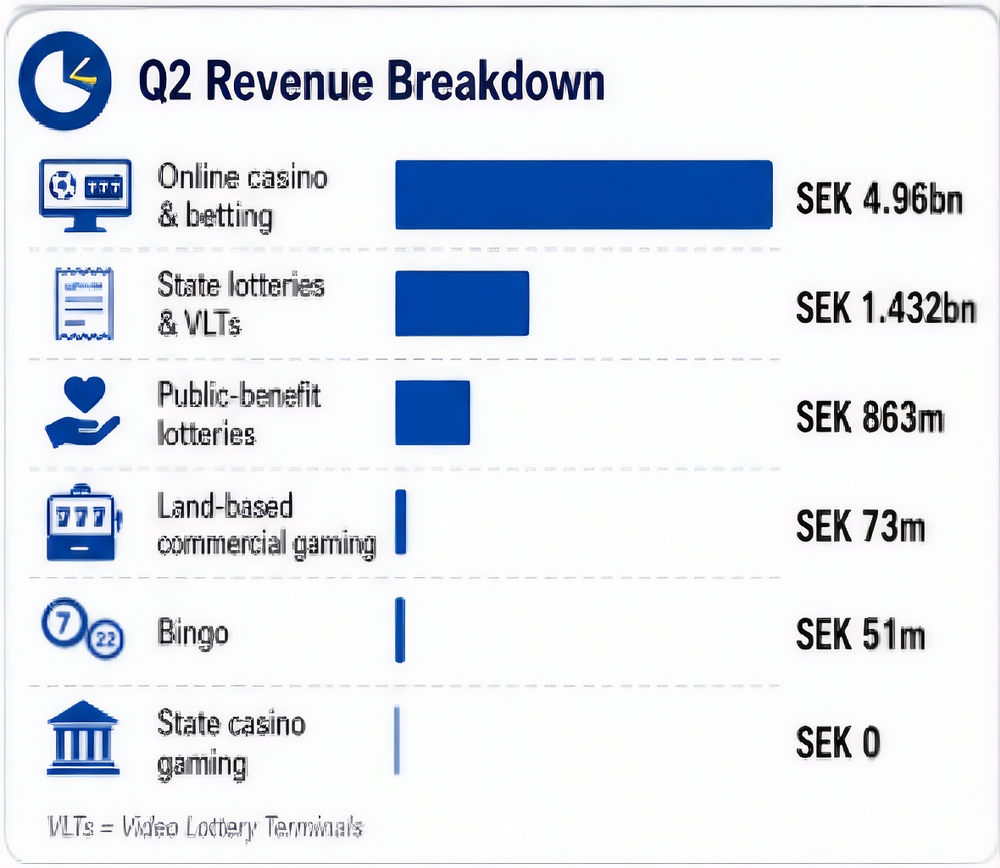
The main driver was online casino and betting, which generated SEK4.96 billion in Q2, compared with SEK4.632 billion a year earlier, representing growth of around 7.1%. Across the full first half, this vertical accumulated SEK9.399 billion, equivalent to roughly 67% of Sweden’s regulated gambling market.
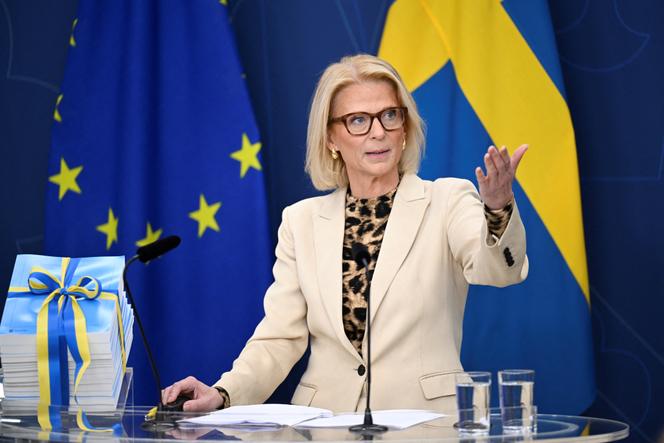
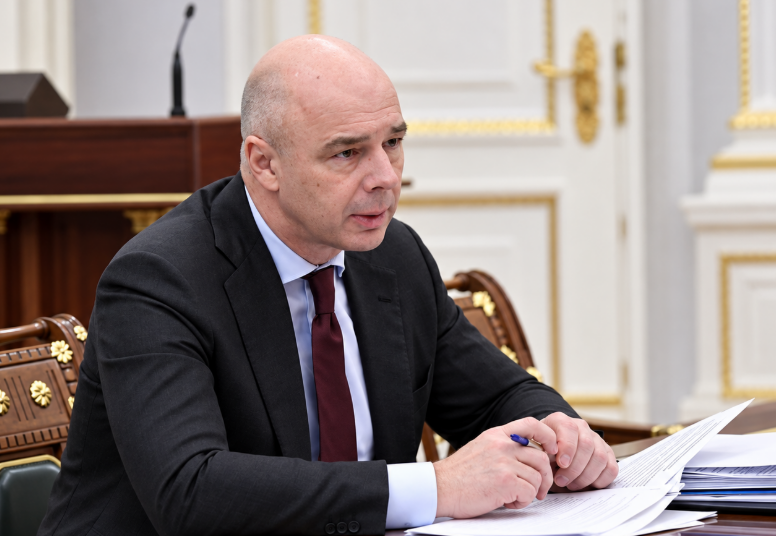
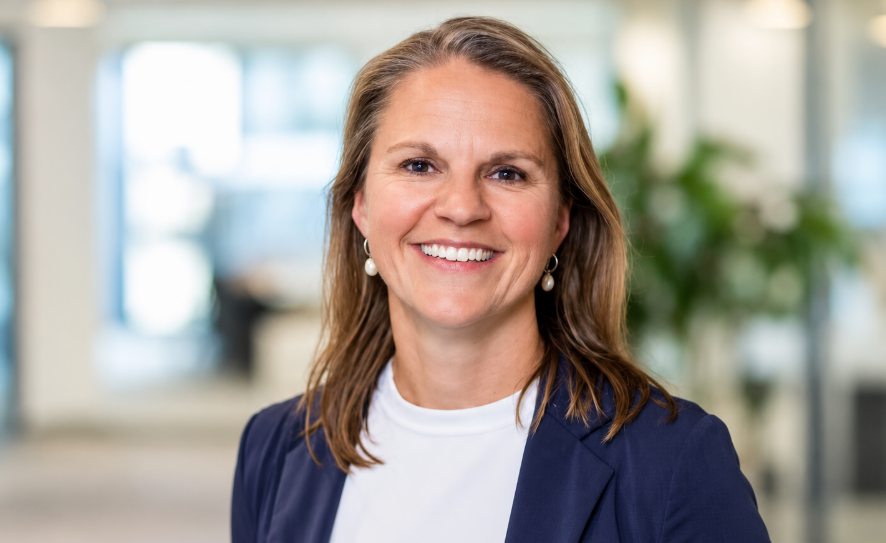
Elisabeth Svantesson
The Q2 breakdown also included SEK1.432 billion from state lotteries and VLTs, SEK863 million from public-benefit lotteries, SEK51 million from bingo, SEK73 million from land-based commercial gaming and SEK0 from state casino gaming following the operational disappearance of Casino Cosmopol.
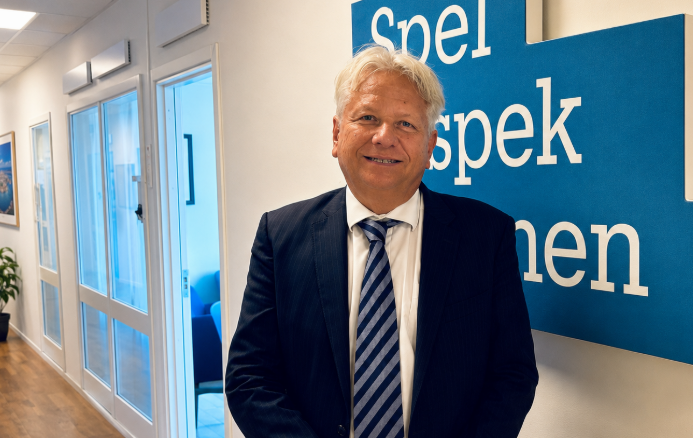
The figures are compiled using tax data from Skatteverket, the Swedish Tax Agency, for taxable operators, while lotteries and public-benefit gaming activities report data directly to Spelinspektionen. The regulator is led by Peter Knutsson, Director General of Spelinspektionen, with Patrik Gustavsson serving as Deputy Director General. Magnus Fahlén, Senior Analyst, is involved in the authority’s statistical monitoring of the market.
Sweden operates under the Gambling Act (2018:1138), in force since January 1, 2019, and the Gambling Tax Act (2018:1139). Taxable operators currently pay a 22% gambling tax on GGR, a rate in effect since July 2024.

Political responsibility for gambling policy falls to Niklas Wykman, Minister for Financial Markets, within the Ministry of Finance headed by Elisabeth Svantesson. By the end of June, almost 138,000 people were registered with Spelpaus.se, Sweden’s national self-exclusion system. From September 1, 2026, SIFS 2026:2 will also take effect, tightening AML obligations for land-based commercial gaming operators.