
















Brazil’s Ministry of Finance, led by Dario Durigan, is studying restrictions on online betting access for individuals and indebted micro-entrepreneurs as part of a new debt relief program. The measure, discussed on March 30, 2026, and published on April 6, 2026, has not yet been approved but signals a regulatory shift with direct impact on the industry.

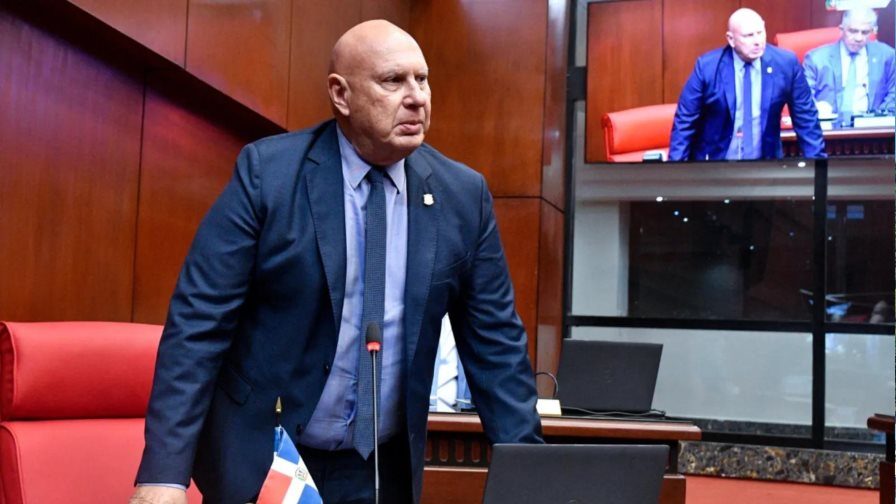
The proposal involves the Secretariat of Prizes and Betting (SPA, gambling regulator) —currently headed on an interim basis by Daniele Correa Cardoso— along with key financial sector players including Febraban, Itaú, ABBC, Zetta, ACREFI and the National Confederation of Financial Institutions.
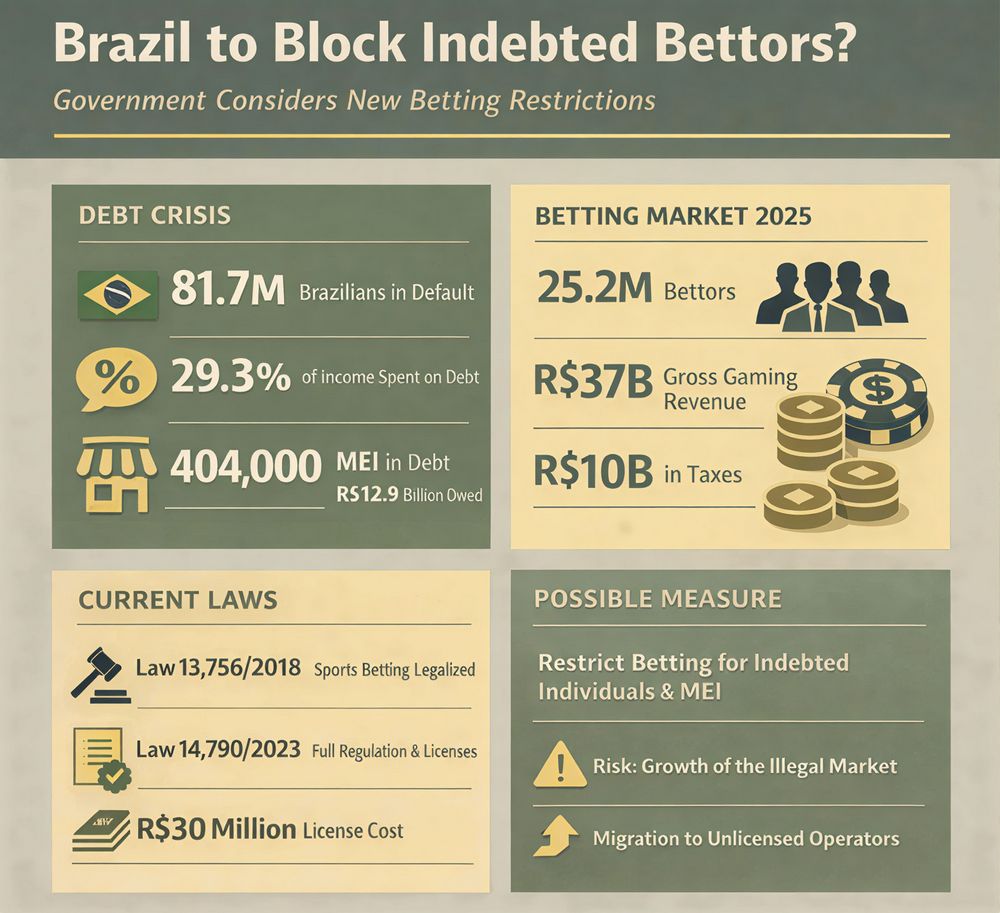
The move aims to address a structural issue: 81.7 million Brazilians are in default, with 29.3% of household income committed to debt payments and credit rates exceeding 435% annually. At the same time, more than 404,000 MEI (Micro empreendedores Individuais) carry debts totaling R$ 12.9 billion.

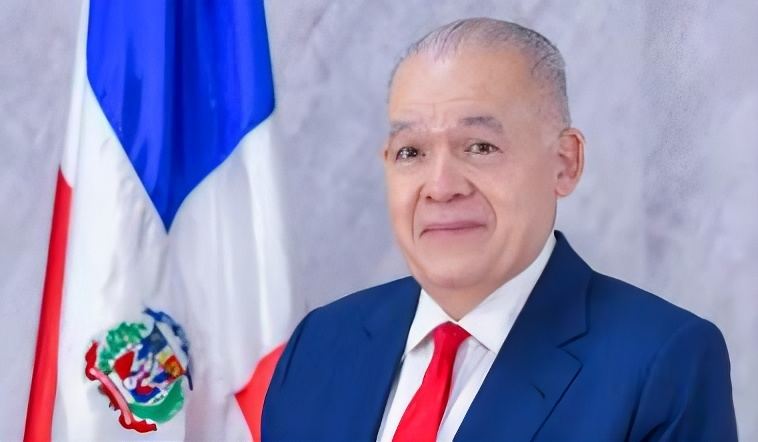
Daniele Correa Cardoso
The measure comes amid rapid expansion of the betting market. Under laws 13.756/2018 (legalizes sports betting) and 14.790/2023 (establishes licensing, taxation, control and operational rules), Brazil consolidated a regulated system as of January 1, 2025, where only licensed operators can legally operate under SPA oversight.
Market size explains the regulatory pressure: in 2025 there were 25.2 million bettors, 79 licensed operators and gross gaming revenue (GGR) of around R$ 37 billion, generating close to R$ 10 billion in taxes. However, the illegal market still accounts for up to 51% of betting activity, with projections reaching 72% in 2026, putting pressure on tax collection and enforcement.
There is precedent: in October 2025, the government already blocked betting access for social welfare beneficiaries through CPF (tax ID) verification.
For industry, the shift is structural. Brazil would move from regulating operators to regulating player profiles, introducing financial criteria for market access. This creates a new risk: a reduced user base within the regulated market and potential migration to illegal operators in a system where enforcement remains incomplete.
What comes next: if approved, Brazil’s betting market will move toward a model of socially conditioned gambling, reshaping the balance between growth, oversight and consumer protection.