






On April 29, 2026, Paraguay confirmed the full execution phase of its gambling market overhaul, driven by Law No. 7438/2025, enacted on January 3, 2025, and operationally implemented from early 2026, reshaping licensing, competition and fiscal control across the sector. The reform amends Law No. 1016/1997 and eliminates the single-operator model, allowing up to three licensees per vertical, while placing regulatory oversight under a more centralized fiscal structure to improve enforcement and tax capture.

The regulator, the Comisión Nacional de Juegos de Azar, is chaired by Carlos Liseras and now operates in coordination with the Dirección Nacional de Ingresos Tributarios led by Óscar Orué, under the Ministerio de Economía y Finanzas headed by Óscar Lovera, within President Santiago Peña’s administration. This integration enables nationwide enforcement, direct fiscal oversight and execution capacity. The framework is reinforced by Decree No. 3846/2025, which authorizes seizures, closures, destruction of illegal equipment and blocking of unlicensed operations, including digital and payment channels.
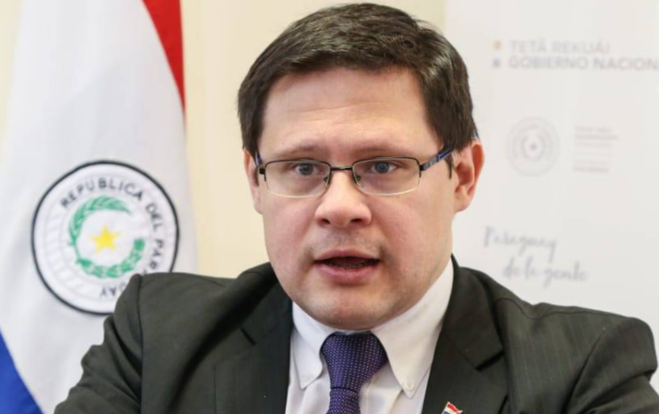
Óscar Orué
In January 2026, Conajzar reported approximately $2.5 million in revenue, up 23.4% year-on-year, while first-quarter collections reached roughly $8.2 million, reflecting accelerated growth following regulatory changes. The total market is estimated to be between $350 million and $550 million in GGR, with a significant share still operating outside the regulated channel, highlighting the importance of enforcement within the new model.
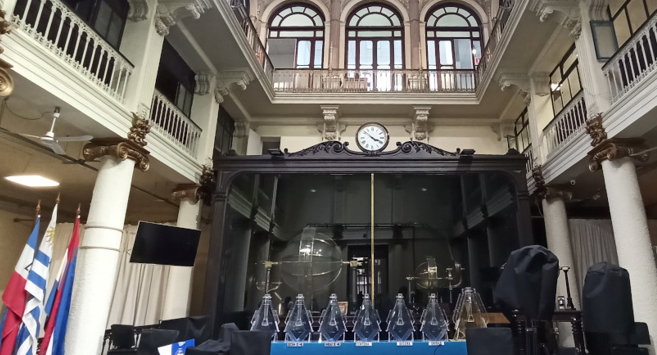
The reform is already visible operationally through the opening of quiniela concessions and the expected restructuring of sports betting licenses before 2028, breaking historical monopolies and enabling new entrants. The updated framework allows the State to capture higher value through licensing fees, improve fiscal distribution, towards social welfare programs, local governments and the national treasury, and expand the taxable base of gambling activity.

Paraguay is transitioning toward a competitive, multi-operator system with centralized supervision, where legality becomes more accessible for operators and more controllable for the State. The result is a stronger regulated market with rising public revenue and a more attractive environment for compliant investment within Latin America’s evolving gambling industry.