














Since April 29, 2026, Chile’s Constitutional Court unblocked the most critical case in the gambling sector by reactivating the collusion trial against Dreams, Enjoy and Marina del Sol, sending the process back to the Tribunal for the Defense of Free Competition (TDLC). The ruling lifted the suspension in place since February 25, 2026, allowing evidentiary hearings to resume in a case that will define how gambling competition is regulated in the country.

The National Economic Prosecutor’s Office (FNE), led in 2026 by Jorge Grunberg, accuses the three operators of coordinating bids in casino licensing tenders held in 2020 and 2021 by the Superintendence of Casinos of Gaming (SCJ), affecting competition in concessions granted for up to 15 years.
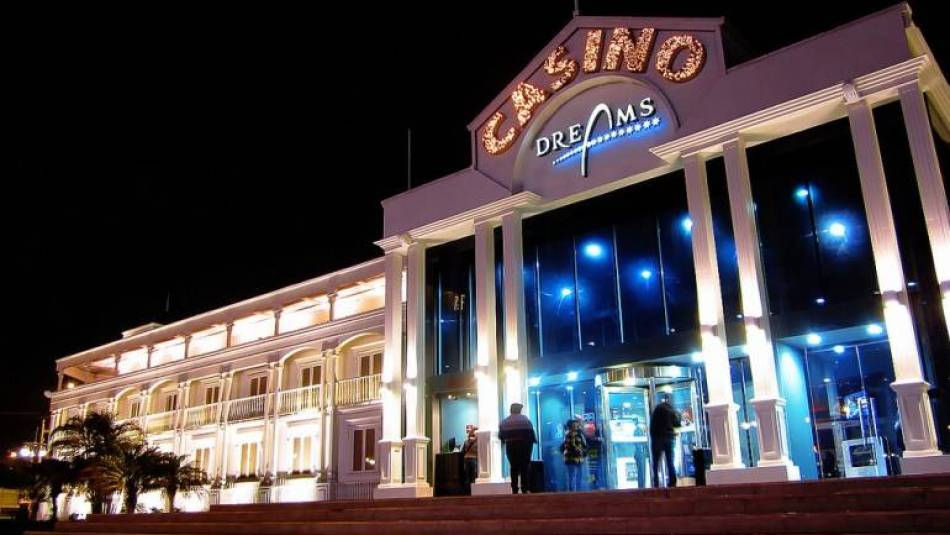

The market is highly concentrated, with approximately 90% of industry revenues controlled by these three companies, and the FNE has requested fines totaling about US$151.9 million, the largest antitrust sanction ever sought in Chile’s gambling sector.

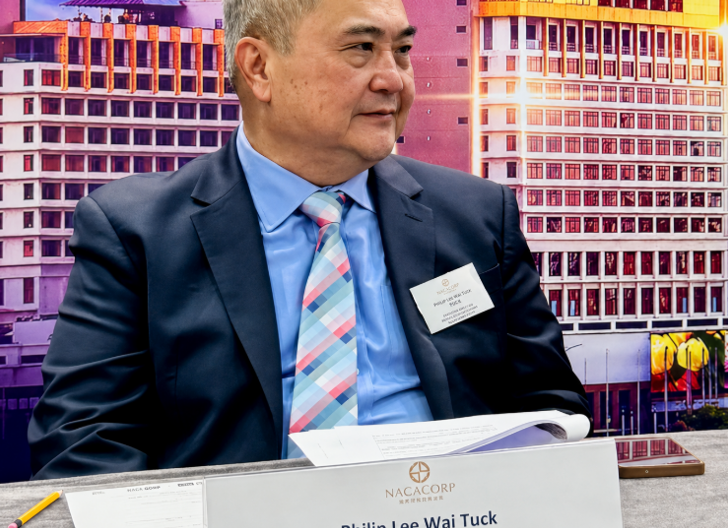
Henry Comber
The executives charged by company are; Dreams; Jaime Wilhelm (CEO), Claudio Fischer (Chairman), Claudio Tessada (CFO); Enjoy; Henry Comber (Chairman); Marina del Sol; executives benefiting from leniency agreements.

Claudio Fischer
The case is based on Decree Law 211, which governs antitrust enforcement in Chile, and Law 19.995, which regulates casino licensing and operations. Under this framework, the SCJ; led by Vivien Villagrán, oversees the concession model under the Ministry of Finance, headed in 2026 by Jorge Quiroz.

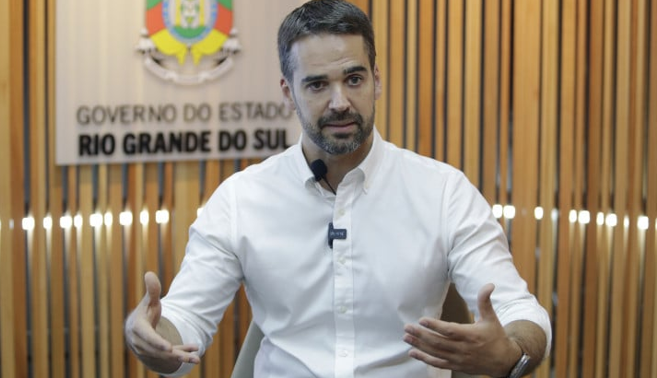
Vivien Villagrán
The Constitutional Court did not rule on the merits but removed the procedural barrier, stating that the issue was one of legal interpretation rather than constitutional conflict. This restores the TDLC as the central authority to determine whether collusion occurred.
Chile is entering a phase of competition re-regulation, where the state aims to ensure open bidding processes, higher fiscal returns and reduced market concentration. If the TDLC confirms collusion, the outcome could include new tenders and a structural reset of the casino market, directly impacting how licenses are awarded, how much operators pay and who controls the sector over the next 15 years.