








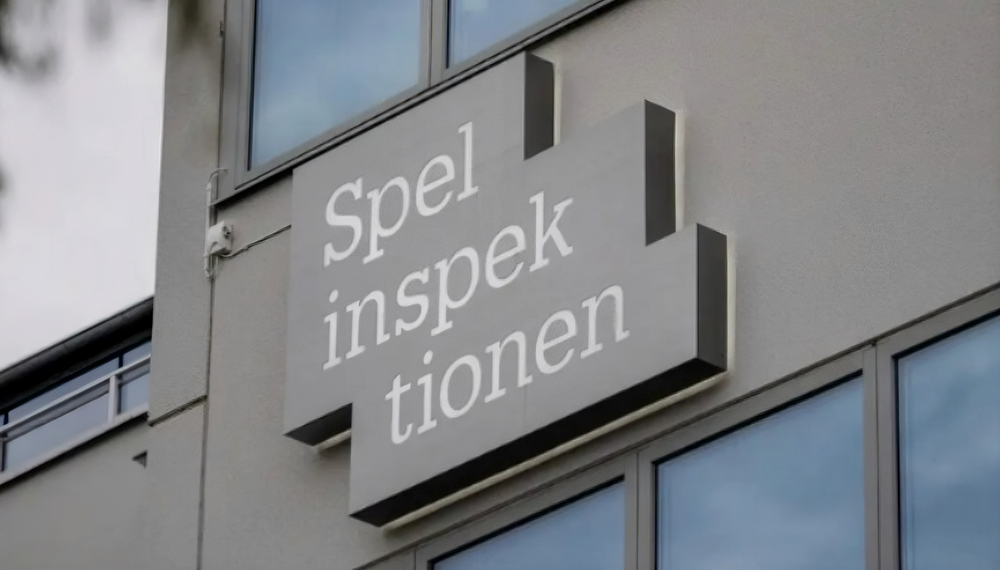



The United Kingdom entered a new phase of gambling regulation this week after the UK Gambling Commission (UKGC), the Department for Culture, Media and Sport (DCMS) and the regulated gaming industry activated coordinated measures against illegal operators, at a time when the offshore market is estimated to be generating approximately USD 20.75 billion annually in unauthorized bets. The regulatory shift comes as Britain continues reshaping its digital gambling framework following the 2023 White Paper “High Stakes: Gambling Reform for the Digital Age,” now considered the foundation of the country’s modern policy for online casinos, sports betting and consumer protection.

First, the UK Gambling Commission (UKGC) officially opened recruitment for a new Head of Illegal Markets, a senior executive role designed to coordinate intelligence, enforcement and strategic responses against offshore gambling operators. The regulator also received approximately USD 32.5 million in additional funding from HM Treasury to strengthen anti-illegal gambling operations. The UKGC is currently overseen by Acting Chief Executive Sarah Gardner and CEO Marcus Boyle following the departure of former CEO Andrew Rhodes in April 2026. At the same time, the British government published the terms of reference for the new Illegal Gambling Taskforce, coordinated through the Department for Culture, Media and Sport (DCMS), led by Secretary of State Lisa Nandy MP. The taskforce brings together regulators, financial institutions, technology platforms and licensed operators to disrupt payments, digital advertising and online access linked to illegal gambling websites.
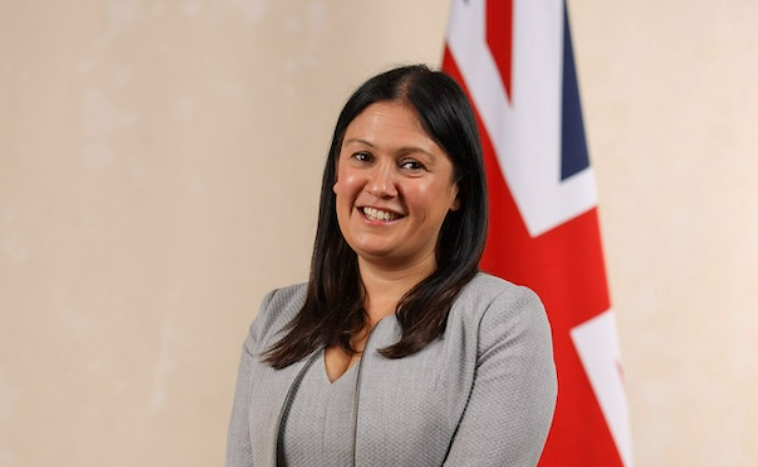
Lisa Nandy
Political pressure intensified after new research from H2 Gambling Capital and Blask showed rapid expansion of the black market. Offshore betting volume increased from approximately USD 6.25 billion in 2019 to nearly USD 20.75 billion in 2025, while the regulated sector’s market share declined from 97% to 92%. WARC estimates that illegal operators already account for almost half of gambling-related digital advertising spending in the UK.
Britain’s legal framework remains based on the Gambling Act 2005, administered by the UKGC under the policy supervision of the DCMS. The system regulates casinos, sports books, bingo, lotteries, gaming machines and remote gambling under three legal principles: preventing crime, ensuring fair gaming and protecting minors and vulnerable individuals. However, the country has entered its most aggressive reform cycle in nearly two decades. Since 2025, online slot stakes have been capped at approximately USD 6.25 per spin for adults and USD 2.50 for players aged 18 to 24. In parallel, the Remote Gaming Duty increased from 21% to 40% in April 2026, while new AML requirements and frictionless financial-risk checks continue expanding across licensed operators.

The UKGC has also intensified digital enforcement efforts, reporting more than 398,000 illegal URLs to search engines, securing the removal of around 267,000, disrupting more than 1,100 websites through takedowns and geo-blocking measures and issuing hundreds of cease-and-desist notices against offshore operators. What comes next for the British gambling market is deeper fiscal pressure, tighter supervision of digital advertising and payments, expanded oversight of online casinos and affiliates and growing scrutiny over the long-term competitiveness of the licensed market.