

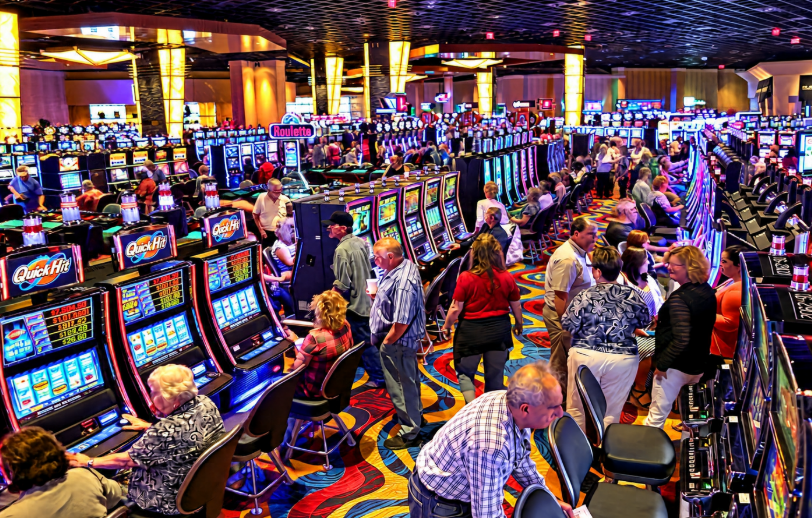

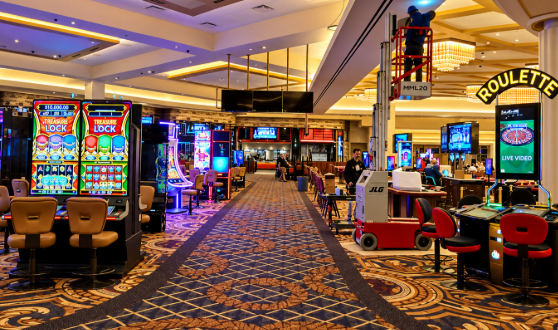

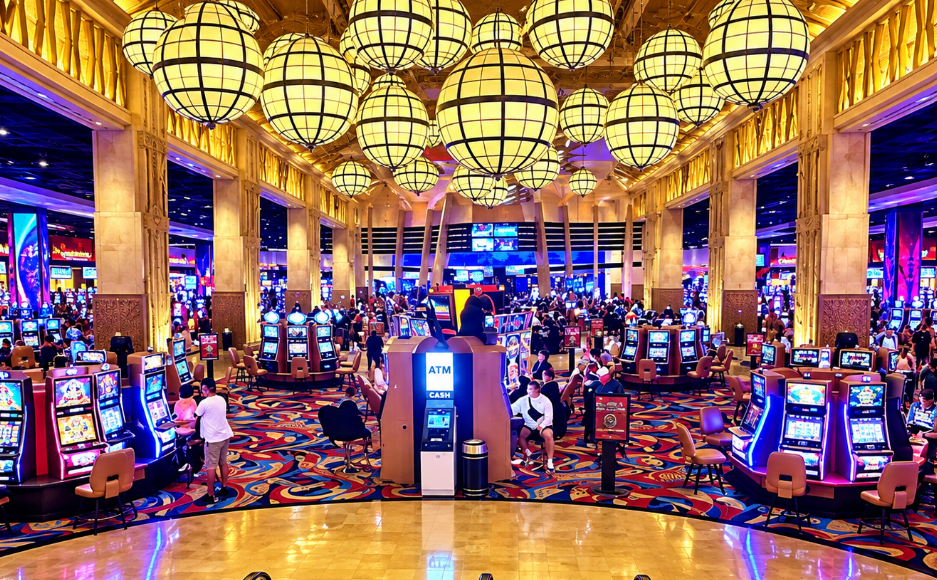

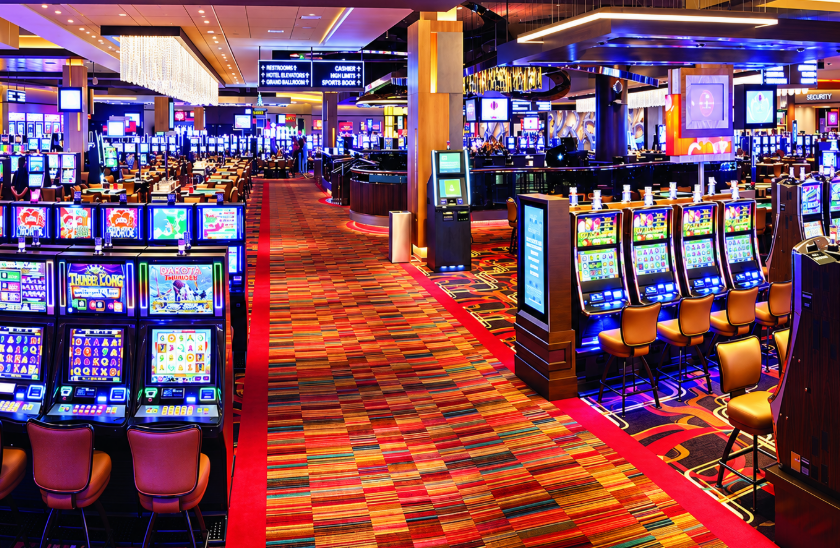
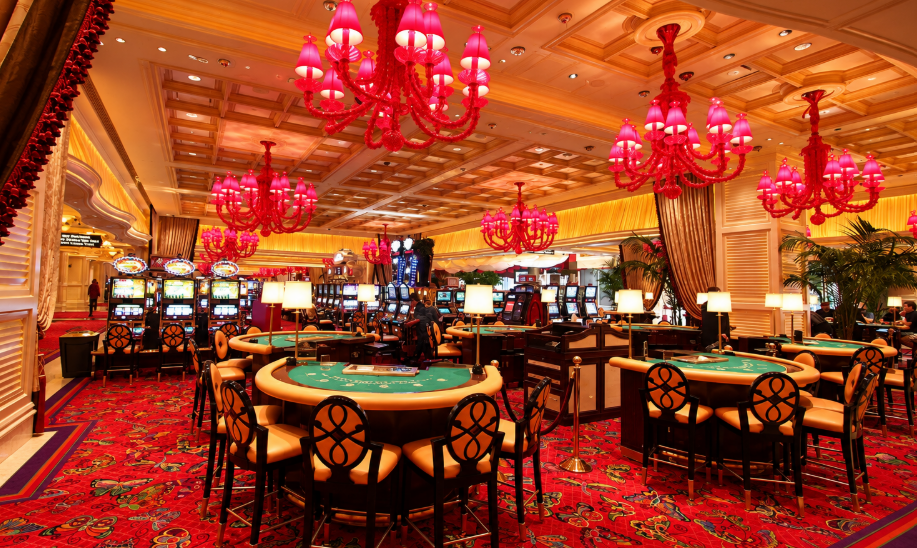

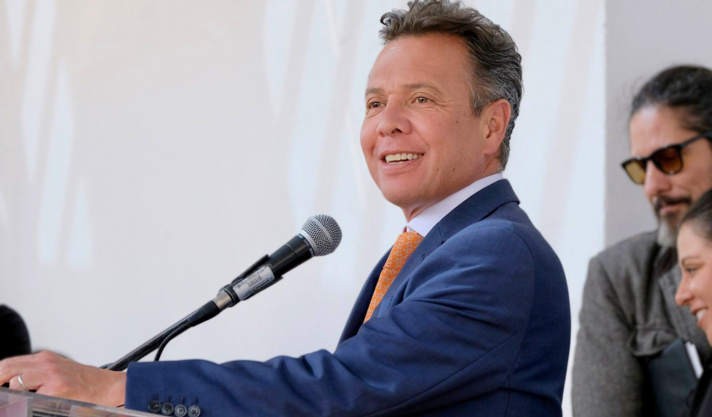
May 13, 2026, Jalisco Governor Pablo Lemus Navarro announced that his administration will send a bill to the state Congress aimed at sanctioning businesses and property owners that allow illegal slot machines to operate, particularly in locations accessible to minors. The initiative places Mexico’s gambling framework back at the center of the regional gaming industry debate as the country continues reshaping its legal and regulatory model for land-based and online gambling ahead of the FIFA World Cup 2026. The move also reinforces the distinction between licensed operators and the illegal market, which authorities link to tax evasion, unregulated cash flows and possible criminal activity.

Mexico’s gambling industry is governed under the 1947 Federal Gaming and Sweepstakes Law, enforced by the General Directorate of Gaming and Sweepstakes under the Ministry of the Interior, currently led by Rosa Icela Rodríguez. In November 2023, the federal government amended the law’s regulations to prohibit new authorizations for slot-machine operations, defining slot machines as devices where users place wagers in exchange for prizes. Federal authorities maintain powers to authorize, supervise, inspect and sanction gambling activities across the country.
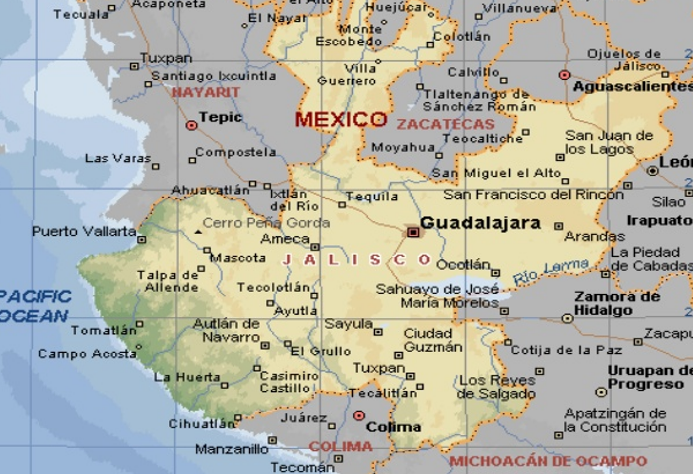
Jalisco’s proposal seeks to strengthen local enforcement against illegal gambling operations that continue appearing in neighborhood stores and informal venues. State authorities have already conducted seizures and inspections in areas such as Guadalajara and Pueblo Quieto while coordinating actions with municipal governments and federal security agencies. The broader regulatory shift has also triggered legal disputes from casino operators challenging portions of the 2023 federal decree, arguing economic and operational impacts on the sector.
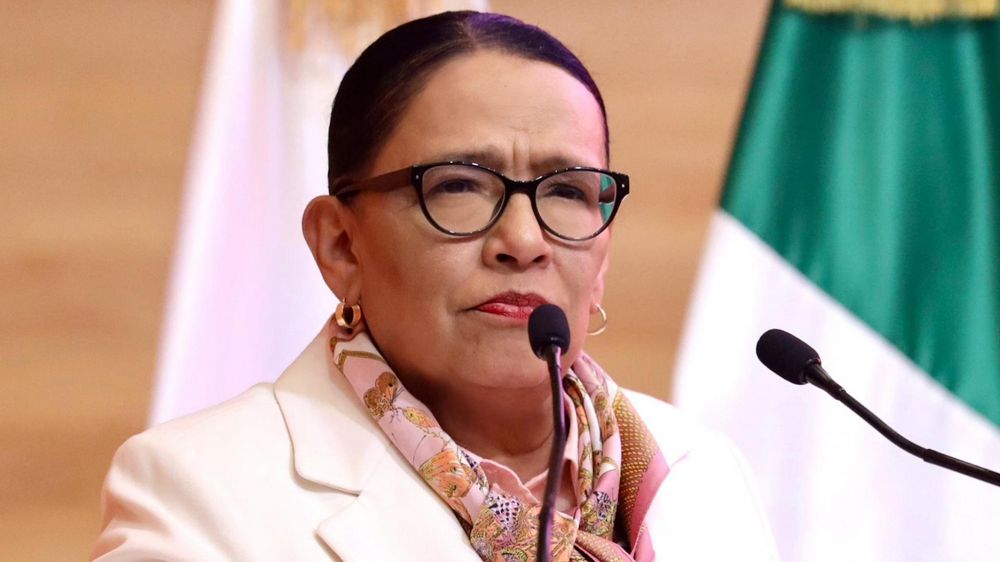
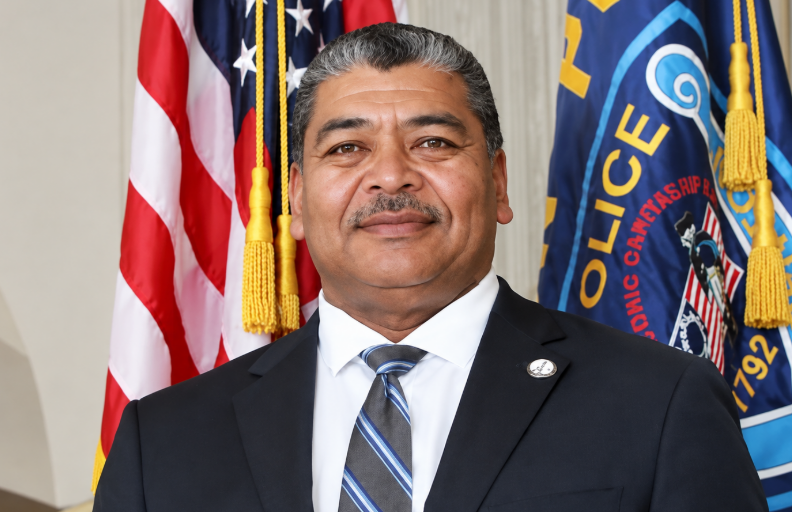
Rosa Icela Rodríguez
Mexico remains one of Latin America’s largest gambling markets. Official Data México figures show more than 5,256 gambling-related business units, with Jalisco ranking among the country’s leading gaming jurisdictions. The sector generated approximately MXN 36.48 billion in revenue and employs around 17,800 workers. In online gaming, private estimates place the Mexican market between USD 2.4 billion and USD 2.5 billion in 2025-2026, driven by sports betting, online casinos and international operator expansion ahead of major global sporting events.

What comes next for Mexico’s gaming sector is a more structured regulatory phase focused on AML/KYC controls, localized enforcement, taxation oversight and a possible broader reform of the Federal Gaming and Sweepstakes Law that could redefine licensing, digital gambling operations and territorial supervision for the legal gaming sector.