












India officially entered a new regulatory phase for prediction markets and online gaming after authorities began enforcing the new Promotion and Regulation of Online Gaming Rules, 2026 on May 1, 2026, a legal framework designed to tighten controls on online money gaming platforms and increase pressure on international operators such as Kalshi and Polymarket.

The central issue is that both platforms continue allowing access and registrations from India despite government warnings and prior blocking efforts. Pressure escalated after the Ministry of Electronics and Information Technology (MeitY) sent notices on April 25, 2026, to VPN providers, warning that Indian users were using those tools to access platforms considered illegal or unauthorized under the new framework.

The new rules operationalize the Promotion and Regulation of Online Gaming Act, 2025, establishing a national structure to classify online games, prohibit certain real-money gaming activities and coordinate enforcement with banks, payment processors and digital intermediaries. The framework also creates the new Online Gaming Authority of India (OGAI), a centralized regulator under MeitY responsible for prohibited-game lists, digital supervision, technical blocking coordination and regulatory enforcement.

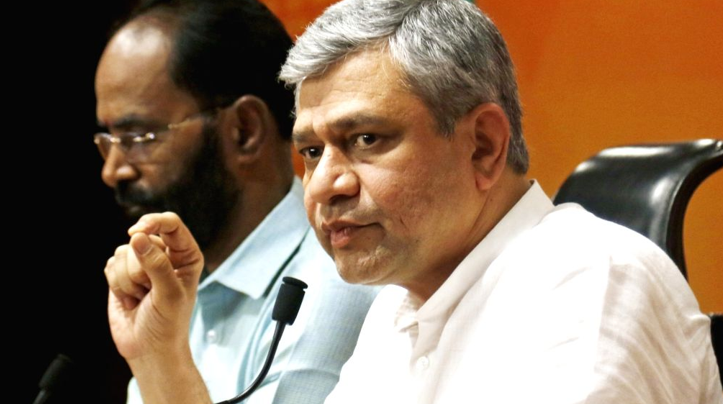
The minister overseeing the sector is Ashwini Vaishnaw, India’s Minister for Electronics and Information Technology, as the government expands AML controls, financial traceability and oversight of offshore gaming and prediction-market platforms.
The main legal gray area remains prediction markets themselves. Kalshi and Polymarket operate through contracts tied to real-world events; including elections, sports, economics and cryptocurrencies, presenting themselves more as information or financial markets than traditional gambling platforms. However, Indian authorities increasingly argue that any system involving money, uncertain outcomes and profit expectations may fall within the definition of “online money gaming.”

Kalshi’s legal advisor Valeria Vouterakou stated that the company remains in dialogue with Indian authorities and has not received a direct shutdown order. Meanwhile, Polymarket said it maintains selective geoblocking measures, although India is not currently listed among its restricted jurisdictions. The enforcement challenge for India is both technical and financial. Users continue accessing prediction platforms through VPNs, stablecoins and crypto wallets, complicating domestic enforcement and payment restrictions.

The Indian government estimates the online gaming industry generated approximately INR 232 billion in 2024 and could reach INR 316 billion by 2027. The next phase is expected to include broader blocking measures, tighter payment restrictions, deeper banking cooperation and the potential formal classification of prediction markets as prohibited gambling activities in India.