












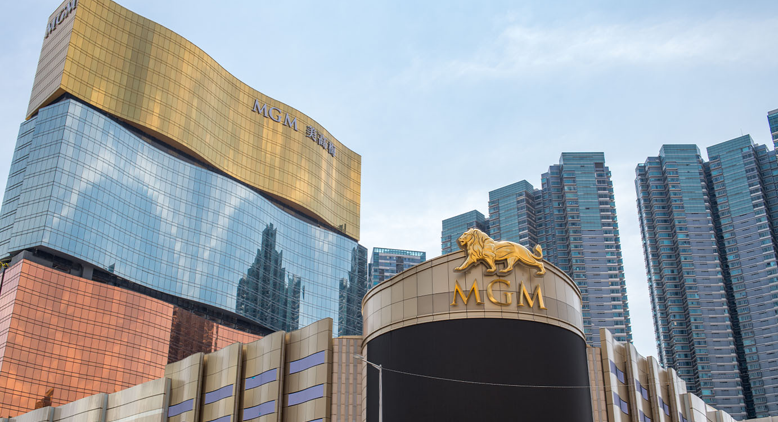
Asian gaming giants MGM China and Las Vegas Sands have launched new multi-billion-dollar international bond offerings to refinance debt and extend maturities through 2033, highlighting how major casino operators are increasingly using global capital markets to restructure balance sheets while Macao continues its post-pandemic recovery.

MGM Resorts International announced an international offering of senior unsecured notes aimed at professional investors worth approximately US$750 million, maturing on 15 May 2033 with a coupon near 6.25% annually. The proceeds will primarily be used to repay part of its 2025 Revolving Credit Facility, a HK$23.4 billion banking line signed in April 2025.
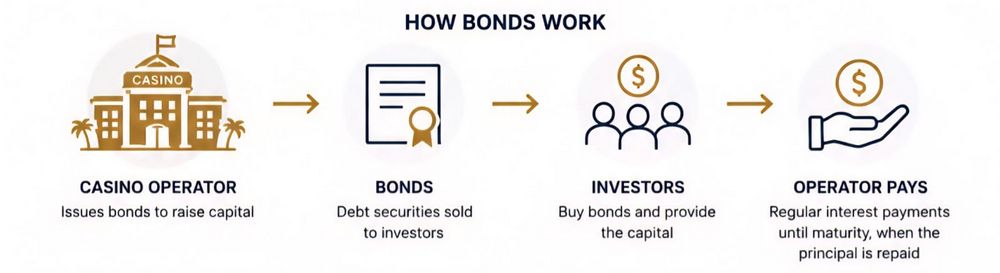
Days earlier, Las Vegas Sands confirmed another US$1 billion issuance split into two tranches: notes at 5.300% due 2031 and notes at 5.650% due 2033, aimed at refinancing existing 2026 debt while preserving corporate liquidity. A bond essentially works as a loan made by investors to a company. The casino operator receives immediate cash and, in return, commits to making periodic interest payments until the full principal is repaid at maturity. In this case, bondholders will receive interest payments for roughly seven years while assuming the operator’s credit risk.
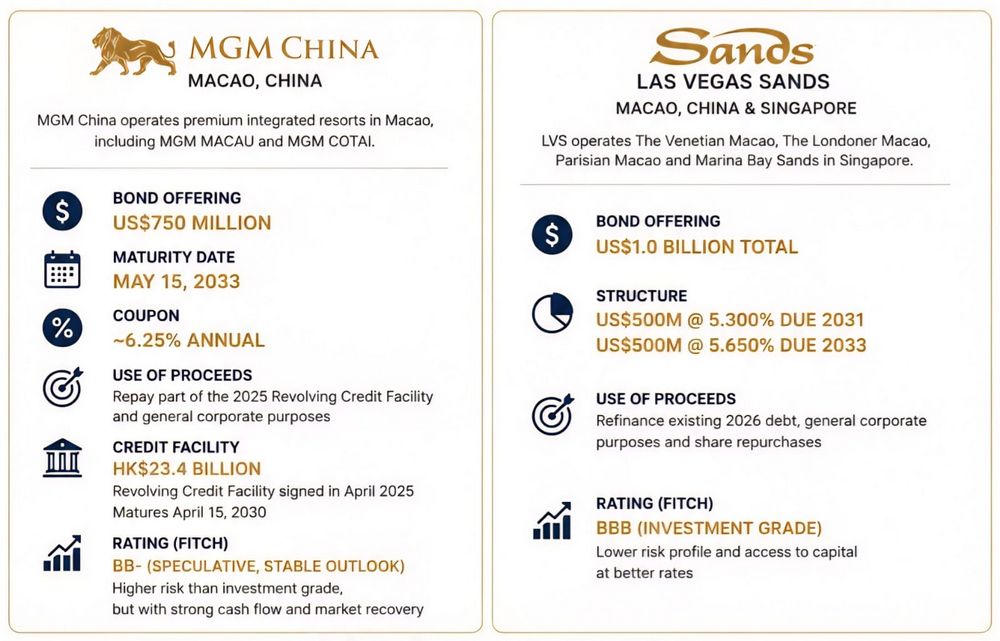
The BB- rating assigned to MGM China by Fitch indicates speculative but stable debt: higher risk than investment-grade issuers but still supported by current cash flow and Macao’s gaming recovery. Las Vegas Sands, meanwhile, maintains a BBB investment-grade rating, allowing it to borrow at lower interest rates. Banks play a dual role in these transactions, because they provide revolving credit facilities while also acting as bookrunners and underwriters, connecting institutional investors with casino operators.

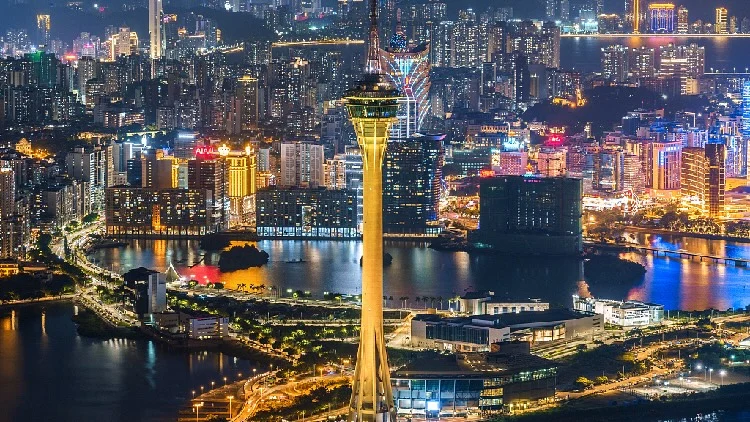
The surge in gaming bond activity reflects a strategic shift across gaming, less dependence on traditional bank borrowing and greater reliance on capital markets to refinance liabilities, maintain liquidity and support long-term operations in a gaming hub that generated approximately US$28.3 billion in GGR during 2024, equal to around 77.5% of pre-pandemic levels.