



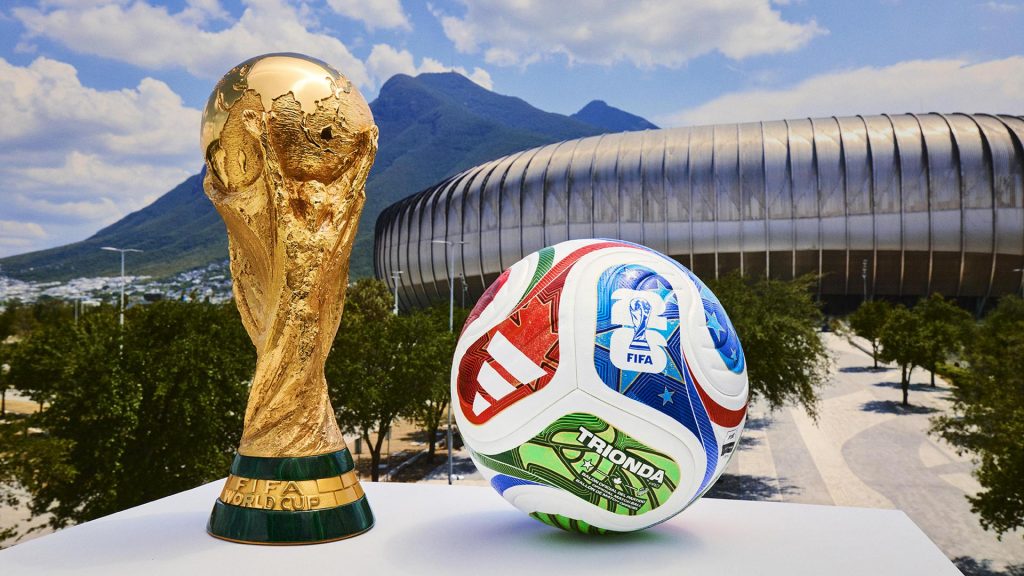
Europe has begun deploying its most extensive regulatory effort ahead of the 2026 FIFA World Cup, which will take place from June 11 to July 19, 2026, across the United States, Mexico and Canada, with two distinct priorities emerging; protecting sports betting integrity and preventing gambling-related harm. While Malta has ordered heightened vigilance against potential market manipulation, France has launched a nationwide campaign in response to the expected surge in betting activity and gambling addiction risks during the tournament.

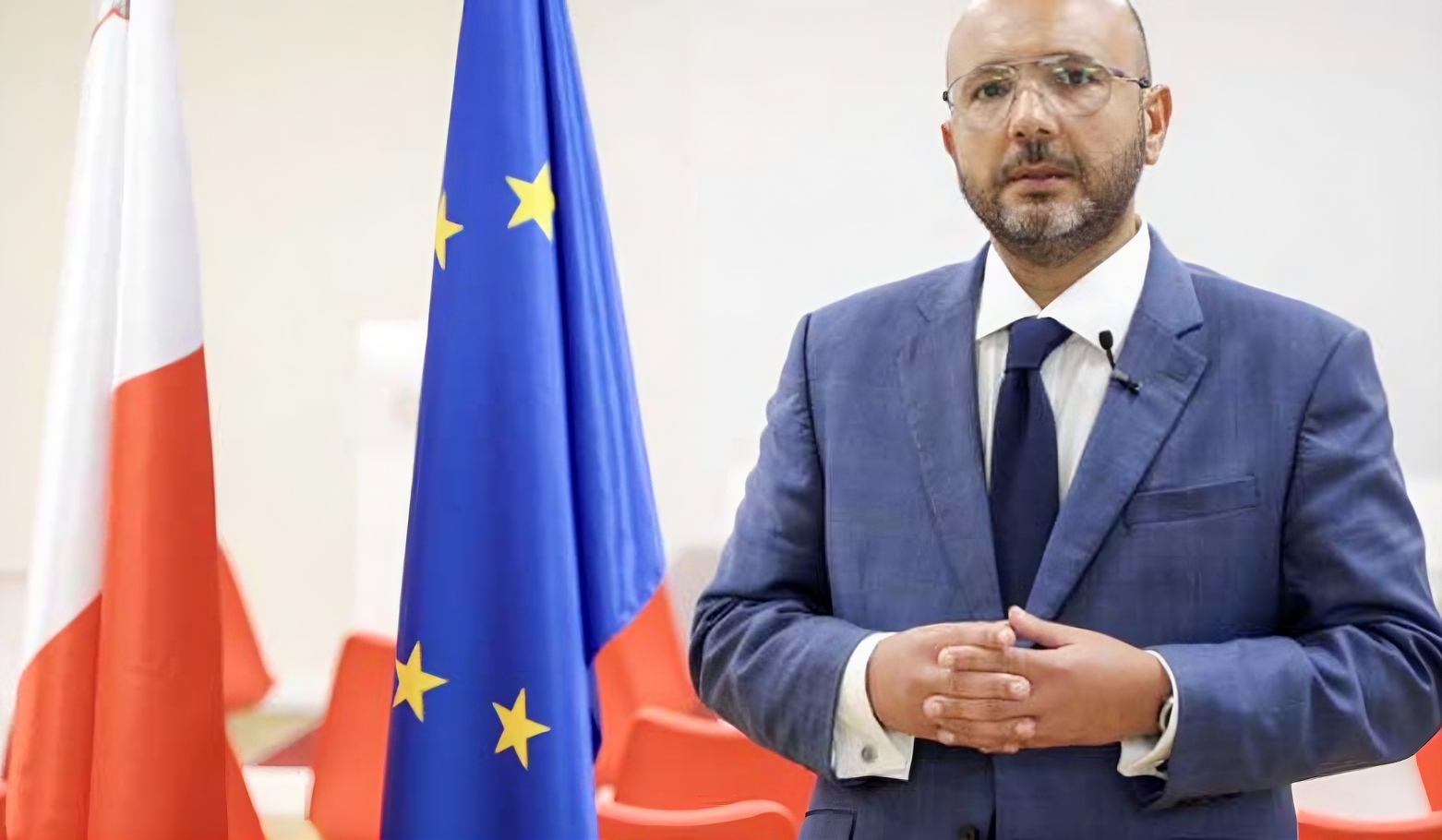
On June 5, the Malta Gaming Authority (MGA) issued a formal notice to all licensed operators requiring enhanced monitoring and immediate reporting of suspicious betting activity linked to the World Cup. The measure is based on the Gaming Authorisations and Compliance Directive (Directive 3 of 2018), Regulation 43, which obliges licensees to use the regulator’s official suspicious betting reporting mechanism. The MGA, led by CEO Charles Mizzi and operating under the oversight of the Ministry for the Economy, Enterprise and Strategic Projects, headed by Minister Silvio Schembri, also instructed operators to maintain active Sports Integrity Points of Contact, strengthen systems for detecting irregular betting patterns and cooperate directly with the regulator’s Sports Integrity Unit.
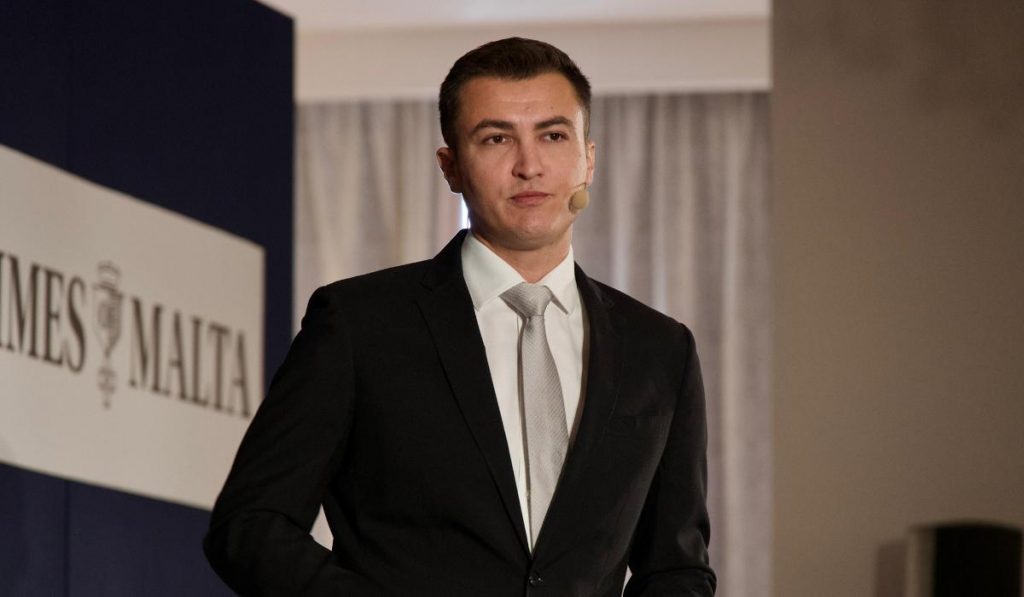
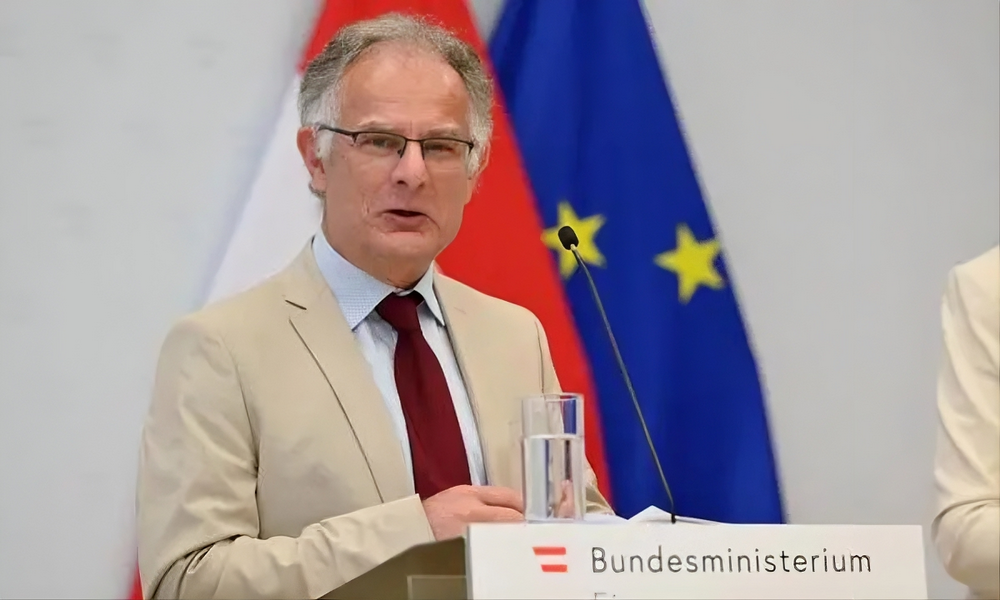
Minister Silvio Schembri
The concern is significant. The 2026 World Cup will be the first edition featuring 48 national teams and 104 matches, substantially expanding betting opportunities compared to Qatar 2022. From a regulatory perspective, more matches mean more betting markets, greater liquidity and increased exposure to match-fixing risks, coordinated betting activity and cross-border fraud.
At the same time, France’s Autorité Nationale des Jeux (ANJ), chaired by Isabelle Falque-Pierrotin, launched its national “Zone à risques” campaign after identifying a sharp increase in betting intentions among football fans. A survey conducted by Toluna-Harris Interactive between May 19 and May 21 found that 41 percent of French consumers planning to follow the World Cup intend to place bets, five percentage points higher than during Qatar 2022 and six points above UEFA Euro 2024 levels.
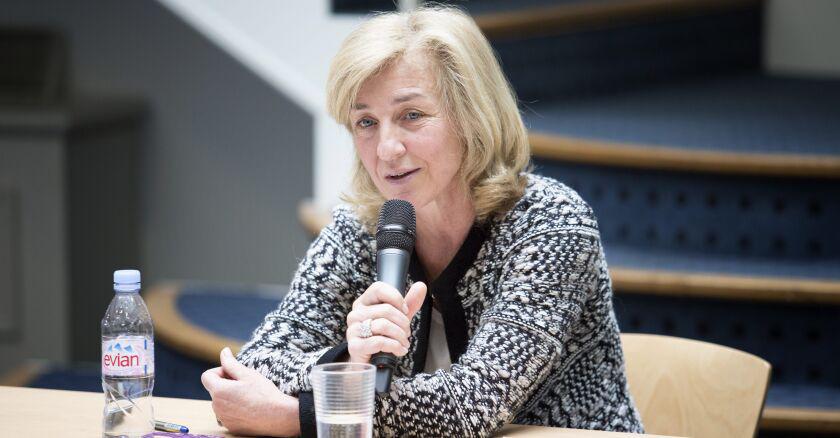
Isabelle Falque-Pierrotin
The ANJ estimates that the tournament could generate approximately €1.2 billion in wagers, compared with just over €900 million recorded during the 2022 World Cup. France already generated nearly €6 billion in online sports betting stakes during 2025, with football accounting for 55 percent of total betting volume, supported by more than 5 million active accounts and an average annual stake of €2,186 per bettor.
The figures causing the greatest concern for French regulators involve younger players. Sixty-four percent of sports bettors are between 18 and 34 years old, while research from the Observatoire Français des Drogues et des Tendances Addictives (OFDT) estimates that 15.3 percent of sports bettors display problematic gambling behavior. Additionally, 37 percent of regular bettors report having lost control of their gambling at least once, a figure that rises to 67 percent among individuals under 25 years old.

The combination of Malta’s integrity-focused measures and France’s public health approach suggests that the 2026 World Cup will become one of the most heavily monitored sporting events ever for European gambling regulators, with intensified oversight covering sports integrity, advertising practices, consumer protection, anti-money laundering controls, responsible gambling measures and the early detection of suspicious betting activity.