






Venezuela’s gaming industry sent a renewed signal of optimism on June 17, 2026, as industry stakeholders identified the recent institutional changes within the National Commission of Casinos, Bingo Halls and Slot Machines (CNC) as an opportunity to accelerate investment in casinos, online betting, hospitality and integrated entertainment developments. The shift is being viewed as a potential turning point for a market that has been gradually reopening and repositioning itself within the Latin American gaming landscape.

At the center of the discussion is Soraya Roye de Lucci, President of WINNERS 2015 C.A., who argued that the new institutional framework can restore confidence among both domestic and international investors. According to Roye de Lucci, the next priority should be the modernization of the country’s gaming legislation and the creation of a more competitive environment capable of supporting large-scale tourism and gaming projects.

Soraya Roye de Lucci
The debate follows the appointment of Edgar Alejandro Melo Rodríguez as head of the CNC in April 2026, a move that many industry participants interpret as the beginning of a new phase of regulatory modernization. The sector continues to operate under the Law for the Control of Casinos, Bingo Halls and Slot Machines, enacted in 1997, a regulatory framework that has governed casinos, bingo halls and slot machine operations for nearly three decades.

Roye de Lucci has proposed three key pillars for the industry’s next stage of development with legal stability agreements for investors lasting between 10 and 15 years, real-time digital monitoring of gross gaming revenue (GGR), and the creation of Special Tourism Development Zones (ZDTEs) designed to host integrated hotel-casino resorts with fiscal incentives and streamlined licensing procedures.
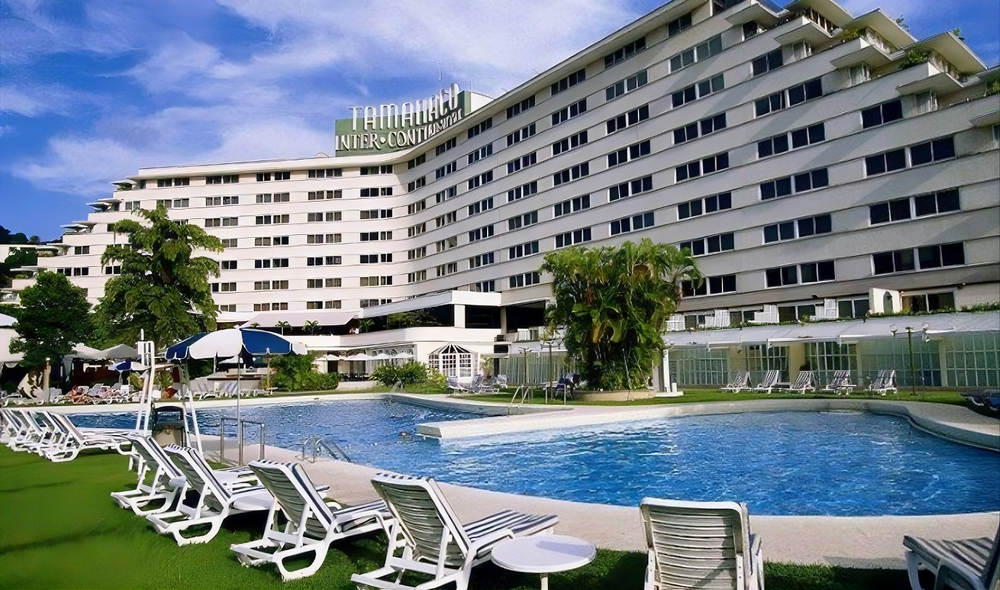
The market already includes visible land-based operations such as Casino Tamanaco and the historic Casino Humboldt, alongside online platforms such as W Casino Online and FacilitoBet, which publicly state that they operate under authorizations granted by Venezuelan gaming-related authorities. Regulatory oversight also involves the National Lottery Commission (Conalot) for lottery-related activities.
Current legislation requires casinos to operate within five-star hotels containing at least 200 rooms, limits foreign ownership to 80% of share capital, and imposes a tax equivalent to 10% of gross casino profits, while bingo halls pay 12% on revenue not allocated to prizes. The law also mandates anti-money laundering controls, customer identification procedures and periodic reporting to regulatory authorities.

Industry participants are now watching for potential legislative reform, expanded digital supervision, stronger AML standards and a broader tourism-driven investment strategy. For operators, suppliers and investors, the combination of renewed regulatory leadership, technological modernization and hospitality development could position Venezuela as one of the Latin American gaming markets with the greatest long-term growth potential.