








The Province of Buenos Aires accelerated two strategic gaming initiatives in June 2026 that are set to reshape part of Argentina’s regulated gambling industry. While the municipality of Necochea approved the public auction of its historic casino complex, provincial authorities simultaneously launched the installation of a new generation of betting terminals across official lottery agencies, expanding the reach of the legal wagering network.

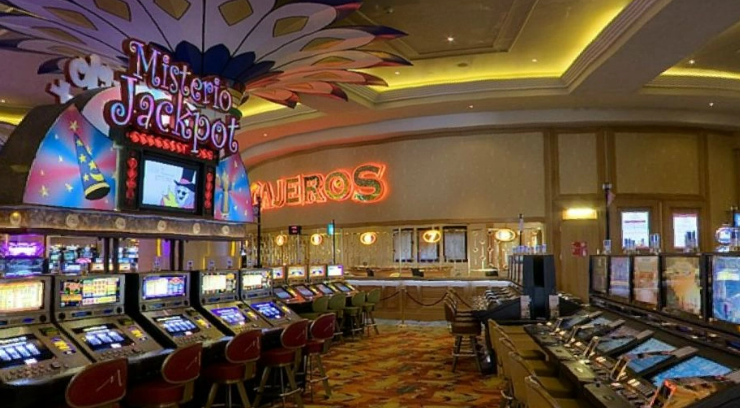
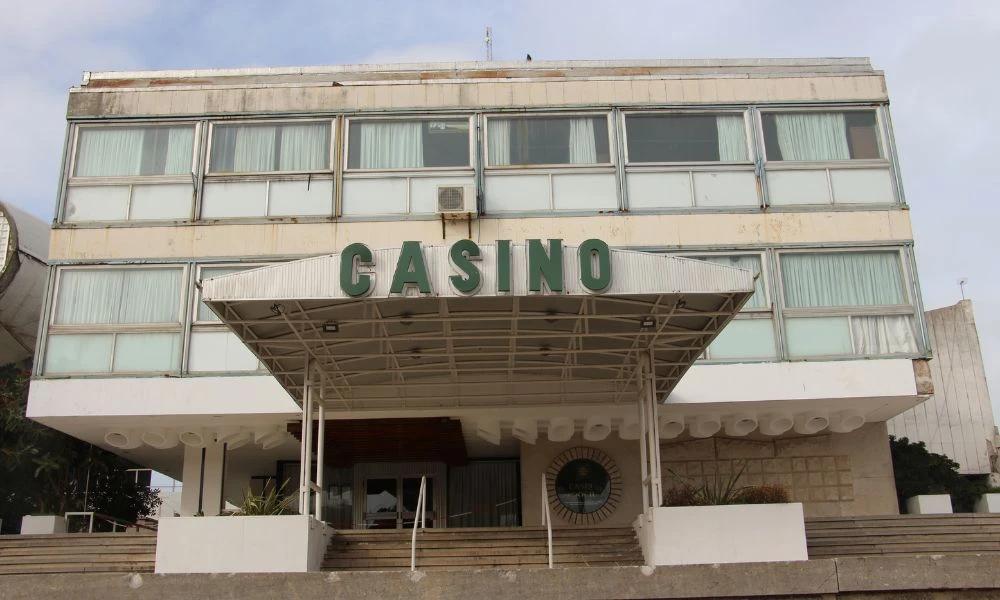
The first major development materialized on June 10, 2026, when the municipality finalized the public auction of the iconic Necochea Casino Complex. A landmark tourism asset inaugurated in 1973 and long considered one of the economic engines of Argentina’s Atlantic coast, the complex was successfully adjudicated to the sole bidder, "A Toda Vela Mar S.A.", for its minimum bid price of ARS 4.878 billion.
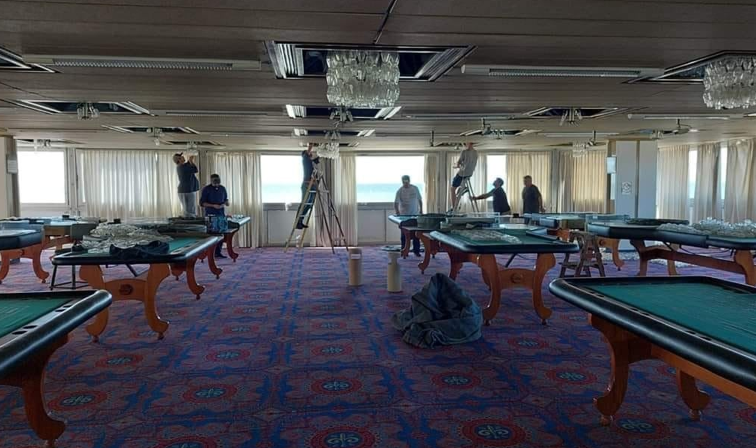

A valuation conducted by Banco Provincia estimated the property's value at ARS 3.75 billion. The approved payment structure requires a 10% deposit within 48 hours of adjudication, an additional 15% payment after final approval, and the remaining balance to be paid over six annual installments. The project also includes municipal tax incentives and exemptions that could extend for up to 20 years. The process is being coordinated alongside the Buenos Aires Provincial Institute of Lottery and Casinos (IPLyC), headed by President Gonzalo Atanasof, the province’s gaming regulator.

Gonzalo Atanasof
IPLyC has begun deploying new Bet Acceptance Terminals (TCA) throughout official lottery agencies across Buenos Aires Province. The modernization project will allow thousands of retail locations to process regulated sports bets, validate wagers in real time, and connect directly to the regulator’s centralized monitoring systems.

The initiative covers a network of approximately 2,000 licensed lottery agencies serving a province of more than 17 million residents. Authorities view the rollout as a key step in strengthening the regulated betting channel against illegal gambling operations and offshore platforms. The new terminals are expected to improve transaction traceability, reinforce player identification controls, support anti-money laundering compliance, and expand regulatory oversight, complementing the province’s broader modernization efforts across casinos, betting operations, and gaming infrastructure.