














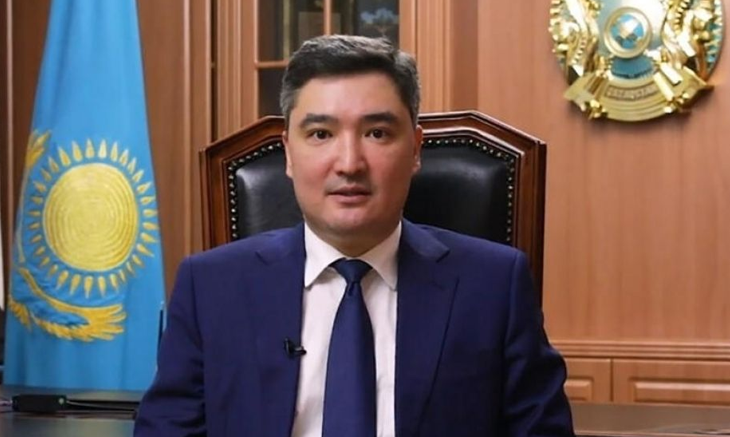
Kazakhstan has strengthened one of Central Asia's most advanced responsible gambling programs after confirming that 224,793 citizens remained enrolled in the country's national self-exclusion system as of June 1, 2026, according to official figures released on June 30, 2026. The data was presented by Prime Minister Olzhas Bektenov, who stated that the government will continue reinforcing player protection measures while supporting the sustainable development of the country's regulated gambling market. Since the launch of the system in March 2024, authorities have received 463,829 self-exclusion applications, with approximately 48% still active.

The program is administered by the Committee for Regulation of Gambling Business and Lotteries, operating under the Ministry of Tourism and Sports, led by Minister Yerbol Myrzabossynov, and functions entirely through the government's digital platforms eGov.kz and eGov Mobile.
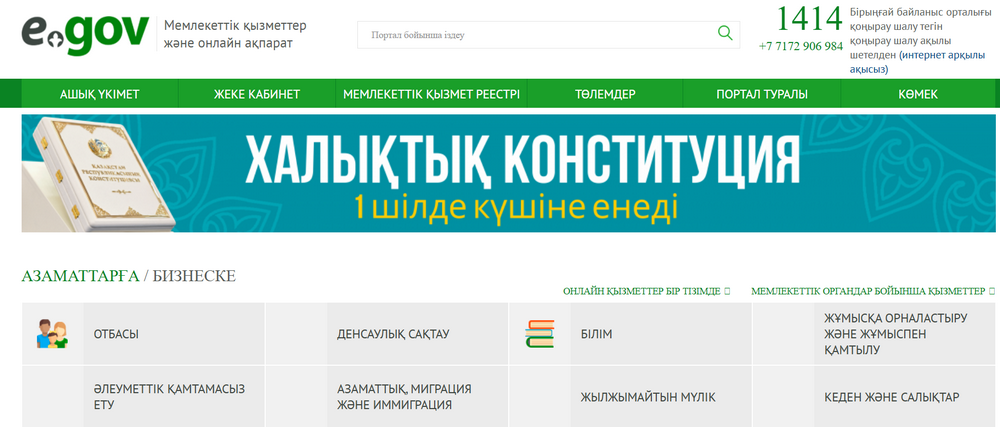
The service allows any citizen aged 21 or older to voluntarily prohibit themselves from participating in casinos, slot machine halls, betting shops, and licensed sports betting platforms. To submit an application, users must access eGov Mobile, open the "Services" section, select "Tourism and Sports", choose "Restriction on participation in gambling and betting", specify the desired exclusion period, and electronically sign the request using an access code, Face ID, or Touch ID. Once approved, the restriction takes effect immediately, cannot be cancelled before its expiration, and may only be extended.
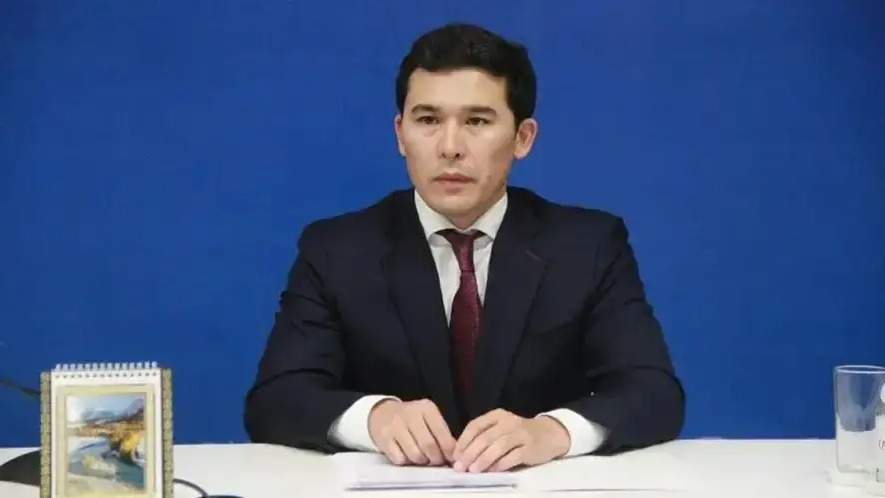
Minister Yerbol Myrzabossynov
As part of the next phase of gambling reform, the government is considering extending the maximum self-exclusion period to 10 years, introducing administrative penalties for licensed operators that allow registered individuals to gamble, and strengthening mandatory identity verification before granting access to gambling services. These initiatives complement recent reforms that prohibit gambling by public officials, military personnel, police officers, and individuals listed in the national debtors' registry, while authorities have also blocked more than 55,000 illegal gambling websites and introduced new restrictions on payments to unlicensed operators.

Through this strategy, Kazakhstan aims to combine robust consumer protection with the continued growth of its regulated gaming industry, using digital government services to establish a modern responsible gambling framework under permanent state supervision.