










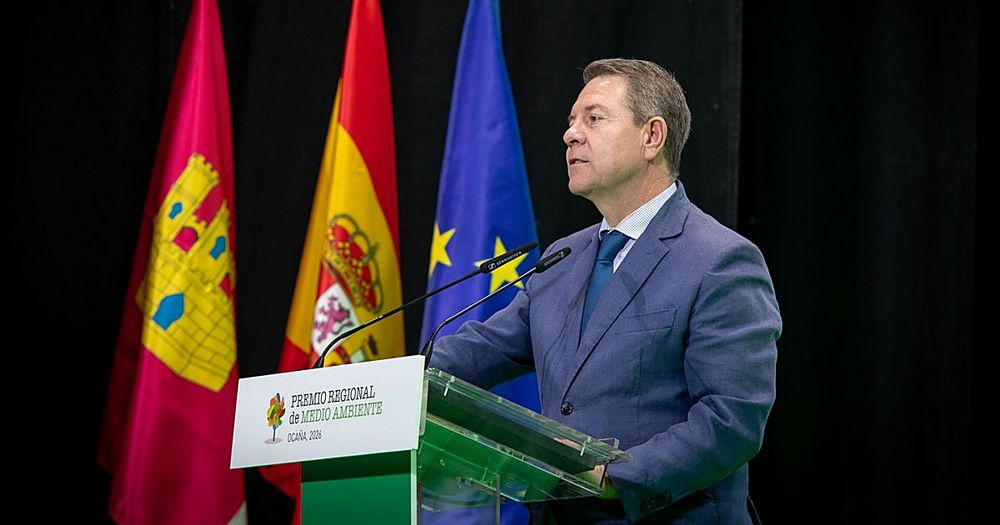
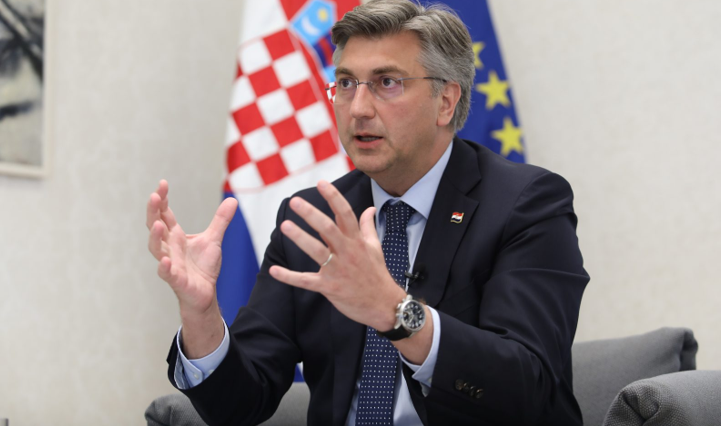
Croatia has moved gambling revenue into a new fiscal role, approving the allocation of up to €214 million for social, sports, cultural and demographic programs in 2026, as its gambling regulatory overhaul takes hold. The measure was adopted by the government of Prime Minister Andrej Plenković on June 26, 2026, after a public consultation that ran until June 19, turning gambling proceeds into a direct financing line for politically sensitive areas of public spending.

The Ministry of Finance, led by Deputy Prime Minister and Finance Minister Tomislav Ćorić, estimated €144.6 million in distributable gambling revenue for 2026, plus nearly €70 million in unused funds carried over from 2025. That lifts the available pool far above the roughly €130 million distributed in the previous cycle. The funding comes from two sources: 50% of fees paid by gambling organizers and 50% of profits generated by Hrvatska Lutrija, Croatia’s state lottery.
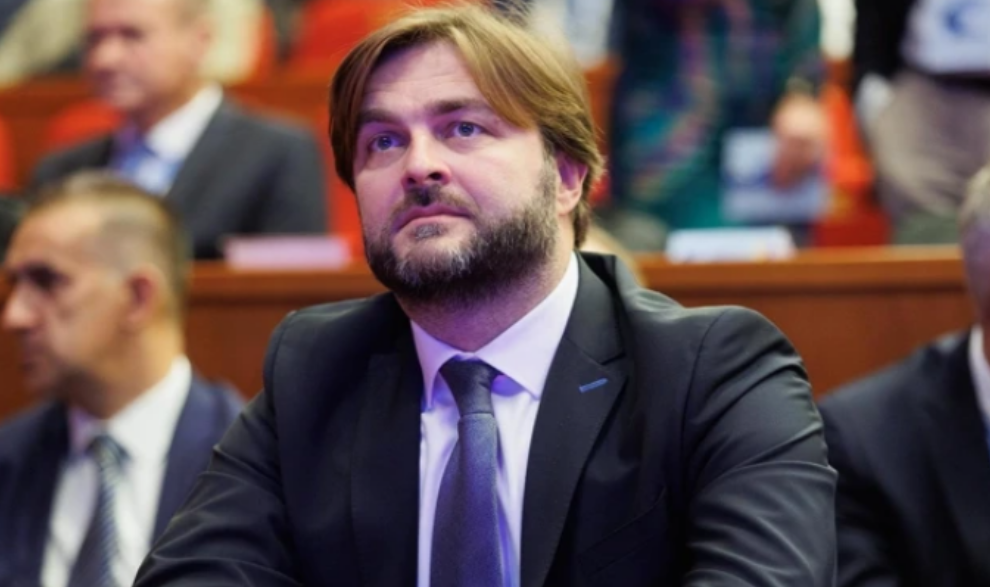
Tomislav Ćorić
The distribution is anchored in Croatia’s Gambling Act, amended by the Croatian Parliament in April 2025, and strengthens the role of the State Treasury, Principal State Treasurer Danijela Stepić, the Government Office for Associations, represented by Helena Beus, and sector ministries responsible for calls, grants and program execution.

The money will finance sports development, addiction prevention and treatment, social and humanitarian activity, support for people with disabilities, technical culture, culture, non-institutional education for children and youth, civil society development, psychosocial support and quality-of-life programs for veterans and victims of the Homeland War, and Croatia’s demographic revitalization agenda. That brings in the Ministry of Demography and Immigration, led by Ivan Šipić, with a 2026 budget above €822 million, and the Ministry of Tourism and Sport, led by Tonči Glavina, with more than €449 million.
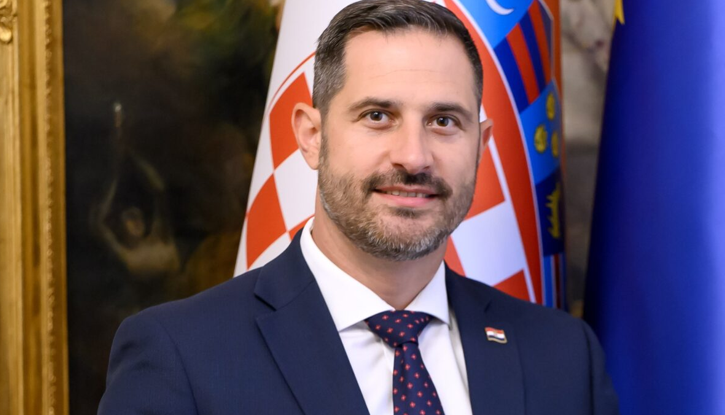
Tonči Glavina

The overhaul also hardens taxation on winnings: 10% up to €1,500, 15% from more than €1,500 to €4,000, 20% from more than €4,000 to €70,000, and 30% above €70,000. Croatia is not only regulating gambling more tightly; it is converting the sector into a fiscal engine for social policy.