





Brussels, November 19, 2026. The European Parliament is maintaining its proposal to introduce a levy on online gambling and betting as an alternative revenue source for the European Union’s 2028–2034 budget, amid difficulties securing agreement on new fiscal contributions among the 27 member states. A parliamentary initiative submitted on March 11 estimated potential revenue of €2 billion to €4 billion annually, although no tax rate has been approved.

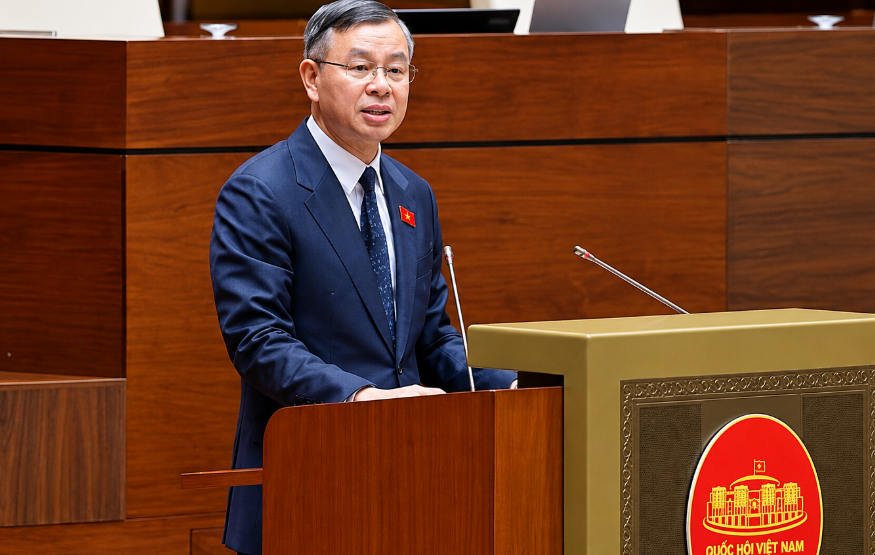
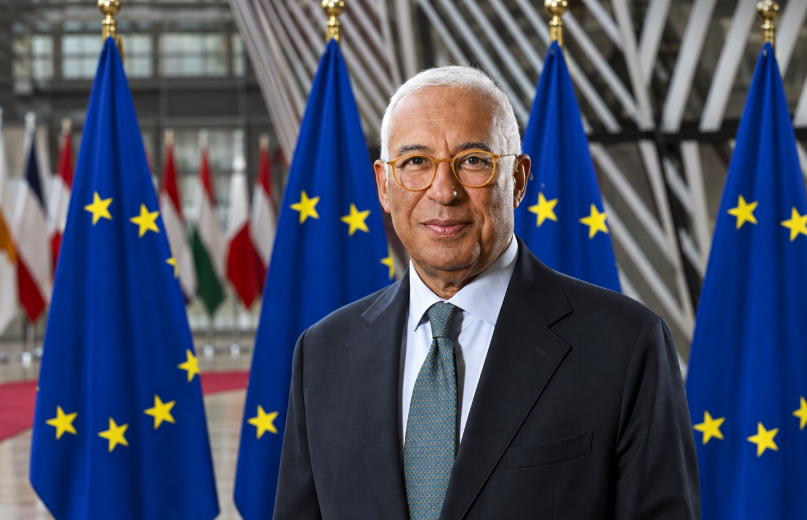
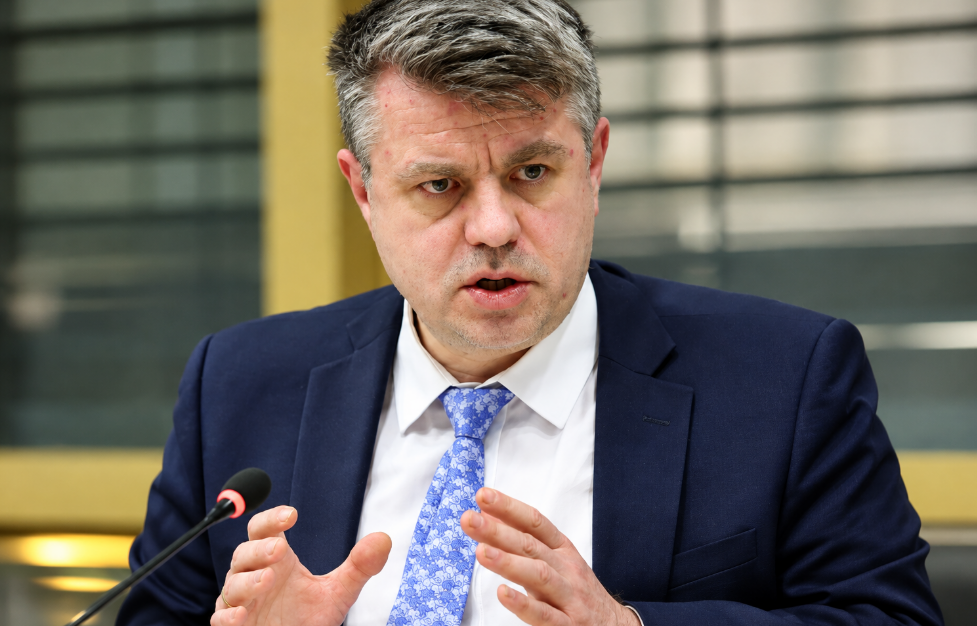
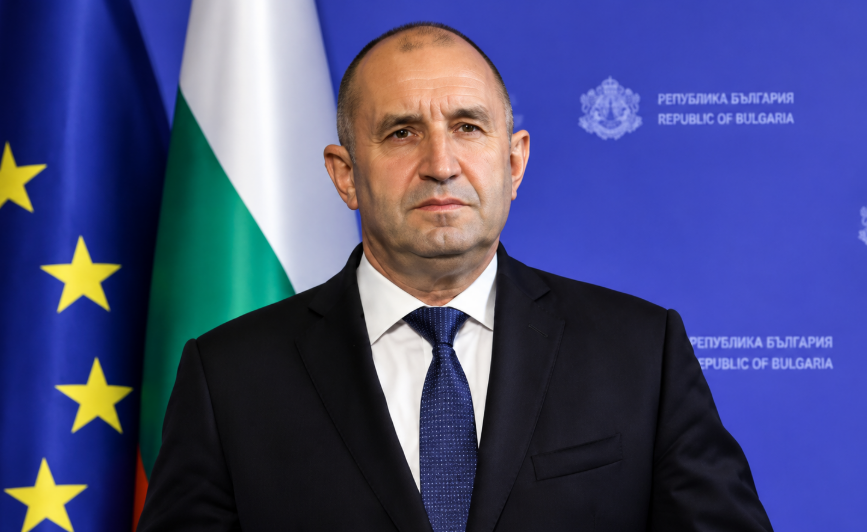
Negotiations involve European Council President António Costa, who is preparing a compromise proposal ahead of an extraordinary summit scheduled for November 26–27. Members of the European Parliament Siegfried Mureșan, from the European People's Party, and Carla Tavares, from the Socialists and Democrats, lead parliamentary budget negotiations, while Danuše Nerudová and Sandra Gómez López coordinate work on the EU's own resources.
- EU opens battle over 1% GGR gambling tax
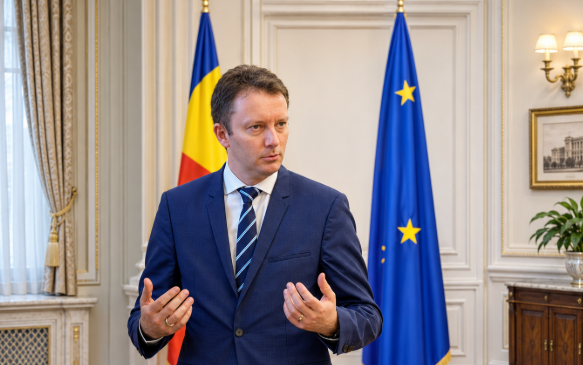
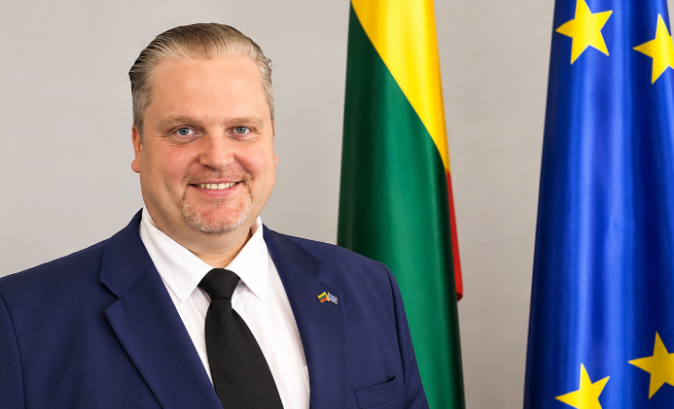
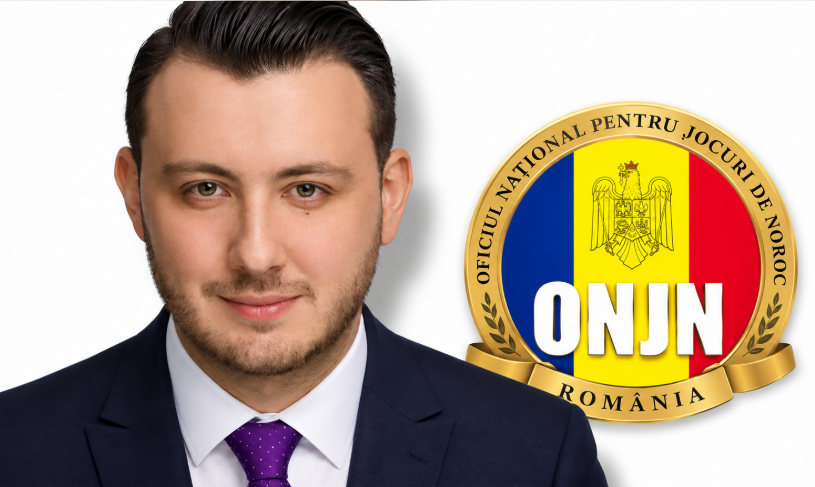
Siegfried Mureșan
The proposed levy could cover online sports betting and gambling services, although the scope of taxable activities, liable entities, tax base, and applicable rates remain undefined. It has not been determined whether taxation would apply to gross gaming revenue (GGR), betting turnover, or profits, and no implementation date has been established.
- Europe tightens financial and tax pressure on gambling
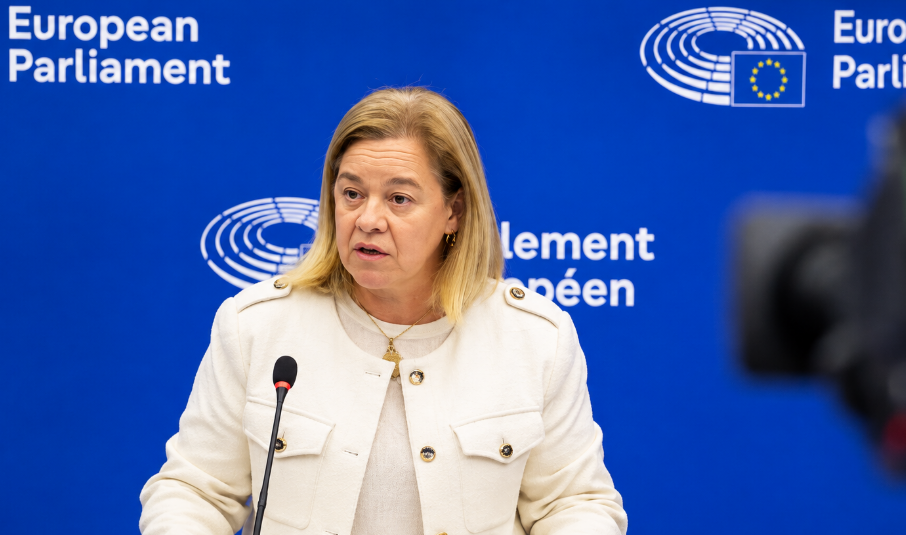
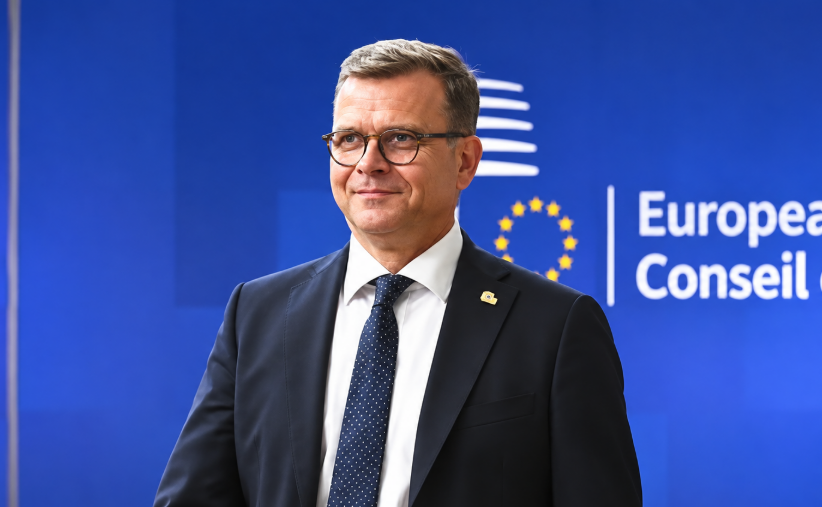
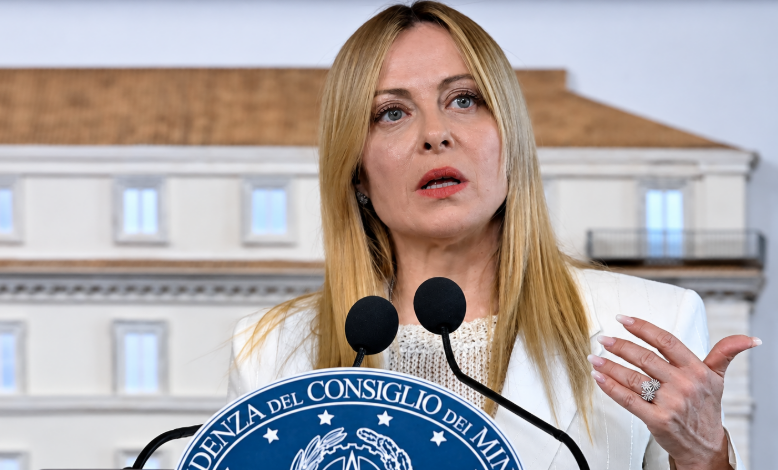
Carla Tavares
The European Commission, headed by Ursula von der Leyen, presented five fiscal mechanisms on July 16, 2025, which, together with adjustments to existing resources, could generate approximately €58.2 billion annually: Emissions Trading System revenues (€9.6 billion), Carbon Border Adjustment Mechanism (€1.4 billion), electronic waste (€15 billion), tobacco excise duties (€11.2 billion), and corporate contributions (€6.8 billion).
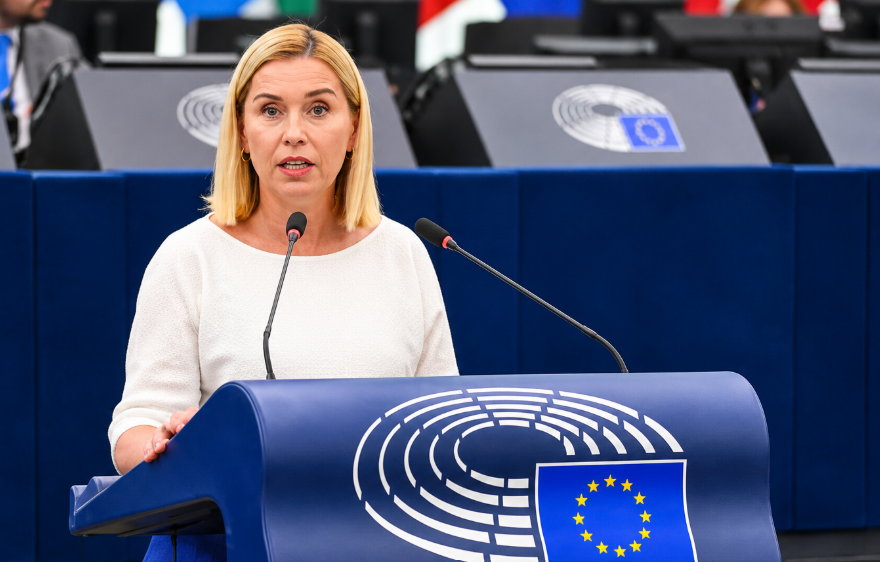
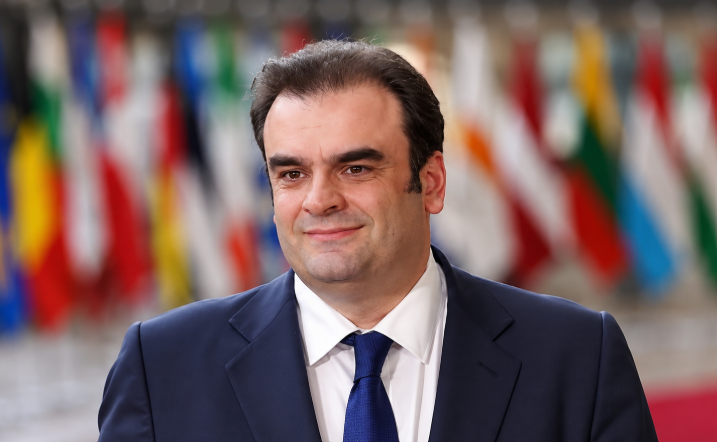
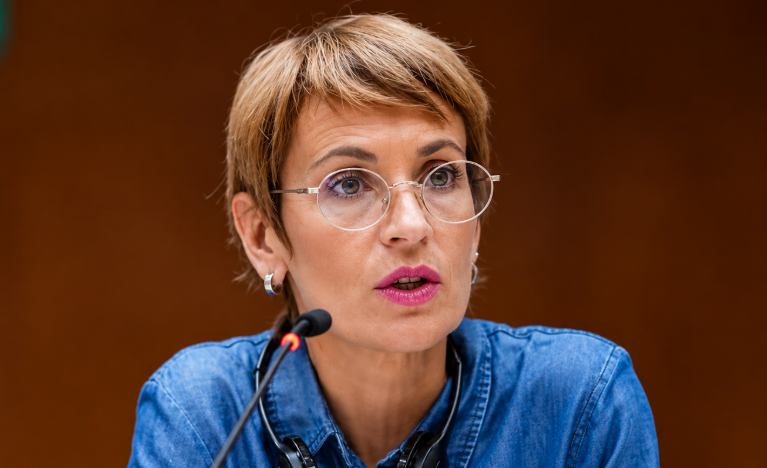
Danuše Nerudová
The proposal includes allocating 30% of ETS revenues, 75% of CBAM revenues, €2 per kilogram of uncollected electronic waste, and a 15% tobacco-related contribution calculated on its harmonized tax base. The Corporate Resource for Europe (CORE) would apply to companies with annual turnover starting at €100 million. Ireland, holding the rotating presidency of the Council of the EU, presented a €141 billion budget adjustment on October 10, equivalent to 8%. Parliament has challenged the proposed cuts as the Commission seeks funding for defense, Ukraine, and NextGenerationEU debt obligations.

Approval of new EU own resources requires Council unanimity and national ratification. European Parliament President Roberta Metsola oversees the institution whose consent is required for the long-term budget, with further negotiations among European leaders scheduled for November.