








Tallinn, November 18, 2026. Estonia could reverse its tax incentive policy for online casinos. On November 11, the Riigikogu, the national parliament, completed the first reading of bill 984 SE, Hasartmängumaksu seaduse ja teiste seaduste muutmise seadus, introduced by Isamaa, which proposes raising the tax on certain gambling activities to 7% and canceling scheduled reductions through 2029.

The Gambling Tax Act, amended in December 2025, currently establishes a 5.5% rate for 2026, with planned reductions to 5% in 2027, 4.5% in 2028, and 4% in 2029. The proposed reform would affect online casinos, sports betting, tournaments, and remote gambling activities covered by Section 6.
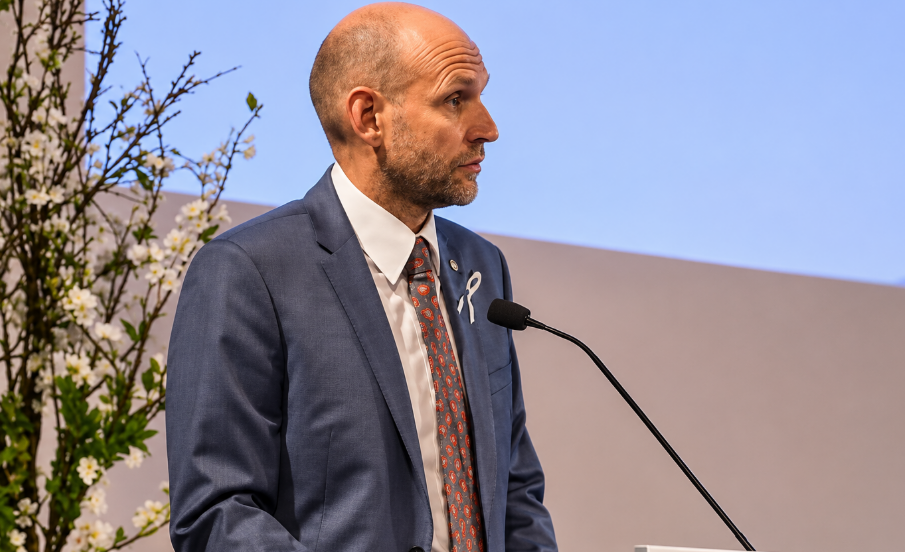
Helir-Valdor Seeder
Isamaa submitted the bill on September 2, and it was admitted for parliamentary consideration on September 3. Party chairman Urmas Reinsalu defended the review, Helir-Valdor Seeder was listed as a signatory, and Aivar Kokk participated in parliamentary discussions.

Margus Allikmaa
Prime Minister Kristen Michal called for a reassessment of the incentives. Finance Minister Jürgen Ligi questioned their sustainability, while Kristina Kallas and Tanel Tein, representing Eesti 200, defended the original strategy to attract international operators. Gambling tax revenue fell 9.7% between January and July 2026. The Ministry of Finance had estimated revenue shortfalls of €6 million in 2026, €8 million in 2027, €10 million in 2028, and €13 million in 2029, totaling €37 million.

Evelyn Liivamägi
Deputy Secretary-General Evelyn Liivamägi reported only two new license applications, one of which was rejected. The original forecast anticipated reaching €95 million in tax revenue by 2029. Cultural Endowment Director Margus Allikmaa warned of a €6–7 million funding shortfall for 2027. Erik Roose, head of Estonia's public broadcaster ERR, raised concerns about cultural funding.

The Finance Committee, chaired by Annely Akkermann, will examine the bill during its next legislative stages. The tax authority, headed by Raigo Uukkivi, administers gambling licenses and taxation. Meanwhile, the separate 2027 budget bill, 1037 SE, projects €19.4 billion in revenue and €20.2 billion in expenditure. The gambling tax reform has no scheduled final vote or confirmed effective date.