

















California is facing, as of April 16, 2026, the first visible effects of a regulatory shift that came into force on April 1, redefining how cardrooms operate and placing stricter limits on blackjack-style games, in a move that is already impacting municipal revenues.
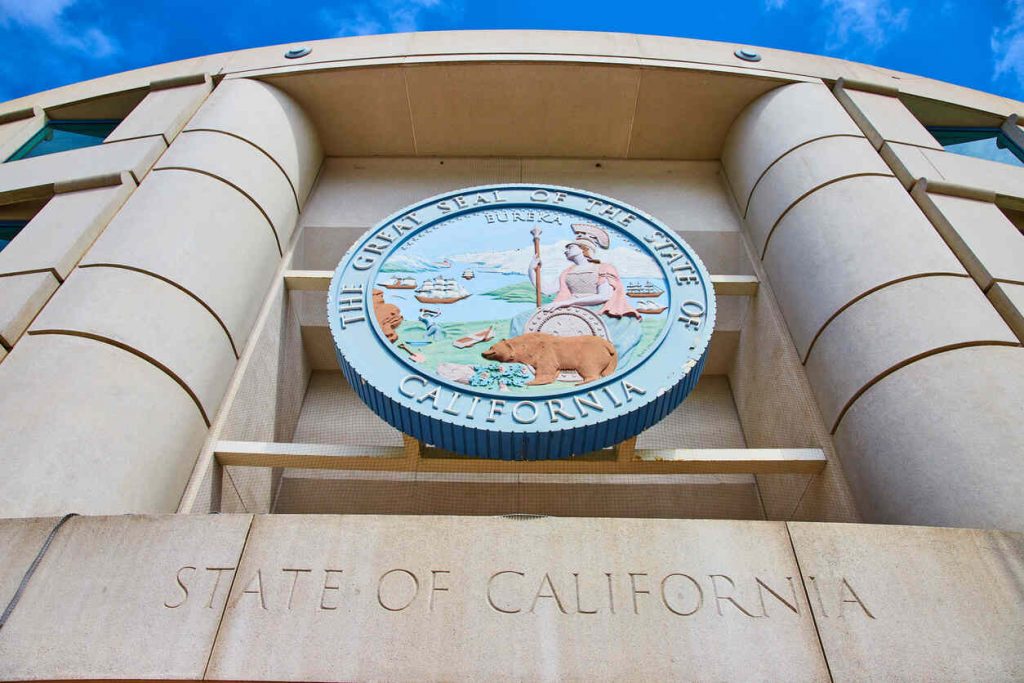
The California Department of Justice, led by Attorney General Rob Bonta, implemented new rules on player-dealer rotation and blackjack-style games, following approval by the Office of Administrative Law. The regulations require operators to adjust their games by May 31, 2026, aiming to prevent certain structures from functioning, in practice, as banked games, which are reserved exclusively for tribal casinos under the California Constitution (Article IV, Section 19).

The legal framework is high, because the regulation is grounded in the Gambling Control Act, codified in the California Business and Professions Code, section 19800 et seq., which establishes that cardrooms may only offer controlled games and cannot act as the house. For years, the use of Third-Party Providers of Proposition Player Services (TPPPS) allowed operators to sustain models where third parties effectively assumed the banking role, creating a regulatory gray area that the state is now moving close to with stricter operational definitions.

Just weeks after implementation, the impact is already visible. In Commerce, the Commerce Casino generates more than US$30 million annually, accounting for over 40% of the city’s general fund. Local officials estimate the new rules could reduce revenues by up to US$18 million, prompting a declaration of fiscal emergency and a local tax measure set for a June 2, 2026, vote.
In Bell Gardens, the Parkwest Bicycle Casino contributes more than US$17 million annually, also exceeding 40% of the municipal budget, with projected declines of up to 30% in gaming-related revenue. The city council has taken similar steps, including declaring fiscal emergency and seeking alternative revenue sources.

This regulatory move is tied to a broader legal front. Since the passage of the Tribal Nations Access to Justice Act (SB 549) in 2024, tribes have been able to bring legal actions to determine whether games offered by cardrooms violate their exclusive rights over banked games, increasing legal pressure on the urban cardroom model.
What is happening in California highlights a broader debate around regulatory tightening — how games are structured, who can assume risk at the table, and how revenues are distributed. The immediate consequence is already clear: as the state narrows the legal boundaries of cardroom operations, cities that depend on this industry are beginning to absorb the financial impact in real time.