








North Carolina and Minnesota have opened two significant regulatory fronts that are increasing pressure on legal betting and prediction markets across the United States. In North Carolina, the shift is fiscal: state lawmakers agreed to raise the tax on licensed sports betting operators from 18% to 23% of gross wagering revenue. In Minnesota, the dispute is jurisdictional: the state is defending a new law targeting prediction markets against a lawsuit filed by the Commodity Futures Trading Commission (CFTC), which argues that states cannot regulate federally supervised event contracts such as gambling.

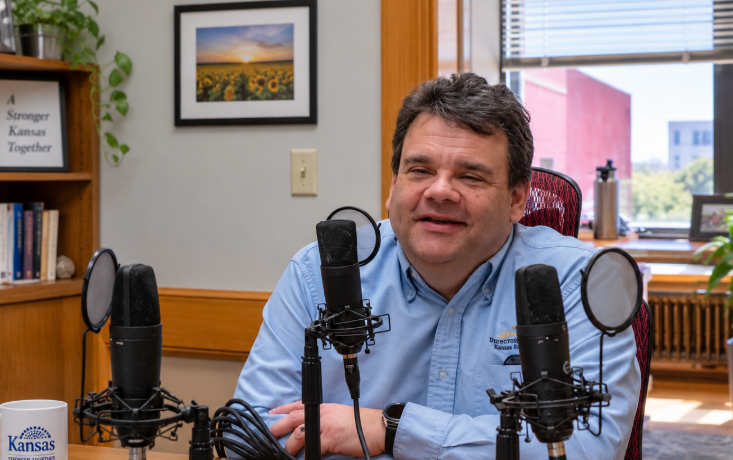
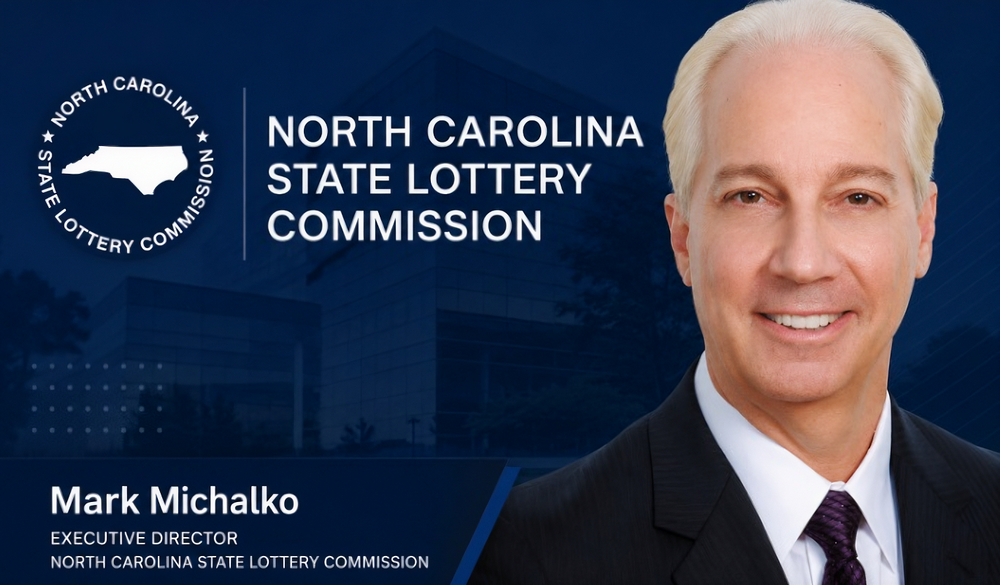
In North Carolina, the market is overseen by the North Carolina State Lottery Commission, led by Executive Director Mark Michalko, through its Regulated Gaming Division, headed by Chief Regulatory Officer Eric Snider. Mobile sports betting launched in March 2024 and has consistently exceeded state revenue projections. Between May 1 and May 31, 2026, bettors wagered US$578,070,325, while sportsbooks paid out US$510,244,709 in winnings and generated approximately US$64.3 million in gross gaming revenue.

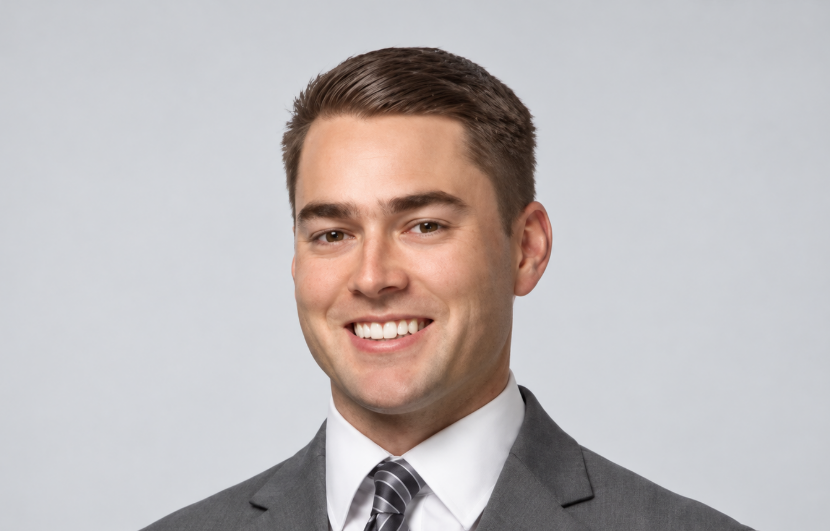
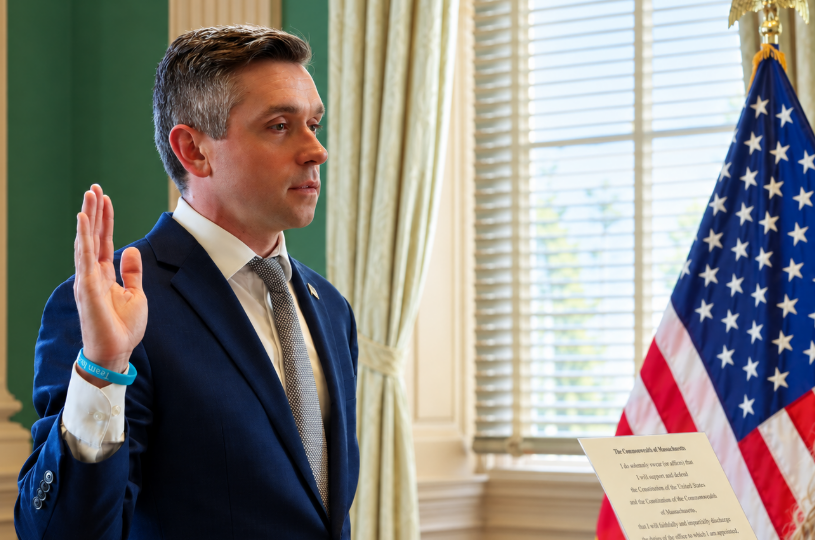
Eric Snider
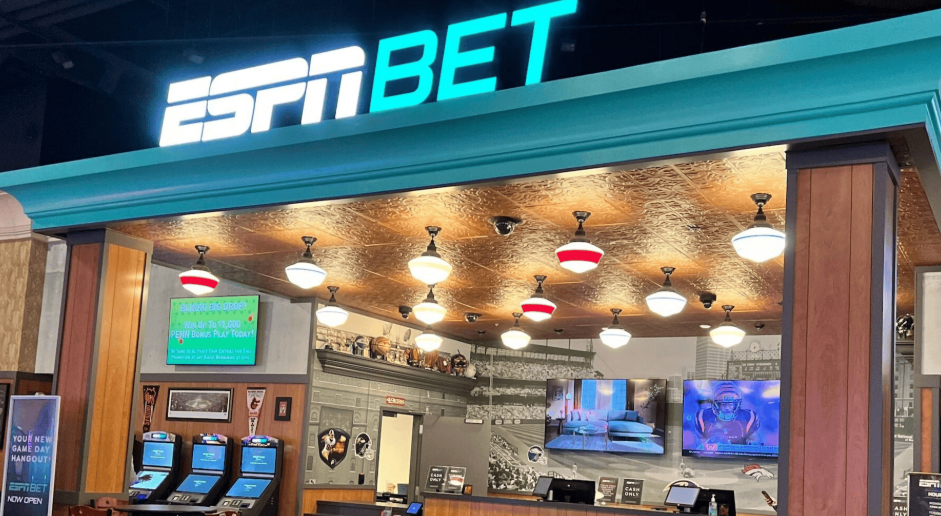
Under the current 18% tax rate, the state collects roughly US$11.58 million per month. The increase to 23% will directly affect licensed operators including FanDuel, DraftKings, BetMGM, ESPN BET, Fanatics, and bet365. Since launch, North Carolina has generated nearly US$300 million in tax revenue from more than US$1.6 billion in operator revenue. Had the 23% rate been in place from the beginning, the state would have collected an estimated US$83 million more.
Tax revenue supports responsible gambling programs, youth sports initiatives, the Major Events, Games and Attractions Fund, athletic departments at 13 University of North Carolina system institutions, and the state's general fund. The Sports Betting Alliance criticized the increase, arguing that it places additional burdens on regulated operators.
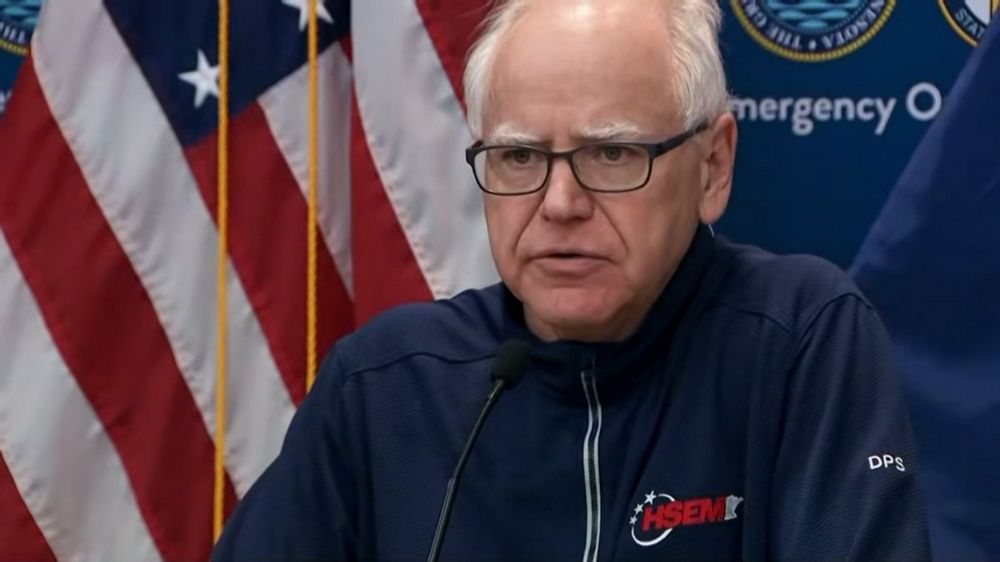
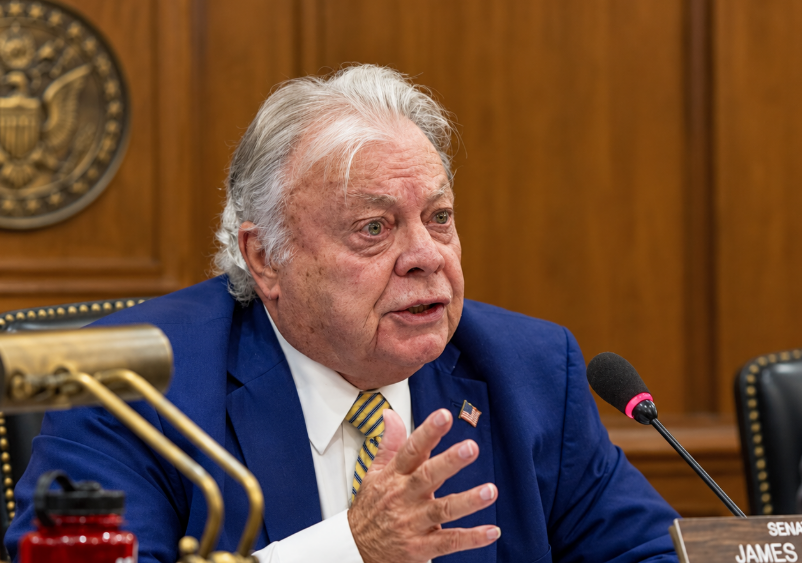
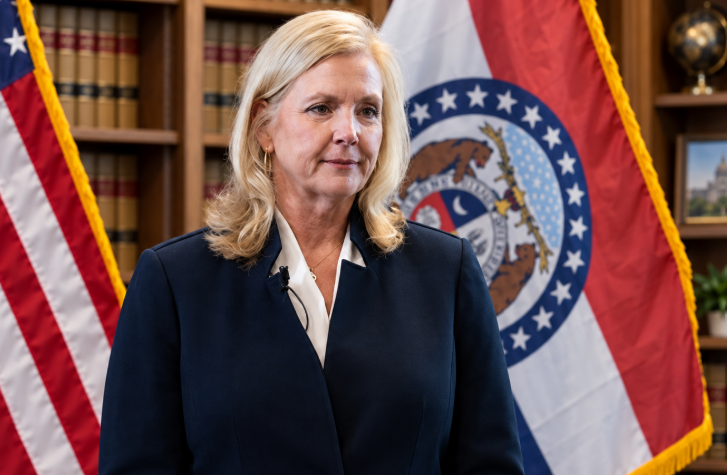
Tim Walz
In Minnesota, Governor Tim Walz signed SF 4760 into law on May 18, 2026, with the legislation scheduled to take effect on August 1, 2026. The law amends portions of Minn. Stat. §299L.03, §609.75, and §609.7615 to prohibit the creation, operation, facilitation, advertising, or promotion of prediction markets involving sports, elections, weather, or government actions.
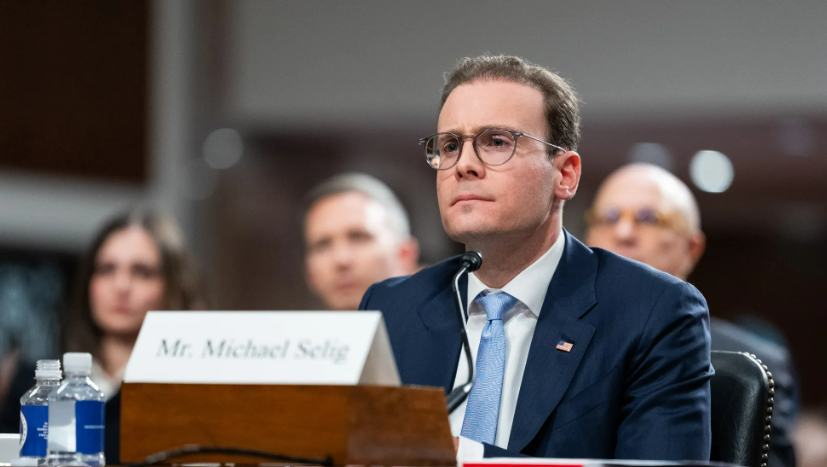
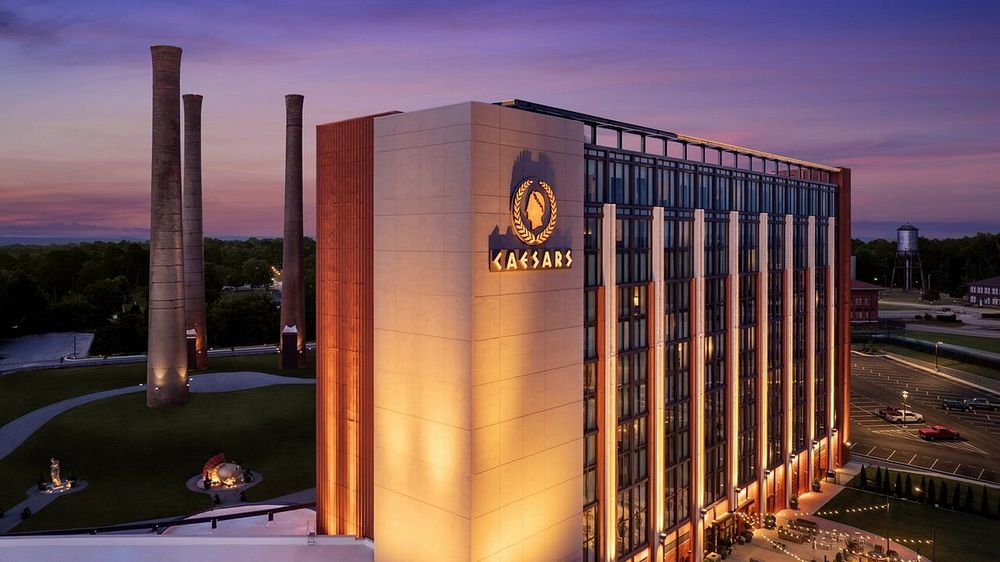
Michael S. Selig
The CFTC, chaired by Michael S. Selig, filed suit against the state, naming Walz, Attorney General Keith Ellison, the Minnesota Department of Public Safety, and Jon Anglin, Director of the Alcohol and Gambling Enforcement Division, as defendants.

The federal regulator argues that event contracts are legally classified as swaps under the Commodity Exchange Act (CEA) and that platforms such as KalshiEX, QCX/Polymarket, Gemini Titan, and Nadex fall under exclusive federal jurisdiction. Minnesota counters that these products function as gambling, create addiction risks, and should remain subject to state gaming laws and consumer protection measures.