







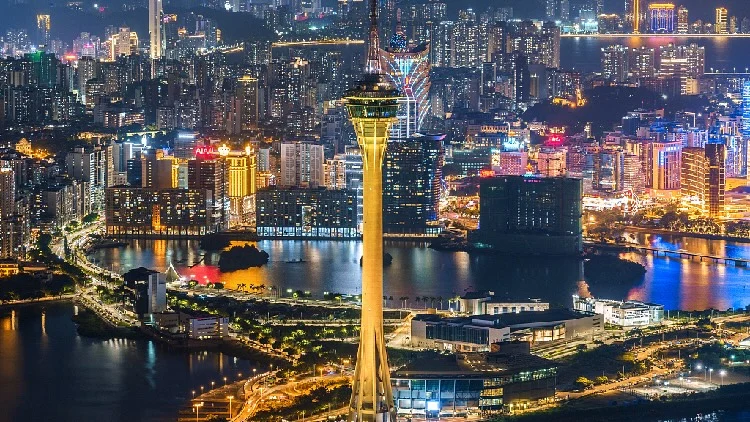


Macau continues to strengthen its position as the world's leading integrated casino-resort destination, with new tourism figures confirming that the city's gaming-driven development model remains one of the most successful economic strategies in Asia. Data released in June 2026 shows accelerating visitor growth, resilient hotel performance and increasing international traffic, reinforcing the role of regulated gaming as a central pillar of Macau’s economy.

According to the Statistics and Census Service (DSEC), Macau recorded 3,487,994 visitor arrivals in May 2026, an increase of 3.4% year-on-year. Of that total, 2,541,802 visitors arrived from Mainland China, up 4.2%, while the Individual Visit Scheme (IVS) contributed 1,377,014 travelers, representing approximately 54.3% of all mainland arrivals. During the first five days of the Labour Day holiday, the city welcomed around 725,000 visitors, nearly 7% more than during the same period in 2025.

Visitor traffic continues to break milestones. The Public Security Police Force (PSP) confirmed that Macau surpassed 20 million visitors in 2026 on June 20, reaching the mark 18 days earlier than last year. The city is averaging nearly 116,000 visitors per day, while the busiest day of the year was May 2, when approximately 248,000 arrivals entered Macau during the Labour Day holiday period.

The composition of visitor traffic also highlights an important trend. In May, Macau recorded 2,149,311 same-day visitors, up 7.9%, while overnight visitors declined 3.0% to 1,338,683. Average length of stay remained at 1.0 day, while overnight visitors stayed an average of 2.3 days. These figures indicate strong visitor volumes but also demonstrate the importance of increasing higher-spending overnight tourism to support long-term gaming and hospitality growth.
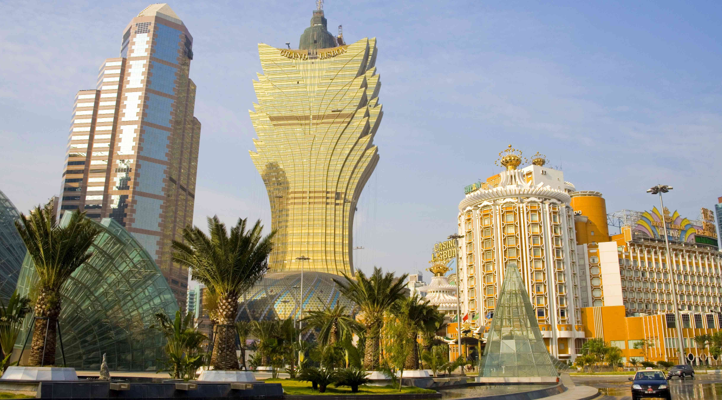
The tourism expansion continues to benefit the major integrated resort operators that dominate Macau’s gaming industry, including Sands China, Galaxy Entertainment Group, MGM China, Melco Resorts & Entertainment, Wynn Macau and SJM Holdings. Flagship properties such as The Venetian Macao, The Londoner Macao, The Parisian Macao, Galaxy Macau, Wynn Palace, MGM Cotai, Studio City, City of Dreams, Grand Lisboa Palace and The Londoner Grand Casino remain among the region’s most important tourism and entertainment assets.

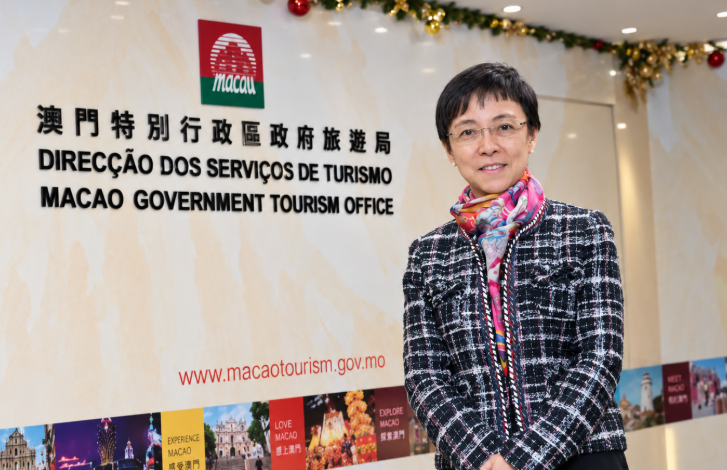
Maria Helena de Senna Fernandes
According to the Macau Hotel Association, the average room rate for five-star hotels reached MOP1,555.7 (US$193) in May, virtually unchanged from a year earlier, while occupancy stood at 92.3%. The survey covered 49 member hotels, including 28 five-star properties. Macau currently offers approximately 26,300 five-star hotel rooms, representing nearly 58% of the territory’s 45,400 total hotel rooms. Between January and May, five-star occupancy averaged 94.3%, while room rates averaged MOP1,534.3.

The city's visitor mix continues to diversify. Mainland China remains the dominant source market with 14.63 million arrivals year-to-date, followed by Hong Kong with 3.46 million, Taiwan with 541,000, and approximately 1.36 million international visitors. Among overseas markets, South Korea, the Philippines, Thailand, Malaysia, and Indonesia remain the largest contributors.

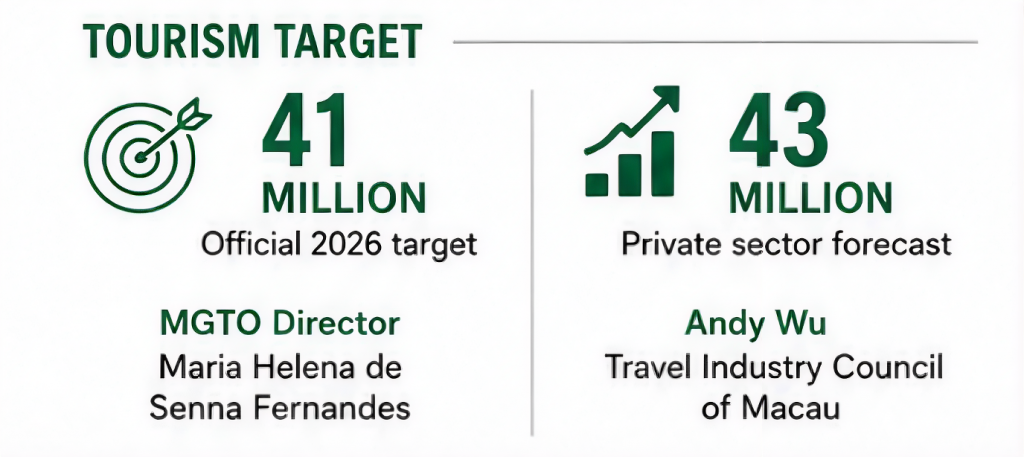
The Macao Government Tourism Office (MGTO), led by Maria Helena de Senna Fernandes, maintains an official target of 41 million visitors in 2026. However, Andy Wu, Chairman of the Travel Industry Council of Macau, believes Macau could surpass 43 million visitors before year-end. For Macau's government and casino industry alike, the figures reinforce the success of a model that combines gaming, luxury hospitality, retail, entertainment and tourism infrastructure into one of the most powerful economic engines in the global gaming sector.