













India and New Zealand delivered two of the most significant regulatory developments of 2026 for the global gaming industry this week. While one focuses on taxation and the other on consumer protection, both send the same message; greater state oversight, tighter regulation, and fewer opportunities for operators to benefit from legal gray areas.

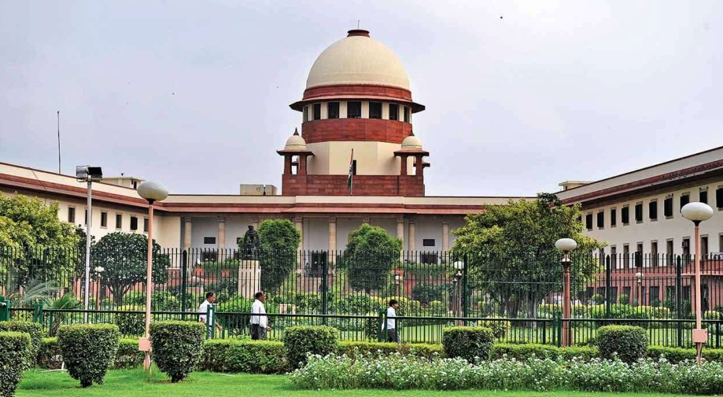
In India, the Supreme Court of India upheld the constitutional validity of the retrospective application of the 28% Goods and Services Tax (GST) on real-money gaming, fantasy sports, rummy, poker, betting, horse racing, lotteries, and casino activities. The ruling was issued by a bench comprising Justice J.B. Pardiwala and Justice R. Mahadevan, who rejected industry arguments and confirmed the legitimacy of tax claims pursued by the Directorate General of GST Intelligence (DGGI). The decision represents a major victory for Indian tax authorities and strengthens the government's position in one of the largest gaming tax disputes ever recorded.
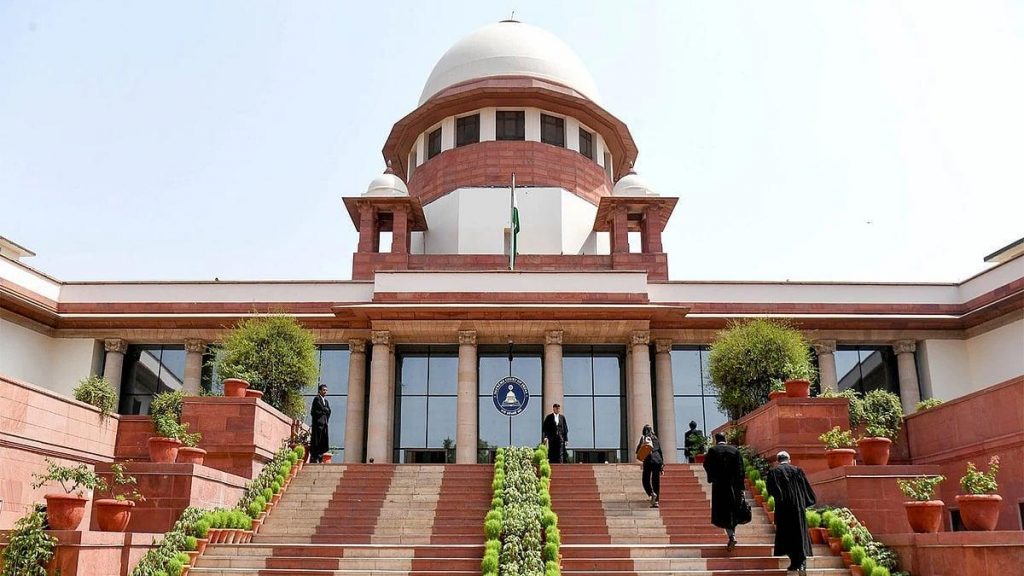

Justice J.B. Pardiwala and Justice R. Mahadevan
The judgment confirms that GST may be levied on the full-face value of bets rather than on Gross Gaming Revenue (GGR) and allows retrospective enforcement. Industry exposure is estimated at more than ₹2.5 lakh crore (approximately US$29 billion), making it one of the most consequential fiscal cases in the history of the gaming sector. Companies affected include Delta Corp, Gameskraft, Dream11, and several other real-money gaming operators.

Despite the ruling, Delta Corp, led by CEO Ashish Kapadia, described the outcome as relatively favorable because the methodology adopted by the Court could significantly reduce part of its historical tax exposure, estimated at around ₹11,400 crore (US$1.34 billion). Investors reacted negatively, however, sending Delta Corp shares down by approximately 16% following the decision.

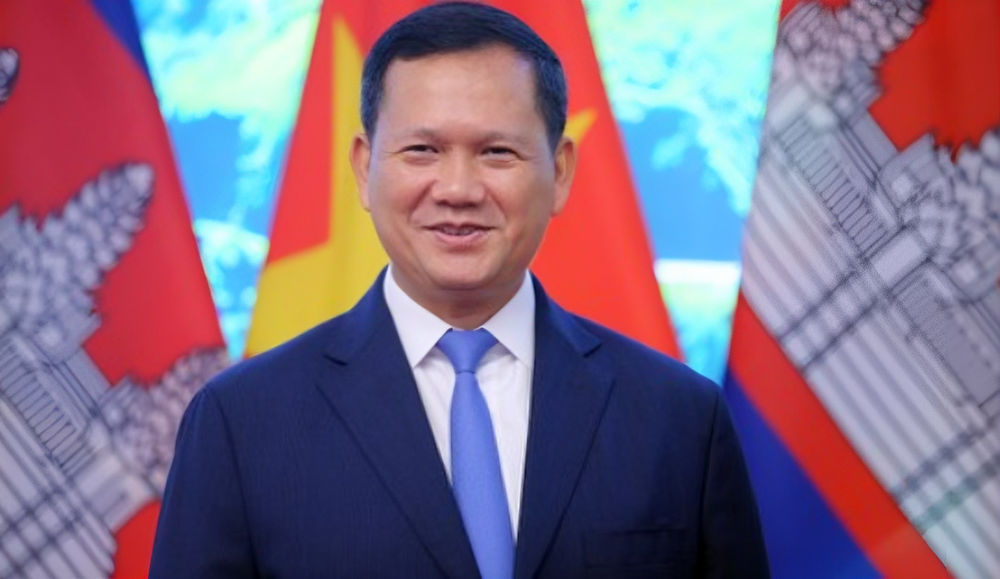
Brooke van Velden
Meanwhile, in New Zealand, Minister of Internal Affairs Brooke van Velden advanced amendments to the Gambling Act 2003 establishing a uniform minimum age of 18 years for all products offered by Lotto New Zealand. The reform removes a longstanding legal loophole under which minors could still purchase products such as Lotto, Powerball, Strike, Keno, and Bullseye, while age restrictions previously applied only to Instant Kiwi games.

The measure affects state-owned lottery operator Lotto New Zealand, chaired by Mark Todd and led by CEO Jason Delamore, and introduces penalties of up to NZ$1,000 for retailers who sell lottery products to minors. While India seeks to secure billions in tax revenue through an expansive GST interpretation, New Zealand is strengthening responsible gambling safeguards and youth protection. In both jurisdictions, regulators are redefining the economic and social boundaries of legal gambling.