















The Philippines is accelerating a new phase of online gambling regulation by combining stricter compliance requirements for licensed operators with new restrictions promoted by local governments.

On June 30, 2026, an analysis by Diego Cruz of Arden Consult concluded that the industry has entered an era of intensive regulation, while the Baguio City Council (Sangguniang Panlungsod) advanced an ordinance that seeks to restrict the presence and promotion of online gambling within the city.

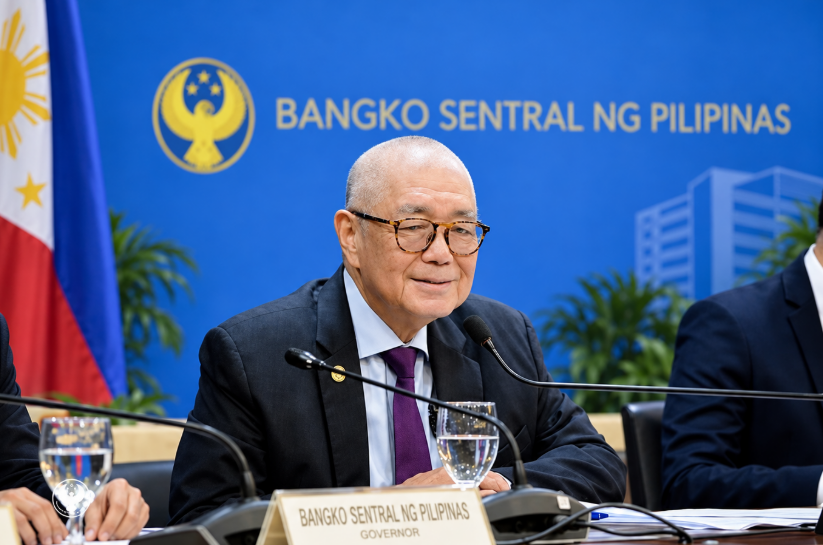
According to Arden Consult, the market is no longer being reshaped solely by the removal of direct gambling links from the GCash and Maya e-wallets, ordered by the Bangko Sentral ng Pilipinas (BSP) on August 14, 2025, and fully implemented on August 17. Instead, the sector is adapting to a broader regulatory framework led by the Philippine Amusement and Gaming Corporation (PAGCOR) under Chairman and CEO Alejandro H. Tengco. The new compliance model includes enhanced Know Your Customer (KYC) procedures, stronger AML/CFT controls, continuous player monitoring, mandatory supplier accreditation, stricter advertising oversight, responsible gambling tools, and the possible introduction of biometric verification through facial recognition and selfie authentication.

Official figures illustrate the impact of these measures. Following the GCash and Maya delinking, PAGCOR reported that online gambling transactions fell by approximately 50%, while its monthly share of Gross Gaming Revenue (GGR) declined from PHP 5.7 billion in May 2025 to PHP 2.9 billion in September 2025, placing the agency's annual target of PHP 60 billion out of reach.

DigiPlus Interactive reported a 25% decline in revenue, a 42% drop in EBITDA, and a 33% decrease in net profit, whereas PhilWeb increased revenue by 30% and returned to positive EBITDA and net income through its B2B technology services for PAGCOR-licensed casinos.
Baguio City Council is reviewing an ordinance that has not yet been approved and must still complete the municipal legislative process. The proposal would prohibit establishments that facilitate access to online gambling, restrict gambling advertising, and limit betting-related sponsorships at public events, citing concerns over rising household debt, gambling addiction, mental health issues, and youth exposure to digital betting platforms.


Together, these developments show that the Philippines is not moving toward a nationwide ban on online gambling, but rather toward a far more demanding regulatory framework that combines stricter compliance standards with stronger consumer protection and a growing role for local governments in shaping responsible gambling policies.