











Asia’s gaming industry is entering a strategic crossroads. While South Korea is openly promoting casinos as generators of national wealth, tourism and employment, the Philippines, one of the region’s most important gaming markets, is facing renewed political uncertainty after anti-POGO senator Risa Hontiveros launched the political movement expected to underpin a potential presidential run in 2028. Together, the developments highlight the diverging paths emerging across Asia’s gaming landscape.

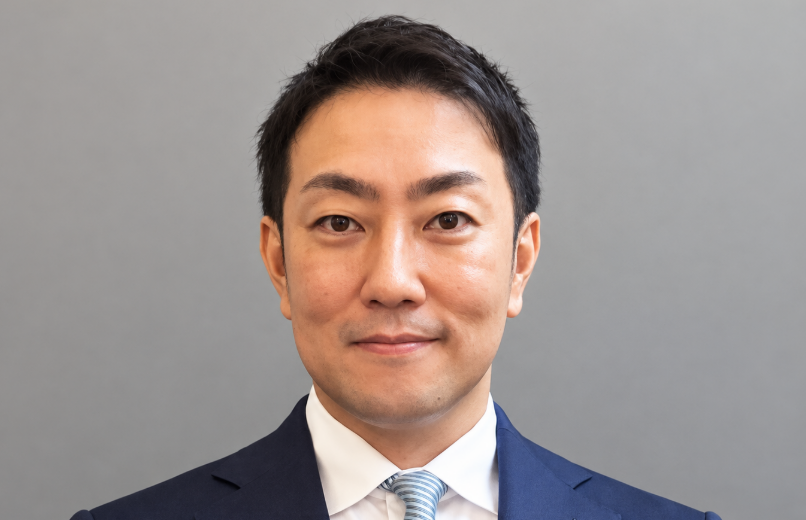
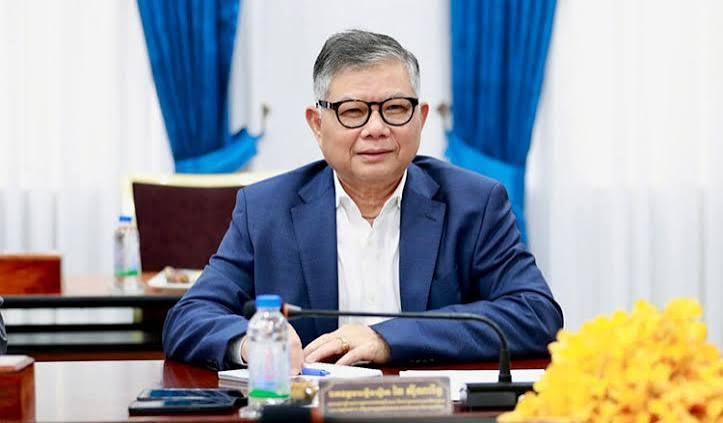
The strongest pro-gaming message came from Shin Jong Ho, Secretary General of the Korea Casino Association (KCA), which represents South Korea’s 18 licensed casinos. Shin argued that casinos should be viewed as a high-value tourism export industry capable of generating employment, infrastructure investment and foreign spending rather than being treated solely as gambling venues.

Shin Jong Ho
According to Shin, South Korea’s casino sector contributed approximately KRW3.23 trillion (US$2.3 billion) in gross gaming revenue during 2024, representing growth of 18.3% year-on-year and exceeding pre-pandemic 2019 levels by 10.1%. He emphasized that the industry channels substantial resources into the Tourism Promotion and Development Fund and the Abandoned Mine Fund, while supporting local economies and tourism development.

Shin also defended South Korea’s regulatory framework, noting that casinos operate under strict AML/CFT requirements, including mandatory customer identification and cash transaction reporting from KRW3 million (around US$1,950), a threshold stricter than international FATF standards. The industry is supervised by the Ministry of Culture, Sports and Tourism, the National Gambling Control Commission, and law enforcement agencies.

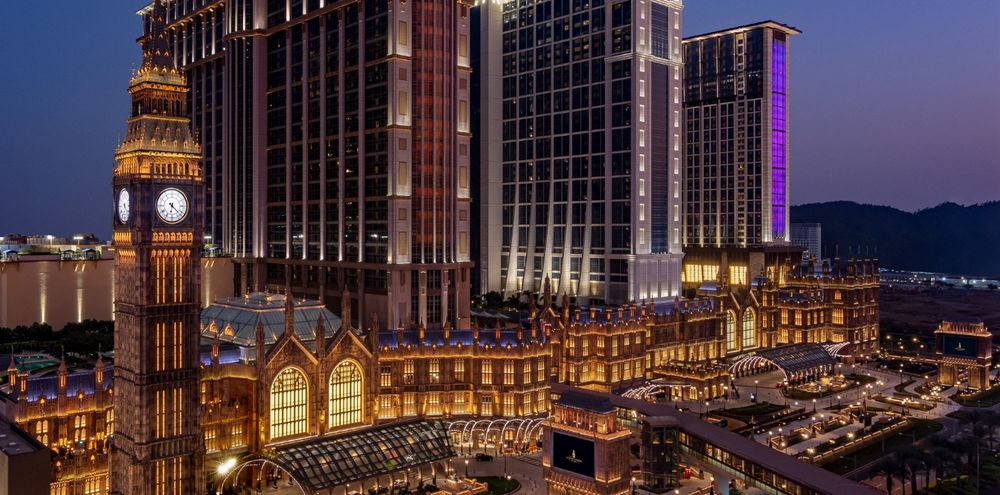
Yet South Korea faces a growing regional challenge. Shin identified MGM Osaka, scheduled to open in Japan in 2030, as the sector’s largest competitive threat, warning it could divert more than KRW5 trillion (US$3.28 billion) annually in spending away from South Korea while attracting both customers and skilled gaming professionals.

The political picture looks far less certain in the Philippines. Senator Risa Hontiveros, one of the leading architects of the country’s anti-POGO movement and author of the Anti-POGO Act of 2025, formally launched the movement “Aton Ini! Risa for 6” on the weekend before June 16, 2026, drawing more than 1,500 supporters and signaling the beginning of a potential presidential campaign.

Hontiveros became one of the most influential figures behind the crackdown on Philippine Offshore Gaming Operators (POGOs), which culminated in former President Ferdinand Marcos Jr. ordering a nationwide ban in 2024 following allegations involving money laundering, human trafficking, kidnapping, fraud and other criminal activities. The campaign directly impacted an industry that, according to PAGCOR Chairman Alejandro Tengco, once included 46 licensed operators, hundreds of illegal offshore businesses and tens of thousands of local and foreign workers.

For Asia’s gaming sector, the contrast is becoming increasingly clear. South Korea is arguing that regulated casinos are strategic economic assets deserving policy support, technological modernization and competitive reforms. In the Philippines, meanwhile, the industry faces the prospect that gaming policy could once again become a major electoral issue, particularly for sectors linked to offshore gaming and cross-border operations.