










The United Kingdom and Austria have intensified their responsible gambling strategies with two developments that place consumer protection back at the center of Europe's regulatory agenda. While the UK Gambling Commission (UKGC) released the official findings of the Gambling Survey for Great Britain (GSGB) 2025, the country's largest study on gambling participation and gambling-related harm, Austrian specialists warned that the 2026 FIFA World Cup has triggered an increase in requests for help related to sports betting addiction, prompting calls for stronger prevention measures.


The UK Gambling Commission, established under the Gambling Act 2005, is currently led by Interim Chair Charles Counsell OBE following the departure of Marcus Boyle, while the GSGB 2025 was published under the Commission's executive leadership. The survey, conducted by the National Centre for Social Research (NatCen) in partnership with the University of Glasgow, interviewed 20,775 adults, with 67% responding online and 33% by post. The findings show that 47% of adults participated in some form of gambling during the previous four weeks.
Excluding only the National Lottery and charity lotteries, participation stood at 27%. Additionally, 38% gambled online and 28% participated in land-based gambling. The survey estimated a 2.4% problem gambling prevalence, while 3.5% were classified as moderate-risk gamblers and 7.8% as low-risk gamblers. These results are expected to shape future regulatory and public health policies across Great Britain.
In Austria, responsible gambling organizations, including Spielerschutz GmbH, warned that the 2026 FIFA World Cup has contributed to a noticeable increase in people seeking assistance for sports betting-related problems. Experts attribute the trend to the rapid growth of mobile betting, intensive advertising during the tournament and the ease of placing live bets.
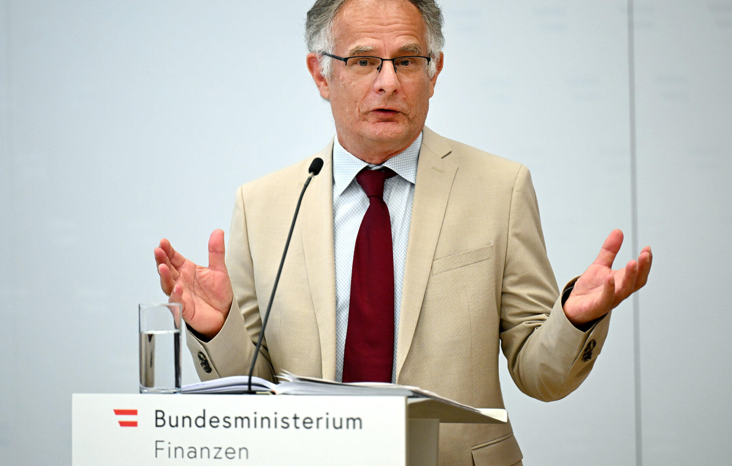
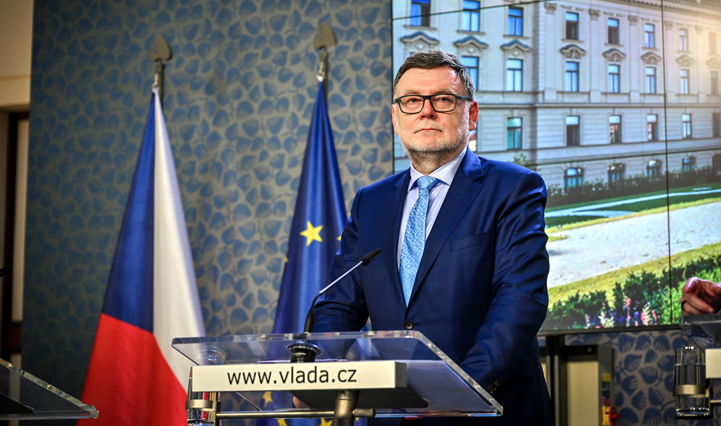
Markus Marterbauer

Gambling regulation in Austria falls under the Federal Ministry of Finance (Bundesministerium für Finanzen), headed by Finance Minister Markus Marterbauer, and is governed by the Austrian Gambling Act (Glücksspielgesetz). Specialists have urged authorities to expand prevention campaigns, strengthen treatment services and reinforce responsible gambling tools, particularly among young men and frequent sports bettors, who remain the most vulnerable demographic during major international sporting events.