










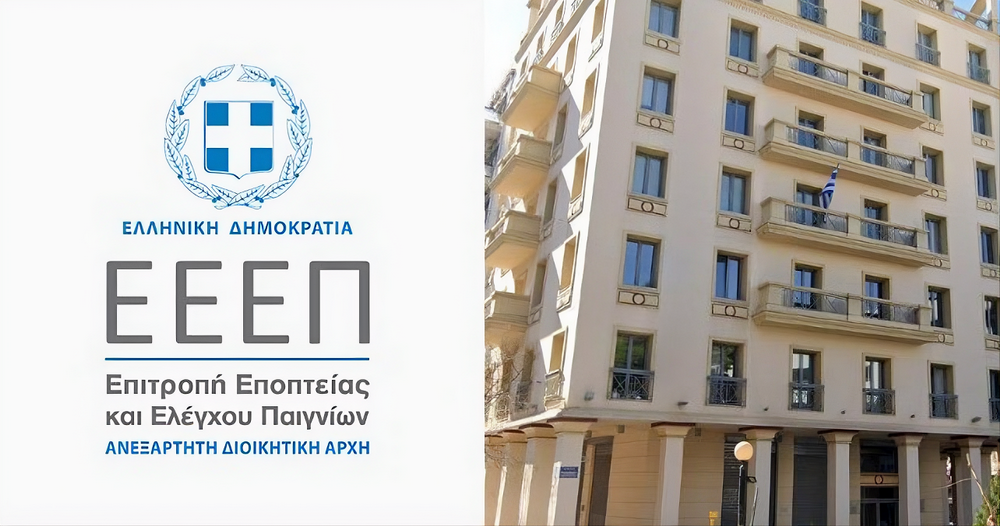
The Hellenic Gaming Commission (HGC/EEEP) has launched a public tender to appoint a specialist partner in cybersecurity, technology and regulatory compliance to strengthen oversight of Greece's regulated online gambling market. Published on 8 July 2026, the procurement is part of a broader strategy to modernize supervision of licensed operators by reinforcing digital player identification and protection against fraud and financial crime.

The contract, valued at €28,500 (excluding VAT), will run until 31 December 2026 or until 190 hours of specialist consulting services have been delivered. The selected contractor will redesign the authentication framework for Electronic Player Accounts (EPAs), the mandatory accounts required to access licensed online gambling platforms in Greece. Responsibilities include strengthening Know Your Customer (KYC) procedures, enhancing anti-money laundering (AML) controls, reducing identity theft risks, preventing underage gambling and delivering three technical reports containing regulatory and technological recommendations for the Commission.
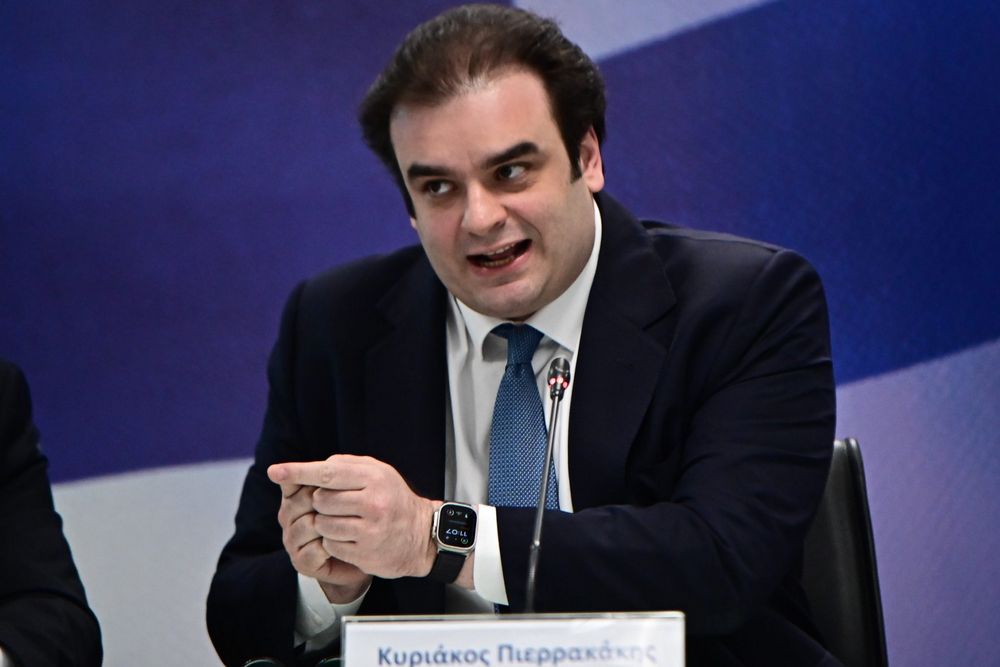
Kyriakos Pierrakakis
The initiative is being led by the Hellenic Gaming Commission (HGC/EEEP), Greece's national gambling regulator responsible for supervising casinos, sports betting, online gaming, poker, VLTs and licensed operators' regulatory compliance. It also forms part of the wider reform promoted by the Ministry of National Economy and Finance, headed by Kyriakos Pierrakakis, which seeks to expand the Commission's enforcement powers across the digital gambling sector.

Among the proposed new powers are broader authority to block illegal gambling operators, coordinate enforcement with internet service providers and financial institutions, and strengthen technological monitoring of the regulated market. The reform responds to the continued presence of the illegal gambling sector despite the HGC having already blocked approximately 11,000 unlicensed gambling websites. Industry estimates indicate that Greece's black market still generates between €1.6 billion and €1.7 billion annually, making cybersecurity one of the regulator's top priorities.

By launching this tender, Greece is taking another step toward modernizing its online gambling oversight framework, raising compliance standards for licensed operators and building a more secure, transparent and resilient digital gaming environment.