









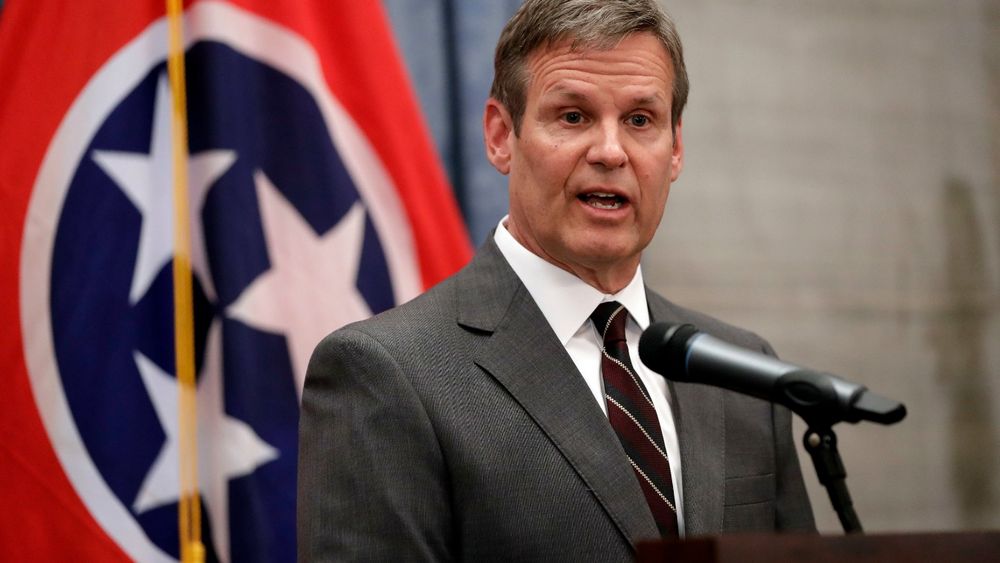
Tennessee is one step away from closing the regulatory loophole that enabled the expansion of online sweepstakes casinos after final approval of Senate Bill 2136 / House Bill 1885 (2026), a reform that bans the operation, promotion, and facilitation of these digital models under the Tennessee Consumer Protection Act of 1977. The House of Representatives adopted the conference committee report on April 24, 2026, with 69 votes in favor, 17 against, and 1 abstention, while the Senate ratified it 25-5, sending the bill to Governor Bill Lee for final signature.

The measure, led by Senator Ferrell Haile and backed by Paul Rose, alongside Representatives Scott Cepicky, Clay Doggett, and Debra Moody, reclassifies sweepstakes casinos as deceptive commercial practices, enabling civil penalties, private rights of action, and injunctive relief. The law also strengthens the authority of Attorney General Jonathan Skrmetti, who will be able to demand documentation, take sworn testimony, and impose fines of up to US$1,000 per document altered, destroyed, or concealed.
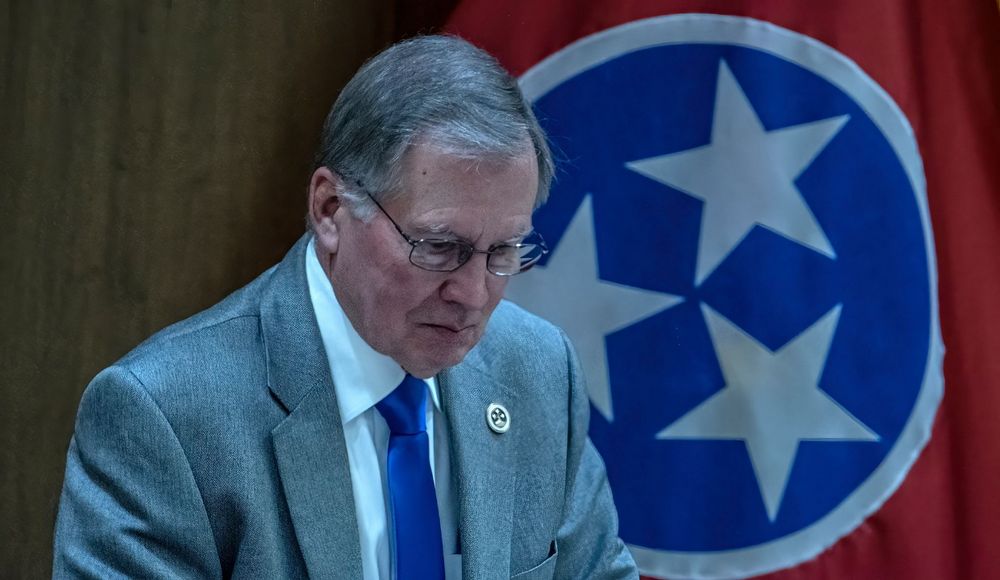
Senator Ferrell Haile
Tennessee maintains its restricted model under the Tennessee Sports Gaming Act, the Fantasy Sports Act, and the Tennessee Education Lottery Corporation, all explicitly excluded from the scope of the ban. The sector regulator, the Tennessee Sports Wagering Council, chaired by William Orgel and led by Executive Director Mary Beth Thomas, will continue overseeing sports betting and fantasy operations.

Senator Paul Rose
The move comes in a market that generated US$573.3 million in gross gaming revenue (GGR) in 2024 on a US$5.26 billion handle, delivering US$97.2 million in tax revenue, rising to US$103.4 million in fiscal year 2024–2025 under a unique 1.85% tax on handle model. In March 2026 alone, the state reported US$562.6 million in wagers and US$10.35 million in tax revenue.
On December 29, 2025, Skrmetti issued cease-and-desist letters to nearly 40 operators, including Chumba Casino, Luckyland Slots, Global Poker, Stake, and WOW Vegas, forcing phased market exits. With the new law, Tennessee shifts from reactive enforcement to explicit prohibition, eliminating the dual-currency model that allowed promotional credits to be converted into cash without licensing or taxation.