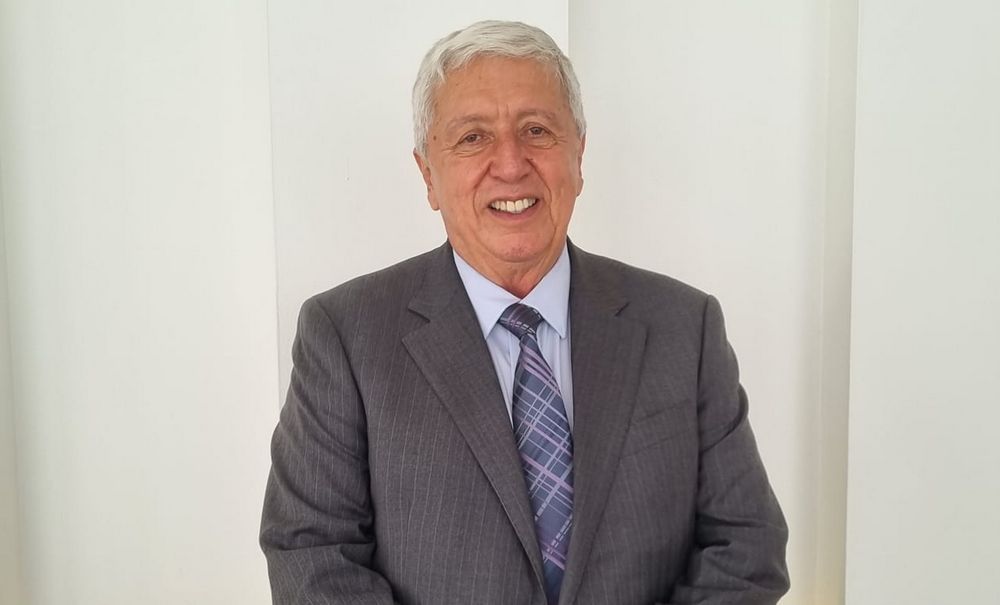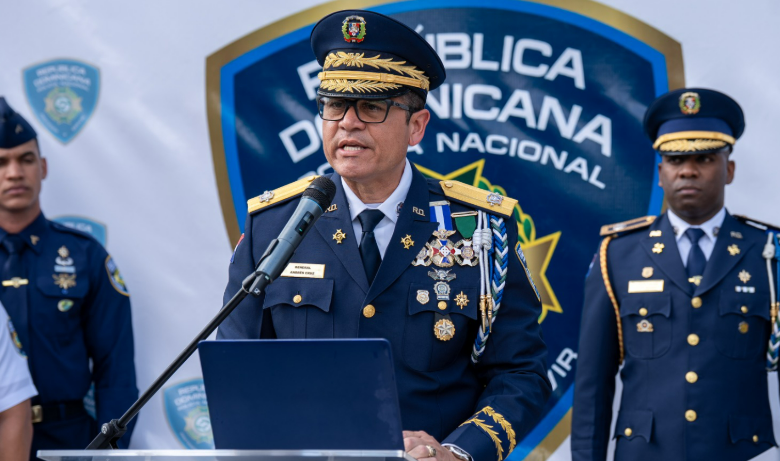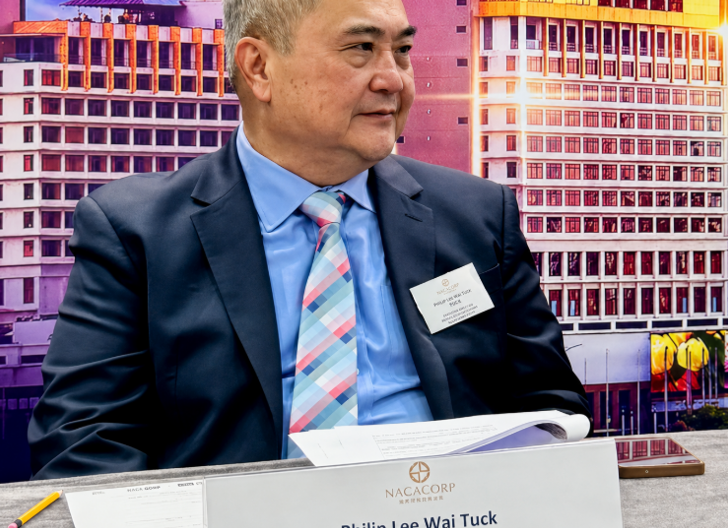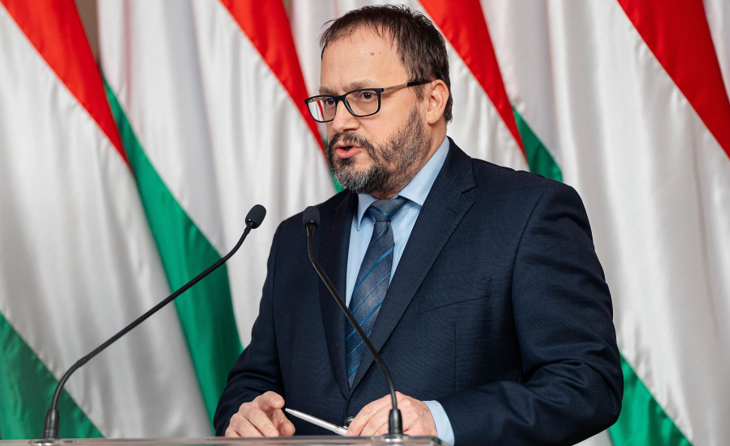






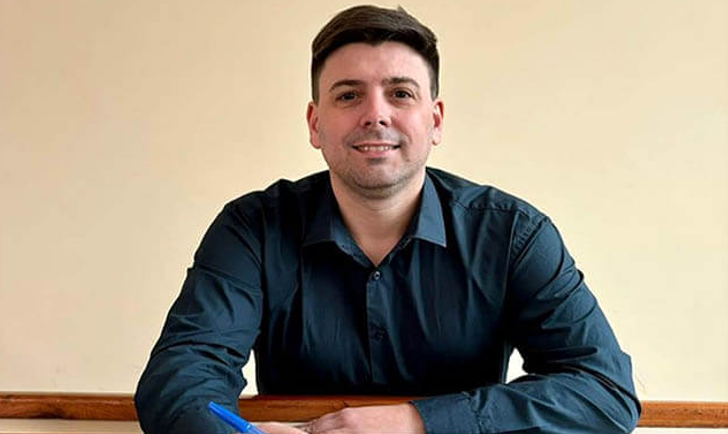
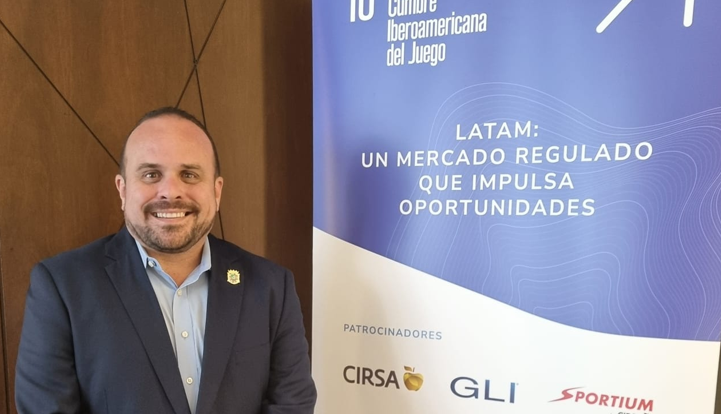
BOGOTÁ; The 10th edition of the Ibero-American Gaming Summit was held on May 5–6 at the Bogotá Marriott Hotel, bringing together regulators, operators and gaming industry authorities from Latin America and Europe. Among the leading participants was Juan Carlos Santaella Marchán, Executive Director of the Puerto Rico Gaming Commission, who attended as a keynote speaker and gave an exclusive interview to Mundo Video focused on regulation, financial oversight, banking relations and the fight against illegal gambling in Puerto Rico.

During the summit, Santaella participated in the panels “Taxation and Fiscal Policy in the Gaming Sector” and “Regulation and Licensing in Latin America: The Stability Framework,” where he addressed the regulated growth of Puerto Rico’s gaming market, enforcement capabilities, route gaming machines, financial oversight and the regional challenges linked to illegal operators, AML controls, sports betting and emerging regulatory models across Latin America

Q: Puerto Rico has strengthened the powers of its agents to control the flow of money in gaming. What specific measures are being implemented within the financial system to block illegal operations and prevent revenue leakage toward unregulated platforms?
A: Puerto Rico is doing many things regarding this issue. As recently as last week, the first public enforcement academy for the Gaming Commission graduated. Participants completed training alongside the Puerto Rico Police and were certified as law enforcement officers.
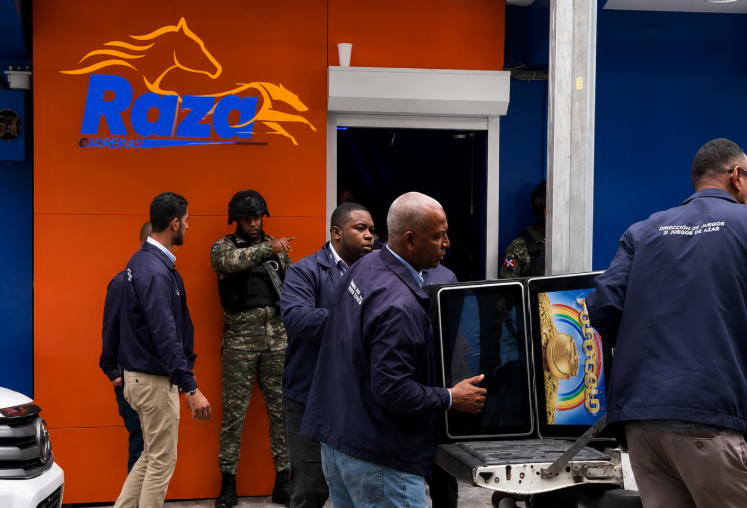
This means they can now conduct investigations directly, request documents and information, and confiscate machines operating illegally. Previously, we depended on working alongside police officers for certain investigative procedures, but now our investigation and regulatory officers have legal authority to act independently. This gives us very important tools to impact businesses directly and strengthen enforcement.
Regarding the financial system, we have implemented a constant system of fines and confiscations, which has pushed many business owners to remove illegal operators and migrate toward legal operators.
When we began operations in early July last year, only around 9,000 machine licenses were sold. After all the enforcement actions and the fine system, today we are above approximately 23,500 licensed route gaming machines operating across Puerto Rico.
This has generated more than US$32 million in new money for the government, resources that have been allocated to the Police Retirement Trust, municipalities and strengthening the Gaming Commission’s enforcement capabilities.
Q: Puerto Rico combines differentiated tax rates, has this structure been effective in maximizing tax collection without affecting market competitiveness?
A: The Gaming Commission regulates four verticals. That 7% retail and 12% online structure specifically applies to sports betting.
Sports betting is relatively new in Puerto Rico. The first operator launched in 2022. Last year alone, the market handled approximately US$300 million in sports betting wagers, with a GGR close to US$30 million.
That represented approximately US$2 million in tax revenue for the government. Currently, the market distribution is approximately 20%–25% retail betting and 75%–80% online betting.
Regarding land-based casinos, following the recent opening of the Vivo Beach Club San Juan gaming venue, Puerto Rico now has 21 gaming halls operating.
In slot machines, the government essentially operates as a partner with casinos. Approximately 50% of slot machine profits are shared with the State, generating around US$185 million in economic impact. Those resources benefit the University of Puerto Rico, tourism development programs and the Treasury Department.
As for route gaming machines, which have been one of our biggest fiscal challenges, each operator pays 22.5% of machine profits every two weeks.
The distribution works as follows: 55% goes to the Puerto Rico Police Retirement Trust and 40% goes to municipalities. This has helped offset historic deficits in pensions and municipal revenues.

Q: What are Puerto Rico’s objectives at this summit and what do you hope to take away from it?
A: The summit represents a unique opportunity to share experiences with regulators from Latin America, Europe and other jurisdictions. Here we exchange ideas about what has worked, what has not worked and different regulatory models that, while different, also share many similarities.
Today we participated in a regulators-only meeting where topics such as prediction markets, Polymarket, illegal online gambling markets and regulatory control strategies were discussed.
Although iGaming is still not legalized in Puerto Rico, we closely monitor how international markets evolve and what other jurisdictions are doing.
Q: Colombia is currently considered one of the leading iGaming regulatory models in Latin America. Which elements of the Colombian system could be adapted to Puerto Rico?
A: We constantly analyze Colombia’s work. iGaming is still not legalized in Puerto Rico, but Colombia has become an important benchmark regarding route gaming regulation.
We also observe models such as Peru and other Latin American jurisdictions.
Puerto Rico’s participation in these types of summits over recent years has been key to understanding what works, how it works and how to adapt successful regulatory practices to our local reality.
Many of the advances we have achieved in the route gaming market come precisely from that international exchange of regulatory experiences.
Q: How is the current relationship between the regulator and the banking system in Puerto Rico?
A: The relationship with banks and financial regulators is very close.
All casino venues in Puerto Rico require regulatory endorsements and we work directly with OSIF, which is Puerto Rico’s financial institutions regulator.
OSIF supervises everything related to anti-money laundering compliance and we maintain constant coordination with them.
Since taking office as executive director, we have significantly strengthened interagency communication to ensure operators remain compliant and maintain access to banking services, something that had previously been difficult for parts of the industry.
All of this requires constant training, regulatory programs, AML seminars, anti-money laundering workshops and compliance education not only for the Commission but also for operators benefiting from the regulated market.
Juan Carlos Santaella’s participation at the 10th Ibero-American Gaming Summit reinforced Puerto Rico’s position as one of the Caribbean’s most active jurisdictions in gaming enforcement, route machine regulation, financial oversight and institutional strengthening of the legal gaming market.