






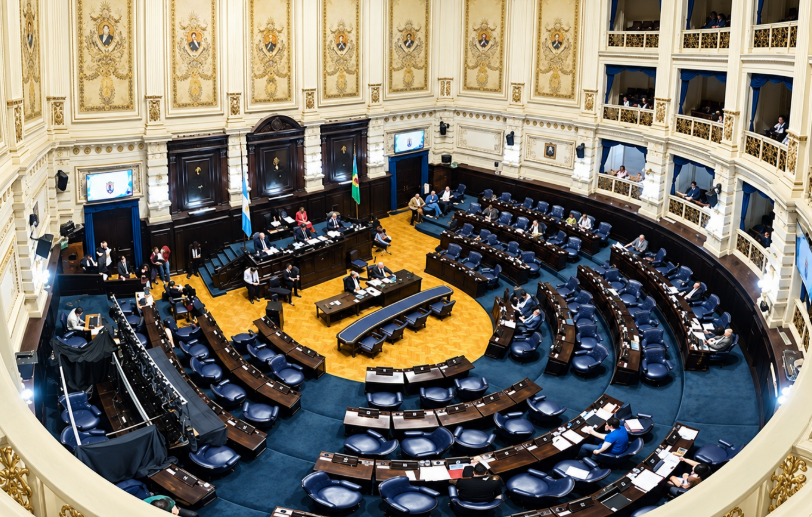








The approval of Law No. 16.508/2026 of the State of Rio Grande do Sul, enacted on April 24, 2026, by Governor Eduardo Leite and in force since its publication on April 27, 2026, has triggered a regulatory conflict now heading to the courts and reshaping Brazil’s betting market. The rule, derived from Bill 408/2025 introduced by state deputy Tiago Simon (MDB), imposes strict limits on advertising by fixed-odds betting operators within the state.

The core of the law is to reduce market exposure, because it bans advertising targeting minors, restricts ads on television, radio and streaming to the 9:00 p.m. to 6:00 a.m. window, mandates visible warnings covering at least 15% of ad space about addiction and debt risks, and limits sports sponsorships to brand identification only, eliminating aggressive promotional messaging. It also prohibits the use of characters, animations or artificial intelligence with youth appeal and extends joint liability to operators, agencies, digital platforms and media outlets.

Tiago Simon
Enforcement falls under PROCON-RS, which can order the removal of non-compliant campaigns, impose fines under Brazil’s Consumer Defense Code, suspend advertising for up to 180 days, and even cancel state registrations in cases of repeated violations. Companies have a 120-day transition period, pushing full compliance to approximately late August 2026.

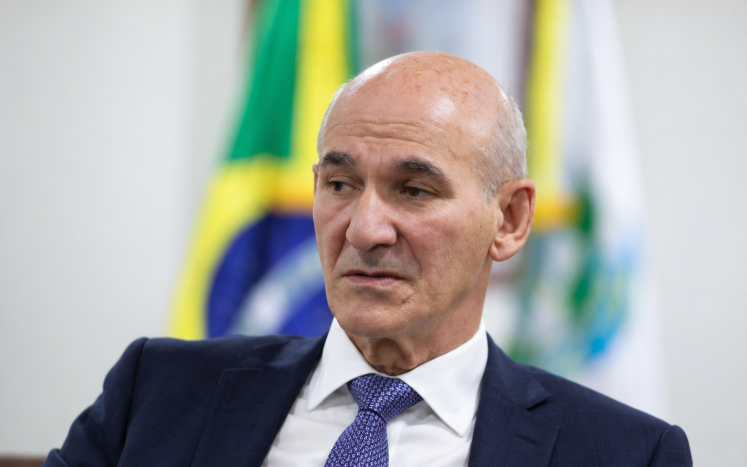
Dario Durigan
The dispute arises because Brazil’s betting market is federally regulated under Law No. 14.790/2023, overseen by the Secretariat of Prizes and Betting of the Ministry of Finance, led by Daniele Correa Cardoso, under Finance Minister Dario Durigan. The Brazilian Association of Radio and Television Broadcasters (ABERT) and industry groups argue the state law oversteps federal authority and fragments the market, preparing legal action to block its enforcement.

Brazil has approximately 25.2 million bettors, a gross gaming revenue near R$37 billion, and around R$9.95 billion in tax collection, making advertising restrictions a direct lever on revenue, user acquisition and competition between licensed operators and illegal offshore platforms. The central risk is that fragmented regulation reduces visibility for licensed operators and shifts demand toward unregulated markets, weakening tax collection and state oversight, while other states watch closely whether to replicate the model or await a court ruling that will define the real scope of this law.