










Colombia’s outgoing government is seeking to impose a permanent 19% VAT on games of chance operated exclusively online from 2027. The measure forms part of its fifth tax reform, filed before the new Congress on 20 July 2026, targeting COP21.8 trillion in additional revenue next year.

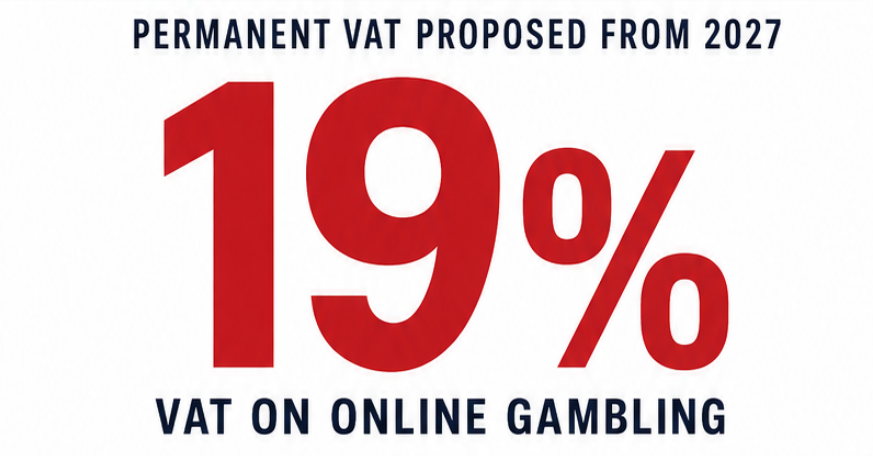
Online gambling would generate COP1.7 trillion, approximately 7.8% of the reform’s total projected revenue. This represents an average of around COP141.7 billion per month, although actual collections will depend on the taxable base, deposit activity and whether players remain within the regulated market.

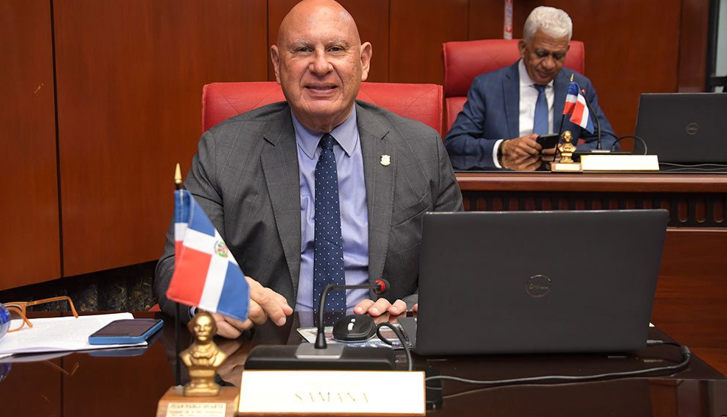
Carlos Emilio Betancourt Galeano
The proposal would remove the exclusion currently granted to internet-only gambling under Article 420 of Colombia’s Tax Code. It would cover companies licensed domestically and foreign operators serving Colombian players. Operators would be responsible for declaring and transferring the tax under the supervision of DIAN, headed by Carlos Emilio Betancourt Galeano.

The bill must resolve a critical financial question; whether VAT will be calculated on deposits, total wagers or GGR —stakes minus prizes paid—. Under the system applied in 2025, a COP100 deposit left approximately COP84 available to gamble, with nearly COP16 absorbed by VAT.

Germán Ávila Plazas
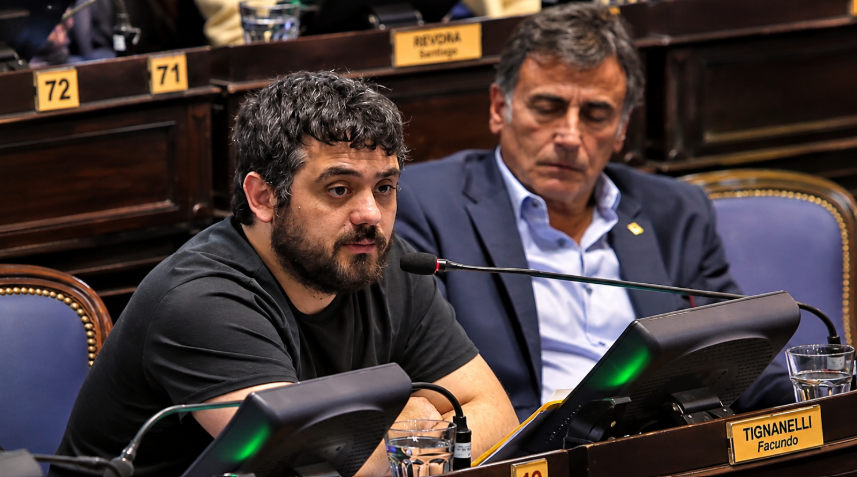
The Ministry of Finance, headed by Germán Ávila Plazas, argues that the tax would not have a direct inflationary effect because online gambling is not included in the household basket used by DANE, led by Piedad Urdinola Contreras, to calculate the Consumer Price Index.
Finance officials also claim that gross betting revenue increased by more than 20% in nominal terms through June 2025, despite the tax introduced during the state of internal disturbance. However, the document does not clarify whether this growth refers to deposits, accumulated wagering or GGR.

Market size varies substantially depending on the metric. For 2023, sector analyses calculated approximately COP45 trillion in accumulated wagers, COP7.5 trillion in deposits and COP2.7 trillion in GGR. Around COP420 billion was subsequently transferred to healthcare. Treating wagering volume as revenue can overstate the market because the same funds may be wagered repeatedly.

Piedad Urdinola Contreras
Colombia has already tested three different tax structures. Decree 0175 of 2025 imposed 19% VAT on deposits from 22 February through 31 December 2025. Decree 1474 of 2025 moved the taxable base to GGR for 2026, but the Constitutional Court struck it down through Ruling C-079 of 2026. Since 13 March, Decree 240 of 2026 has temporarily imposed a 16% national consumption tax on deposits, which remains subject to constitutional review.
The previous fiscal model projected collections of COP1.6 trillion in 2026, COP1.73 trillion in 2027, COP1.84 trillion in 2028, COP1.95 trillion in 2029 and COP2.07 trillion in 2030. The new COP1.7 trillion projection for 2027 remains close to that trajectory.

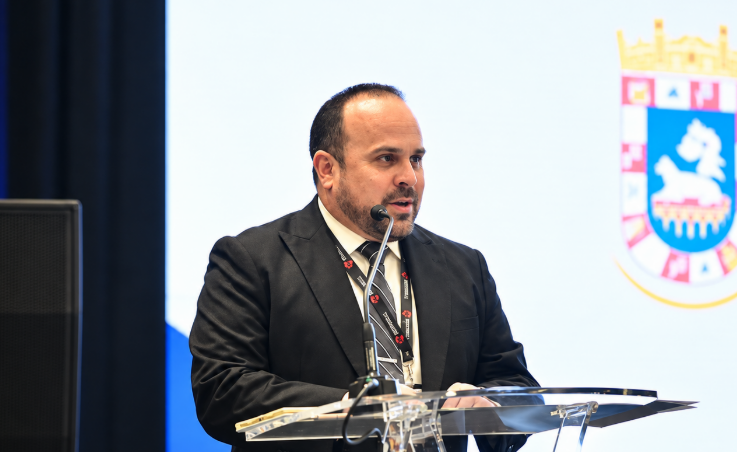
Evert Montero Cárdenas
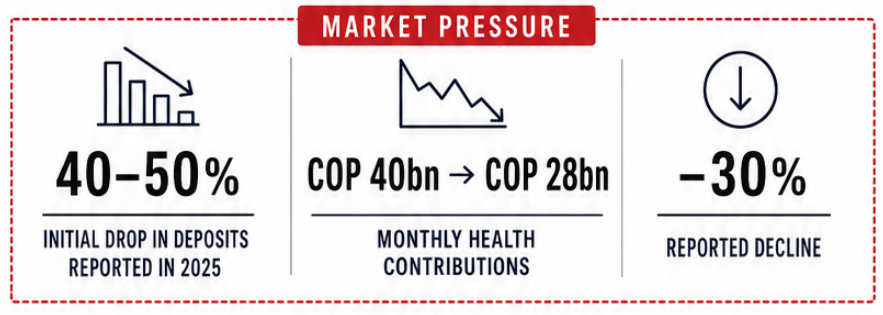
Fecoljuegos, chaired by Evert Montero Cárdenas, says the 2025 VAT initially reduced deposits by between 40% and 50%. Monthly healthcare contributions reportedly fell from more than COP40 billion to approximately COP28 billion, a decline of around 30%. Licensed operators already pay exploitation rights equal to 15% of GGR, in addition to corporate income tax and other obligations.
Coljuegos, headed by Marco Emilio Hincapié Ramírez, reported that total gambling revenue allocated to healthcare increased from COP753 billion in 2022 to COP1.06 trillion in 2025. The regulator has also issued 46,228 blocking orders against illegal gambling websites since 2022, a risk the industry considers critical when assessing any tax increase.

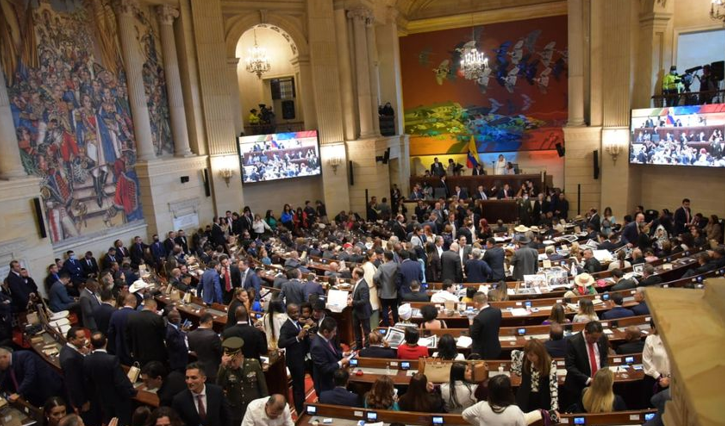
The proposal must pass the economic committees and plenary sessions of both the House and Senate, followed by reconciliation if the approved texts differ. The incoming government will take office on 7 August and may support, amend or withdraw the bill before the permanent VAT can take effect in 2027.