










Turkey accelerated its 2026 crackdown on illegal betting through artificial intelligence, machine learning and automated transaction analysis, a strategy that has already helped authorities trace TRY84.293 billion, identify thousands of bank accounts and expand digital blocking measures under the country’s 2025-2026 national action plan against illegal betting, games of chance and online gambling.

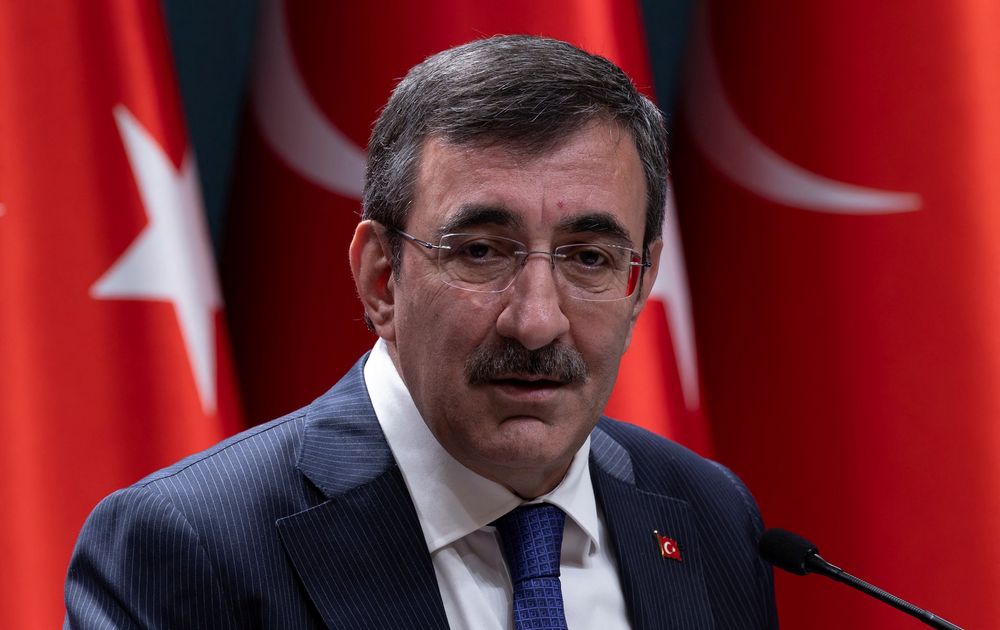
The program, coordinated by the government under Vice President Cevdet Yılmaz, includes 71 measures and combines actions by the Ministry of Treasury and Finance, headed by Mehmet Şimşek; financial intelligence unit MASAK, chaired by Hasan Kaymak; the Ministry of Interior, led by Mustafa Çiftçi; the National Police, headed by Ali Fidan; the Gendarmerie, commanded by Ali Çardakcı; and the Ministry of Justice under Akın Gürlek. The technological scale became clear on July 14, 2026, when an investigation centered in Gaziantep, with operations across 45 provinces, used an AI-supported data-analysis program. The system examined 3,127,307 transactions worth TRY84,293,213,000, identified 330 suspects and initially resulted in the detention of 190 people.
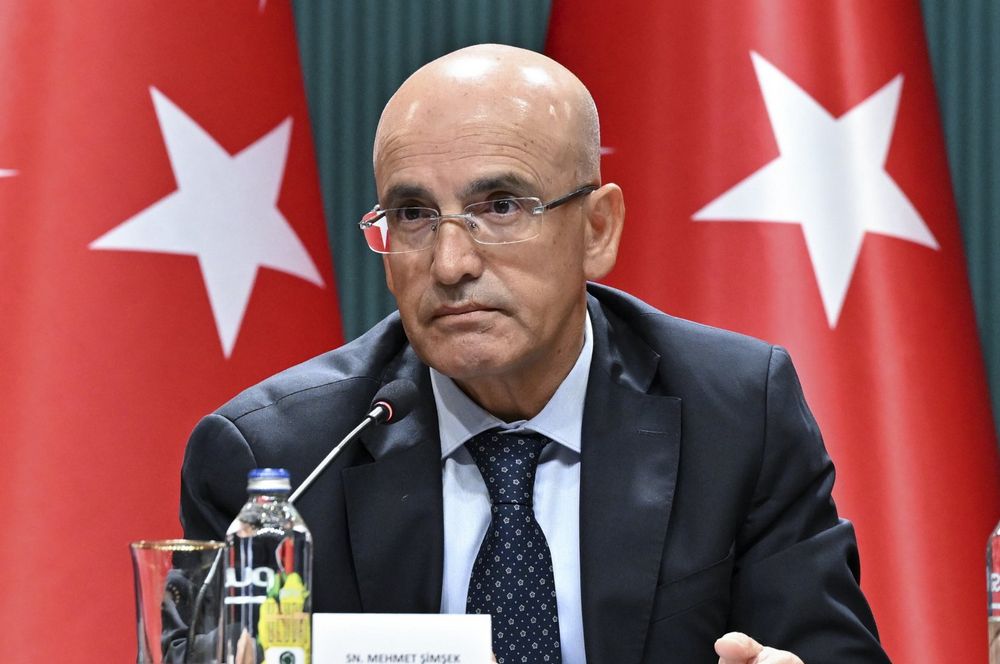
Mehmet Şimşek
Another tool, known as AVCI, identified 6,314 bank accounts across 32 banks allegedly linked to illegal betting. The accounts were simultaneously blocked, while authorities also targeted 19 external financial centers.
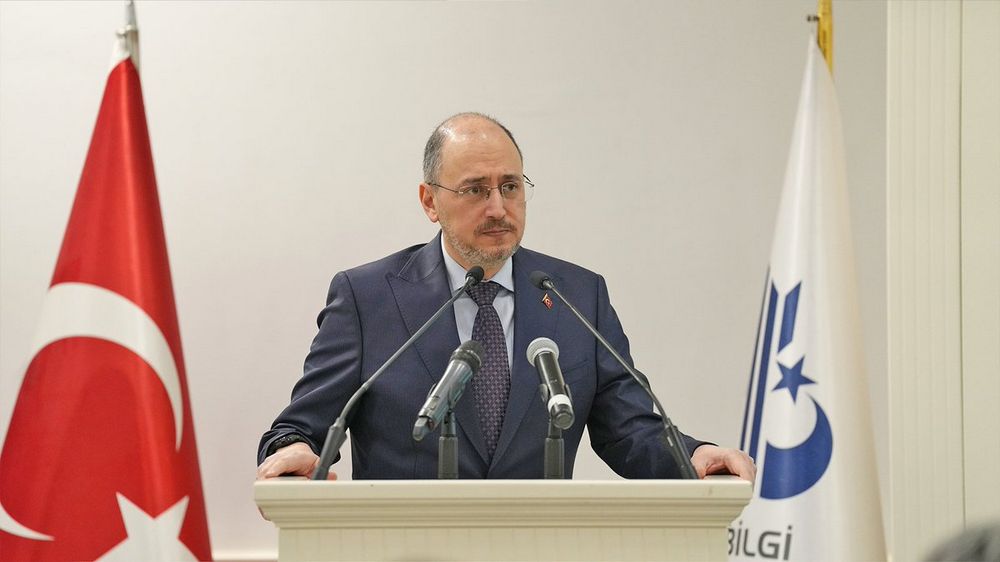
Ömer Abdullah Karagözoğlu
The digital offensive also uses Deep Packet Inspection, IP tracking, pattern recognition, network analysis, reused-code detection and social-media monitoring. The Milli Piyango İdaresi forwards illegal websites to telecommunications regulator BTK, chaired by Ömer Abdullah Karagözoğlu, for access restrictions under Law No. 5651. Turkey had already referred 168,000 websites for blocking in 2023, 232,000 in 2024 and nearly 65,000 during the first five months of 2025. From August 1, 2026, the country also expanded advertising restrictions targeting the promotion of illegal betting and gambling.

The enforcement framework relies on Law No. 7258, Law No. 5549 on anti-money laundering, Criminal Code No. 5237 and Law No. 5651. Authorities have not disclosed a specific investment figure, external technology provider or contractual budget for the AI systems currently being deployed.