












The Alabama-Coushatta Tribe of Texas officially opened the new Naskila Casino Leggett on August 25, 2026, a temporary 24/7 gaming facility that will operate while construction advances on the future Naskila Casino Resort in East Texas.
- Texas expands tribal gaming with new casino project

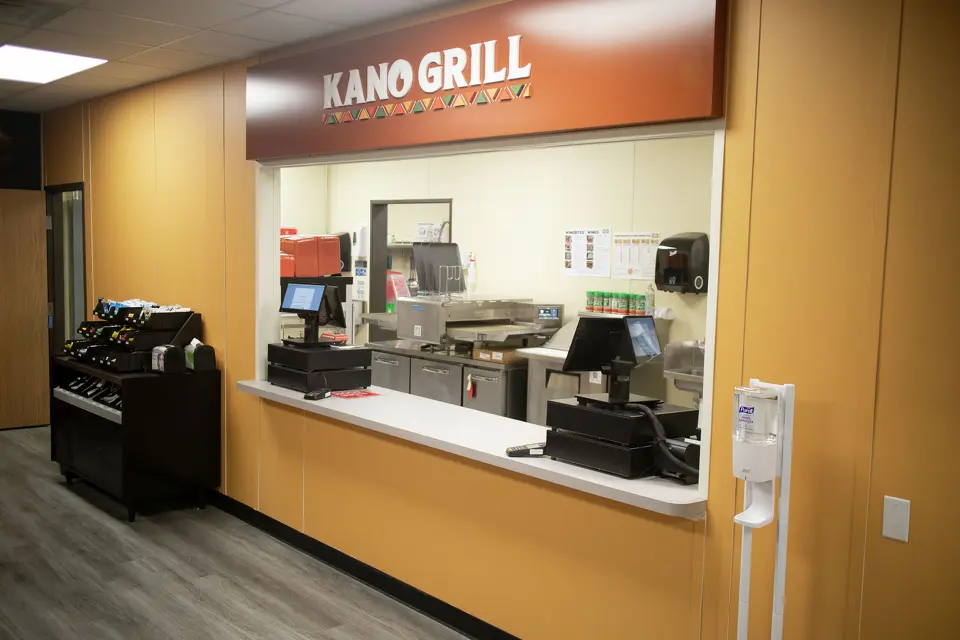
The casino is located on tribal land in Leggett, near Livingston, and opened with more than 300 Class II electronic bingo machines, separate smoking and non-smoking areas, the Seven Feathers Players Club, the Kano Grill operating 24 hours a day, a beverage station and around 300 parking spaces. The opening is also creating approximately 110 new jobs.
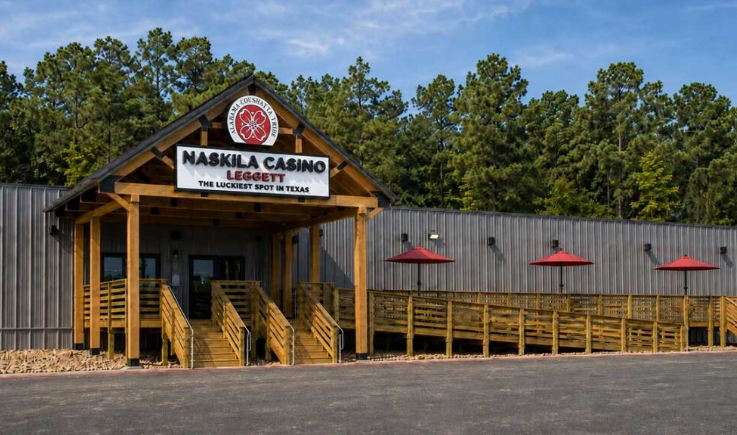
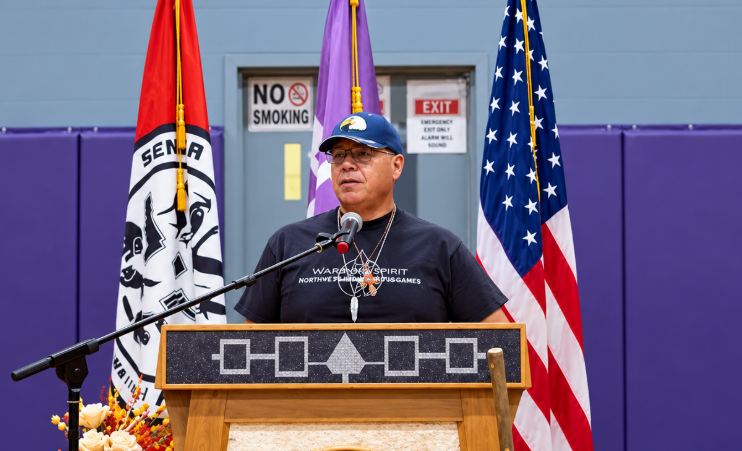
The ceremony included an official blessing and participation from tribal leadership. Current officials include Donnis B. Battise, Principal Chief; Herbert Johnson Jr., Second Chief; Ricky Sylestine, Chairman of the Tribal Council; Nita Battise, Vice Chair; Melanie Battise, Secretary; Crystal Stephenson, Treasurer; and council members Yolanda Poncho, Tina Battise and Cecilia Flores. The casino’s operations are led by Keith Sherer, General Manager of Naskila Casino.

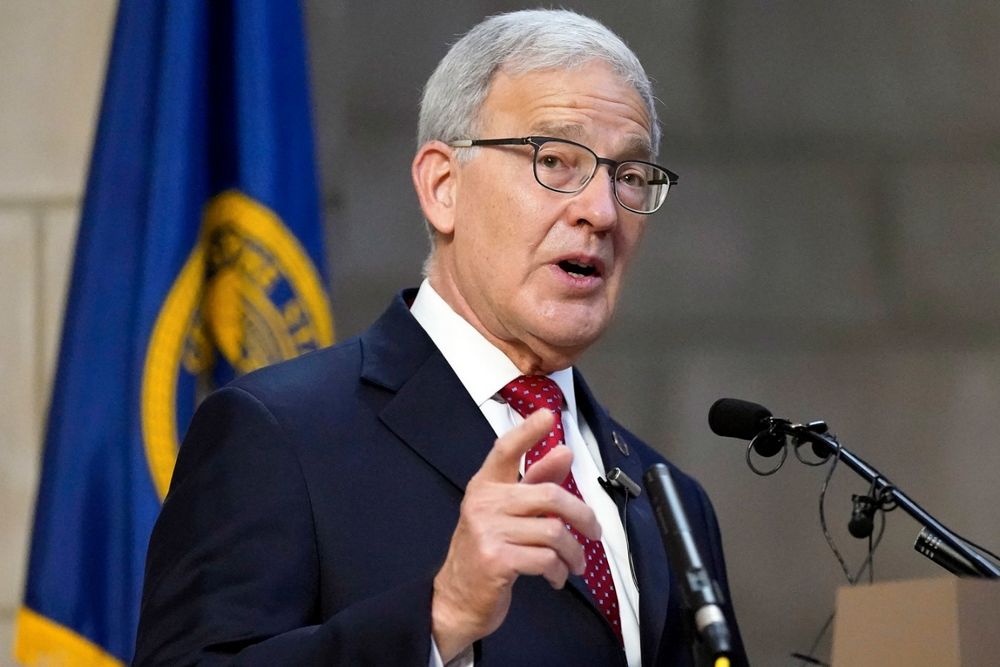
Chief Donnis B. Battise
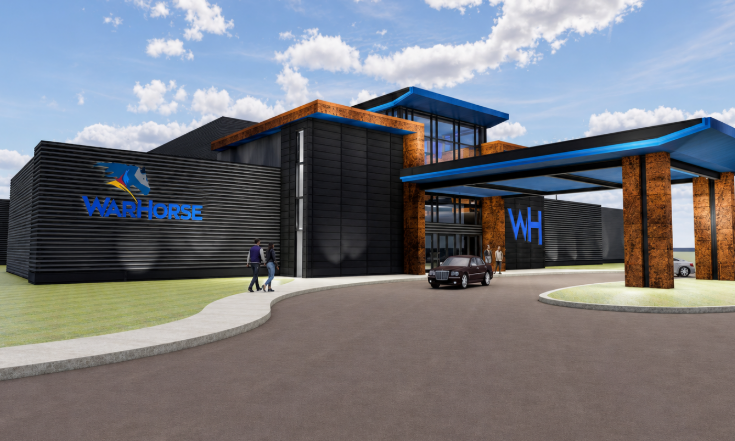
The bigger step comes next. Construction of the permanent resort officially began on June 18, 2026, on a 95-acre site and is planned to cover around 685,000 square feet. Its first phase will include approximately 3,400 electronic bingo machines, smoking and non-smoking gaming areas, a high-limit VIP section, a 366-room hotel, restaurants, bars, lounges, a food hall, a resort-style pool and 35,000 square feet of MICE space, including a ballroom for around 1,000 people.

The complex was designed with JCJ Architecture and is being built with Yates Construction, incorporating visual references to Alabama-Coushatta culture and the Big Thicket landscape. Phased opening is expected to begin in late 2028. The tribe has not disclosed an official total CAPEX. Naskila’s current operations generate around US$251.7 million in annual economic impact, support more than 1,000 permanent jobs and account for more than US$8 million a year in purchases from Polk County suppliers.