












Illinois closed June 2026 with $2.973 billion wagered through video gaming terminals and, weeks later, incorporated gambling disorder into its public addiction-treatment system. The convergence exposes both sides of the market; a distributed network spanning 8,744 establishments and 49,738 machines, alongside a healthcare infrastructure attempting to respond to gambling’s expansion.

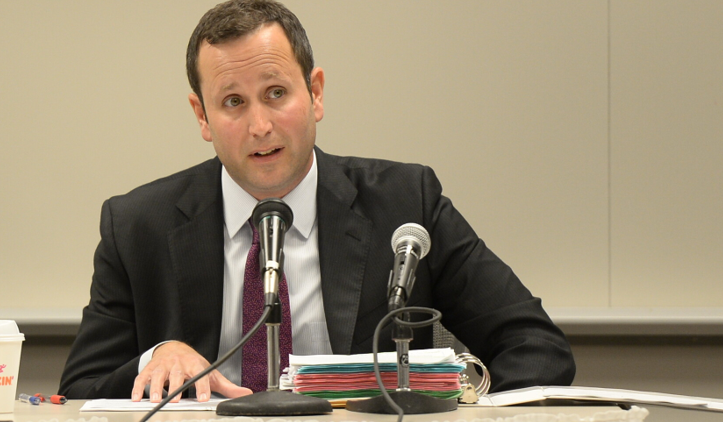
The Illinois Gaming Board, administered by Marcus D. Fruchter and chaired by Dionne R. Hayden, recorded $2.698 billion in player winnings, $275.5 million in net terminal income — NTI — and $96.4 million in taxes. Of that tax burden, $82.7 million went to the state and $13.8 million to local governments. Compared with June 2025, wagering increased 6.68%, NTI climbed 8.74%, and the network added 462 terminals.

Springfield led the market with $4.67 million in NTI, followed by Decatur at $3.91 million; Rockford at $3.56 million; Joliet at $3.11 million; and Cicero at $3.07 million. The calculated player-return rate was approximately 90.73%, while each machine generated average monthly NTI of $5,539.79.

The terminals are regulated under the Video Gaming Act, 230 ILCS 40. Bars, restaurants, truck stops, and fraternal or veterans’ organizations may operate up to six machines, while large truck stops may install up to 10. The maximum wager is $4, the maximum award on an individual play is $1,199, and jackpots can reach $10,000. The tax remains 35% of NTI.

Governor JB Pritzker
On July 24, Governor JB Pritzker signed Senate Bill 2749, enacted immediately as Public Act 104-0626. Senator Julie A. Morrison introduced the measure, with Suzanne Glowiak Hilton, Elgie R. Sims Jr., and Cristina Castro as Senate co-sponsors. Representative Daniel Didech led the bill in the House. It passed the Senate 57-0 and the House 100-11.
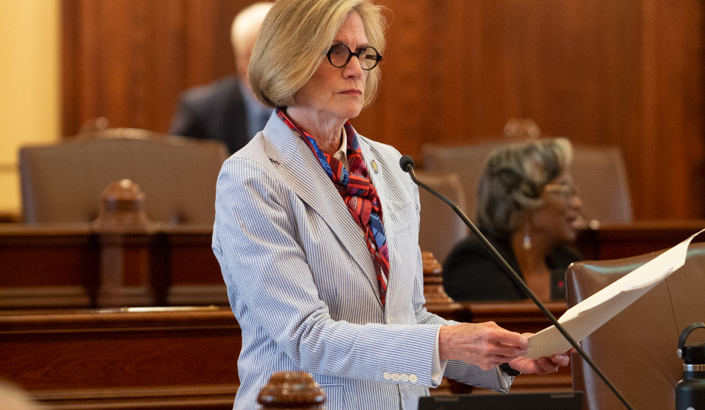
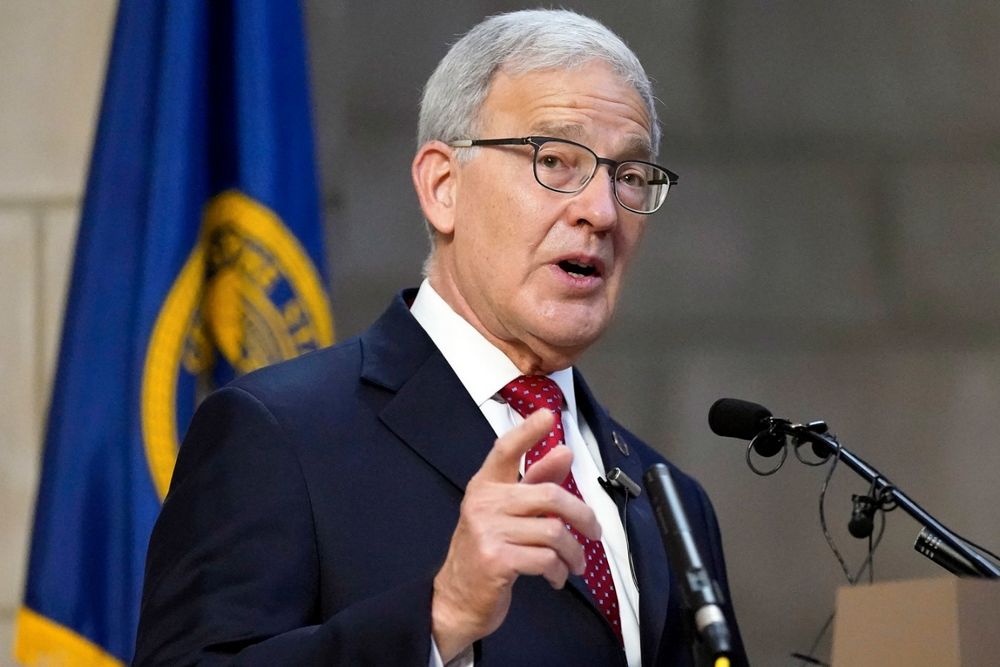
Suzanne Glowiak Hilton
The law amends the Substance Use Disorder Act, 20 ILCS 301, authorizing the Department of Human Services, led by Secretary Dulce M. Quintero, to fund outpatient, inpatient and residential treatment, prevention, professional training, local grants, and gambling-specific care independent of substance addiction. It also requires assistance notices at gambling venues, websites and applications, introduces school-based prevention with State Superintendent Tony Sanders, and addresses gambling-related suicide risks.

The statute provides no new appropriation or automatic Medicaid coverage. The previous budget allocated $15 million, less than one-sixth of the VGT taxes generated during June alone.