













Kazakhstan has launched a new financial enforcement crackdown against illegal gambling after ordering mobile operators to block payments linked to unlicensed betting and casino platforms, a move designed to strengthen the regulated market and tighten control over offshore gaming flows.

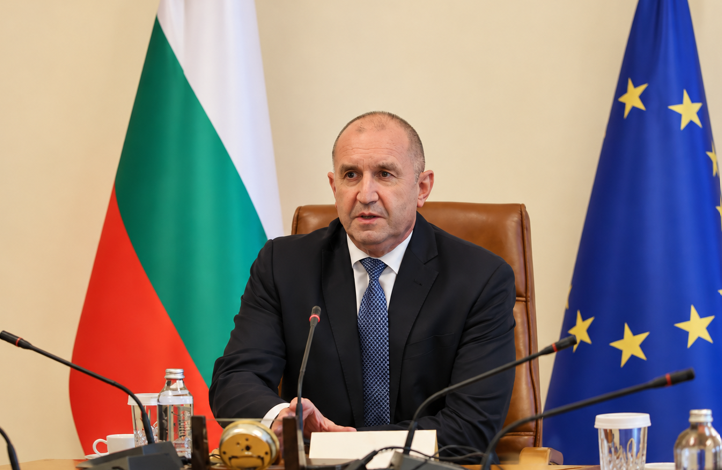
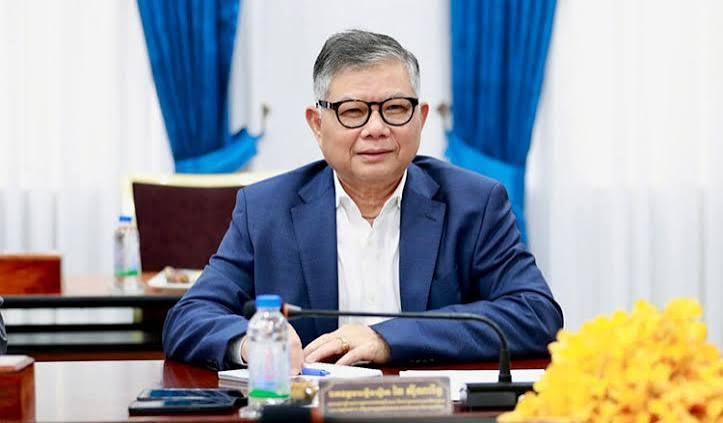
The decision emerged on May 6 after the Financial Monitoring Agency of Kazakhstan confirmed tests conducted on April 7 across 10 illegal gambling platforms where users were able to deposit funds using mobile balance services from Tele2, Beeline, Kcell and Activ. Authorities determined that illegal operators were exploiting mobile payment infrastructure to bypass traditional banking oversight and AML/KYC controls. The agency, chaired by Zhanat Elimanov, ordered telecom companies to implement systems capable of detecting and blocking suspicious gambling-related transactions in real time, escalating the country’s broader anti-illegal gaming enforcement strategy.

Zhanat Elimanov
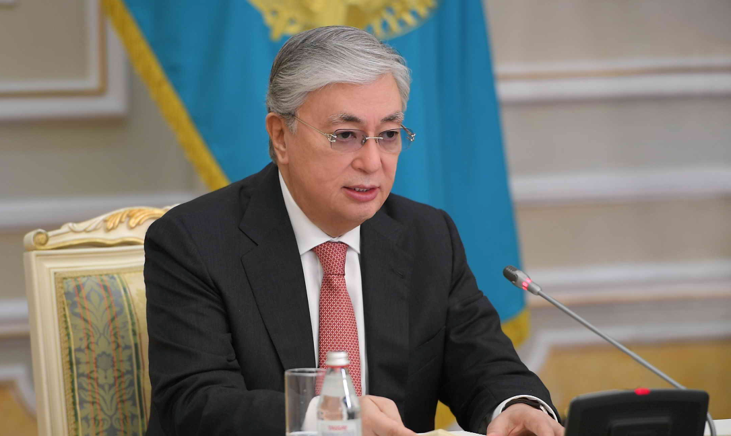
The legal framework is based on Kazakhstan’s Law “On Gambling Business” No. 219-III (2007) and amendments signed in July 2024 by President Kassym-Jomart Tokayev, which tightened advertising restrictions, expanded player protection measures and reinforced state powers against offshore operators. The initiative is coordinated with the Ministry of Tourism and Sports of Kazakhstan, led by Minister Yerbol Myrzabossynov, alongside the Gambling Business and Lottery Regulation Committee established in September 2024.
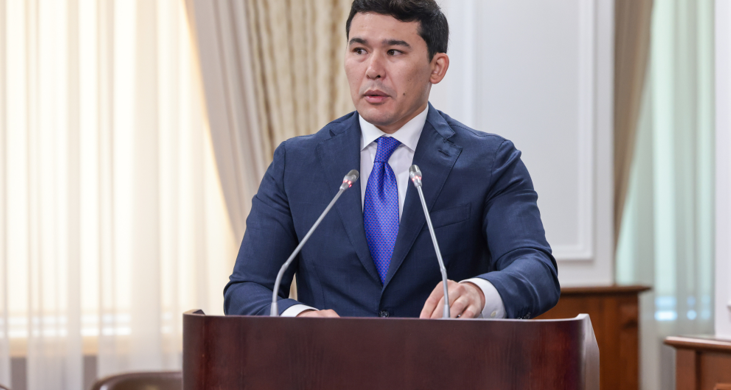
Minister Yerbol Myrzabossynov
Kazakhstan’s regulated gambling market generates approximately 1.3 trillion tenge annually, equivalent to roughly US$2.5 billion, while authorities estimate that hundreds of thousands of players continue using illegal operators that contribute no taxes and provide no responsible gaming safeguards.

Authorities are now accelerating deployment of the ESU — Unified Betting Accounting System, a centralized monitoring platform designed to verify player identity, track betting activity, impose gambling limits and block suspicious transactions, while the country simultaneously expands tourist-focused casino zones aimed at attracting regulated international gaming investment.