





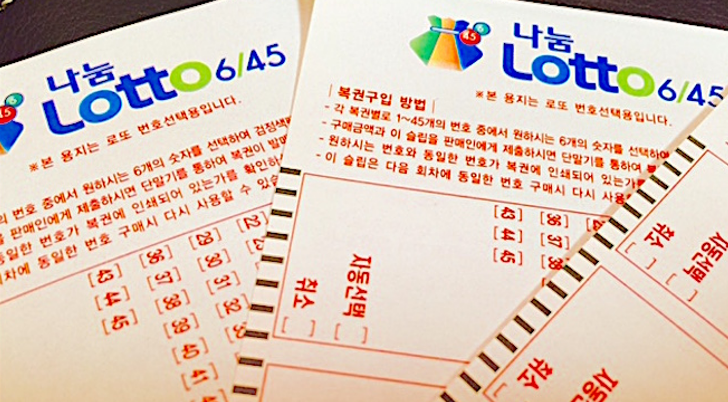
South Korea is accelerating the growth of its gambling industry through a dual engine: sustained expansion of the public lottery and a strategic push for international tourism-driven casinos, within a tightly regulated model that combines state control and selective monetization. The government projects lottery sales will reach approximately US$5.7 billion in 2027, a 4% year-on-year increase, consolidating a market that has nearly tripled since 2015, when it stood at around US$2.0 billion.

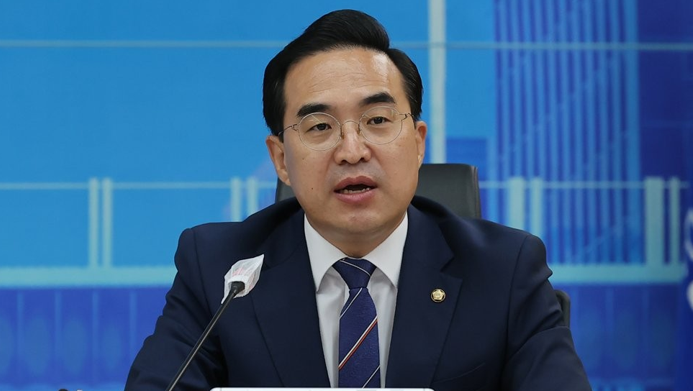
The system is overseen by the Lottery Commission, under the Ministry of Planning and Budget, led as of April 2026 by Park Hong-keun, within President Lee Jae Myung’s administration. Net proceeds after prize payouts are estimated at approximately US$2.3 billion in 2027, allocated to social programs including mobility support for people with disabilities, assistance for vulnerable youth, and healthcare for elderly citizens living alone. The portfolio remains stable with 12 lottery products, including Lotto 6/45, with no price changes, indicating growth driven by increased demand and market penetration.
On the corporate front, Grand Korea Leisure (GKL), the state-backed casino operator behind the Seven Luck brand, has launched a strategy to recruit “VIP gaming partners” and expand into emerging markets such as Taiwan, Thailand and Mongolia. The company, led by Yoon Doo-hyun and controlled by the Korea Tourism Organization (KTO); under the Ministry of Culture, Sports and Tourism (MCST), headed by Chae Hwi-young, aims to increase revenues from approximately US$287.7 million in 2025 to about US$340 million by 2030.

Casinos are permitted under the Tourism Promotion Act, but are exclusive to foreign visitors, except for Kangwon Land, the only venue where locals are allowed to gamble. Oversight is handled by the National Gambling Control Commission, while the Game Rating and Administration Committee (GRAC) regulates content and the MCST drives the tourism strategy.

The gaming scene in Korea is moving on two fronts; strong growth in lottery revenues as a fiscal pillar, and controlled expansion of casinos as a tourism lever. South Korea is not liberalizing domestic gambling, but is expanding monetization through international visitors, VIP junkets and cultural tourism integration. What comes next is deeper alignment between tourism and gaming, increased AML scrutiny on VIP players, and consolidation of a market where growth is allowed, but strictly controlled by the state.