












Chile entered a new phase of gaming market restructuring in May 2026 after authorities moved forward with the closure of 28 illegal gambling venues in Talca while the government accelerated in the Senate the bill that will officially regulate online betting platforms. The convergence of both actions strengthens the transition toward a legal, monitored and technologically regulated gaming ecosystem in the country.

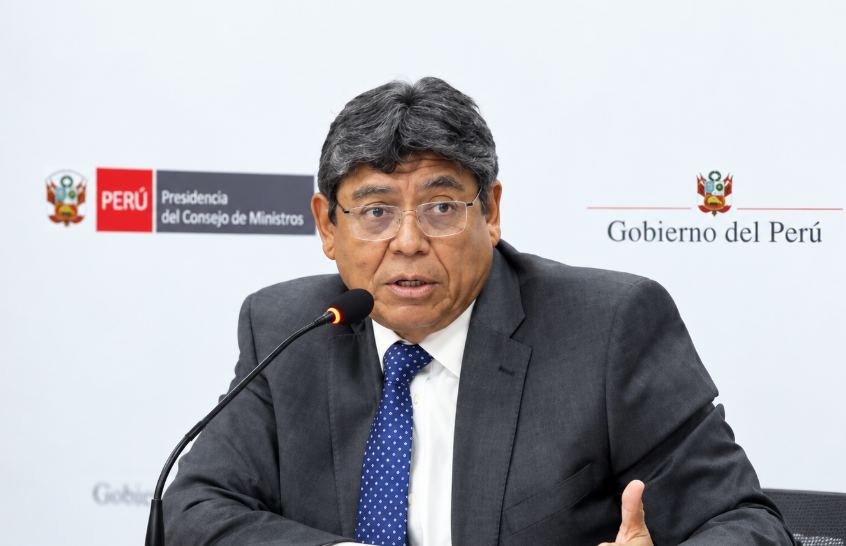
The first move took place in Talca, where municipal authorities identified 28 establishments linked to slot machines and gambling operations functioning under business licenses incompatible with gaming activity. Councilman Patricio Mena pushed for the administrative review following citizen complaints, while Mayor Juan Carlos Díaz confirmed that closure decrees would be executed within approximately 15 days, including police support if necessary. The case once again exposed increasing pressure against the unregulated land-based market.

Talca - Chile
At the same time, the Chilean government granted “suma urgencia” status to the online betting regulation bill originally introduced on March 7, 2022, under Bill No. 14.838-03, currently under second constitutional review in the Senate. The initiative involves the Ministry of Finance, Ministry of Economy, Ministry of Justice and Human Rights and Ministry of Health and seeks to transform the current Superintendence of Casinos of Gaming (SCJ) into the Superintendence of Casinos, Betting and Gambling, expanding digital oversight powers and real-time remote monitoring capabilities.

Councilman Patricio Mena
The SCJ, led in 2026 by Vivien Villagrán Acuña, would supervise a framework based on mandatory licensing, AML/KYC controls, beneficial ownership identification, self-exclusion registries, underage gambling restrictions and blocking mechanisms for illegal operators. The proposed tax structure includes a 20% levy on gross gaming revenue, VAT, a 1% responsible gaming contribution, and a 15% tax on player withdrawals.
The sector association aPAL; including operators such as Betsson, JuegaEnLinea, Coolbet and LatamWin, publicly supported the regulatory push, arguing that the online market already exists and requires legal certainty to attract investment and combat offshore operators.

Analysts estimate the regulated system could generate approximately CLP200 billion annually, equivalent to nearly US$223 million in tax revenue. The market is now moving toward online licensing consolidation, stronger enforcement, expanded technological monitoring and the integration of digital payments, sports betting and online casino operations under a regulated and traceable framework in Chile.