












Santiago, Chile, November 1, 2026. The National Federation of Casino and Hotel Workers' Unions (FENASICAJH) has called for measures promoting the formal employment of Chilean workers to be included in the proposed online betting regulations, warning that competition from unauthorized platforms threatens jobs at land-based casinos.

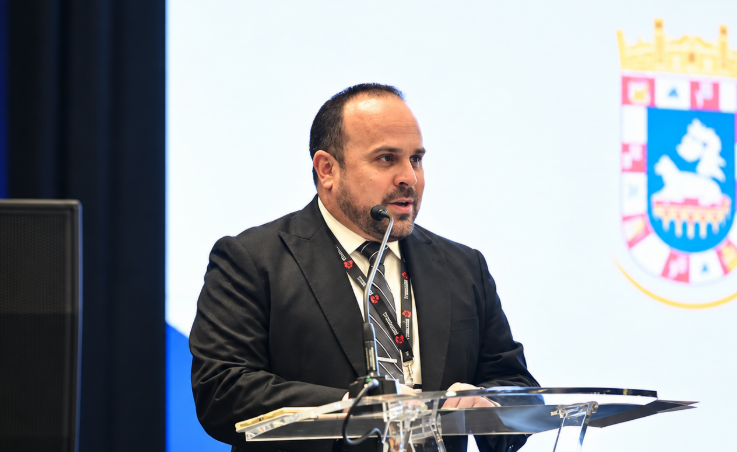
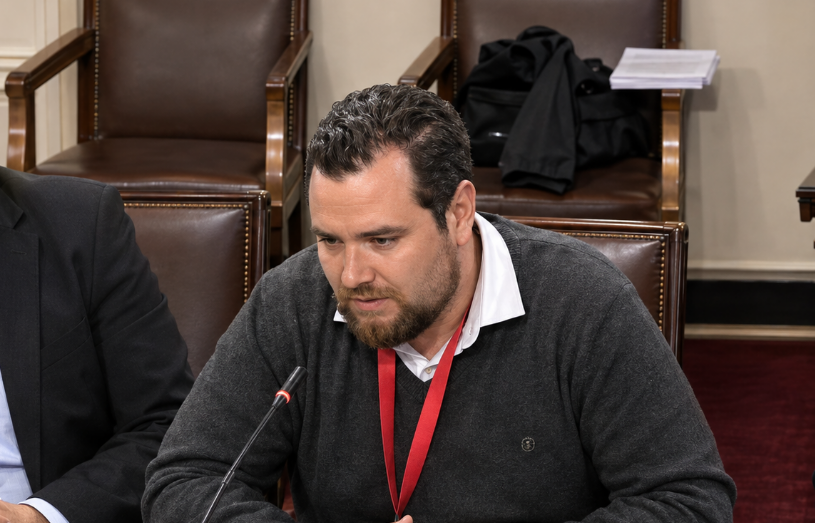
The demand was presented on October 29 by Diego Valerio Ávalos, President of FENASICAJH, who criticized the government's proposed amendments for failing to include employment incentives in a market that, according to the union leader, could generate thousands of jobs.
The legislative proposal, identified as Bill No. 14,838-03, remains in its second constitutional stage before the Chilean Senate. On October 27, the Senate's Economic Affairs Committee, chaired by Gastón Saavedra, began its article-by-article debate. One day earlier, President José Antonio Kast's government submitted 114 pages of amendments, signed by ministers Jorge Quiroz (Finance), Daniel Mas (Economy), May Chomalí (Health), Fernando Rabat (Justice), and Claudio Alvarado (Interior).
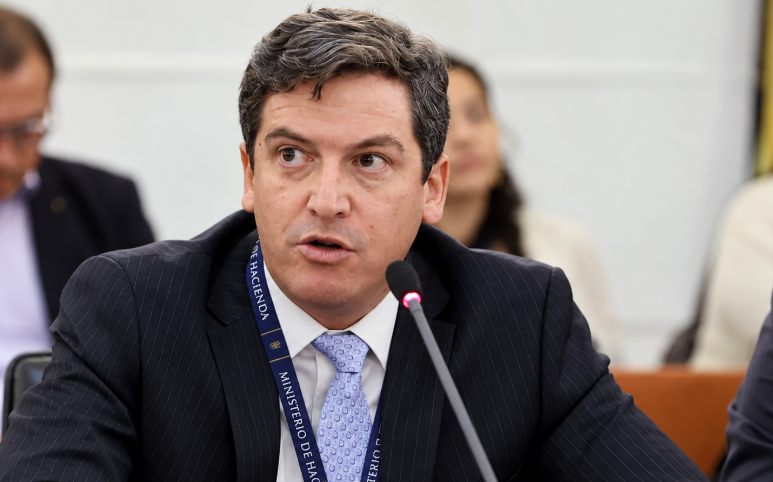
Undersecretary of Finance Sebastián Vallebona presented amendments covering advertising bans, identity verification, blocking illegal platforms, and a proposed effective tax rate of 22%. The reform includes provisional licenses costing 3,000 UTM, five-year permanent authorizations with annual fees of 1,000 UTM, and a minimum capital requirement of 5,000 UTM.
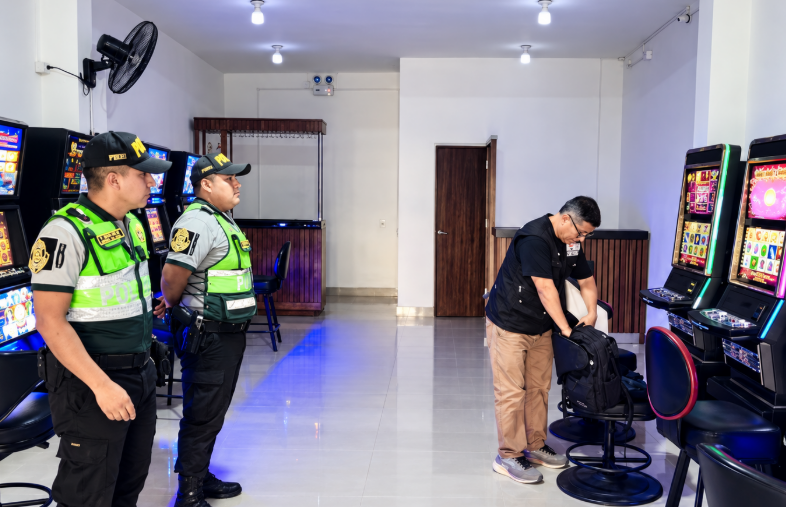
According to the Center for Public Studies (CEP), unauthorized online gambling generated approximately US$473 million in gross gaming revenue (GGR) during 2025, with potential tax revenue estimated at US$94 million. Additionally, traffic to unauthorized platforms increased 28%, reaching 24.9 million visits in August 2026, while authorities ordered the blocking of 79 domains during September.

The proposed legislation would expand the powers of the Superintendency of Gaming Casinos (SCJ), temporarily headed by Eduardo Cáceres Guzmán, with enforcement involvement from the Internal Revenue Service (SII) and the Undersecretariat of Telecommunications (Subtel). Ávalos is calling for the new market to incorporate local hiring and regional employment protection, while the government projects tax revenue exceeding US$100 million in its first year.