










Caracas, October 12, 2026. The National Lottery Commission (Conalot) has launched a nationwide coordination strategy to standardize inspections, operational requirements, and sanctioning criteria applicable to betting establishments, digital platforms, and video lottery machines across Venezuela. The initiative aims to strengthen regulatory oversight and establish uniform procedures for temporary or permanent closures.

The agency, led by acting president Edgar Alejandro Melo Rodríguez, appointed through Official Gazette No. 43,358 of April 20, 2026, brought together representatives of the Official Public Welfare and Social Assistance Institutions (IOBPAS) to coordinate regulatory enforcement across the country's regions.
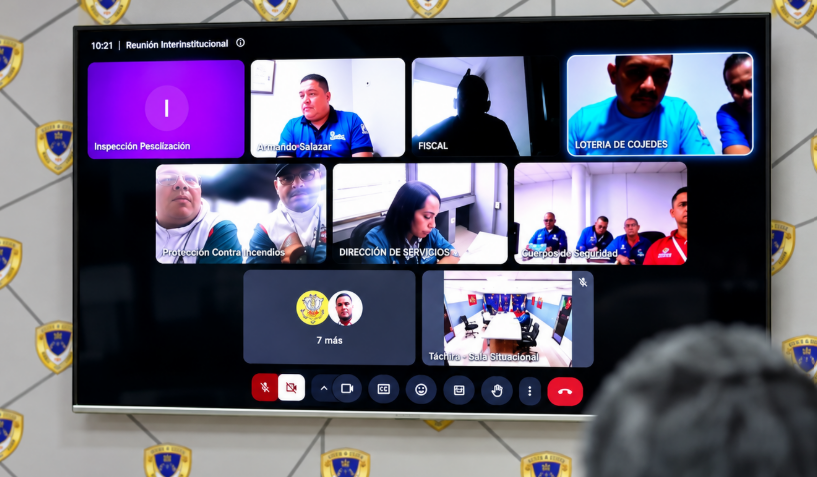
Participants included the Inspection, Registration, and Communications Management Departments, alongside the Strategic Monitoring Coordination Unit, responsible for coordinating administrative procedures, documentation oversight, and control mechanisms.

The strategy covers five operational areas: standardizing on-site and digital inspections, reviewing sanctioning powers, harmonizing closure criteria, organizing regional inspection schedules, and assessing technological requirements for video lottery machines and digital gaming platforms. Authorities aim to establish common standards for verifying licenses, documentation, and operating conditions, while coordinating the distribution of regional inspection schedules.

The legal framework is established by the National Lottery Law, amended in 2006, whose Article 16 provides for inspection, sanctioning, and closure powers. Conalot has not announced new fines, taxes, or legislative amendments. The initiative follows a September 21 statement in which the regulator reiterated that inspectors must carry institutional identification and administrative documentation authorizing their activities. Melo Rodríguez was also appointed acting president of the National Commission for Casinos, Bingo Halls, and Slot Machines, an institution separate from Conalot.

As of the announcement, authorities had not disclosed figures on inspected establishments, investigated platforms, supervised machines, or sanctions imposed. They also had not published state-by-state inspection dates, new technical specifications, or mandatory compliance deadlines for operators.