











The Congress of Peru revived on September 28, 2026 an initiative that would modify taxation on remote gaming and online sports betting, despite warnings from the previous Executive Branch that the change could reduce the effective burden of the Selective Consumption Tax (ISC) by between 90% and 95%. The former bill 09645/2024-CR, originally promoted by then-congresswoman Lady Camones Soriano, was updated and renumbered as Bill 00389/2026-2031-CD to continue its legislative process under the new bicameral Congress.

The proposal amends Law 31557, which regulates remote gaming and online sports betting. In addition to strengthening the powers of Mincetur to authorize and shut down operators and criminalizing sports match manipulation, it also changes the tax structure applied to the sector.

Lady Camones Soriano
The most sensitive issue is the ISC. Since July 1, 2025, online gaming and sports betting have been subject to a 1% tax, applied under the framework administered by SUNAT. The previous presidential observations argued that changing the tax base without simultaneously recalibrating the rate could sharply reduce tax collection.
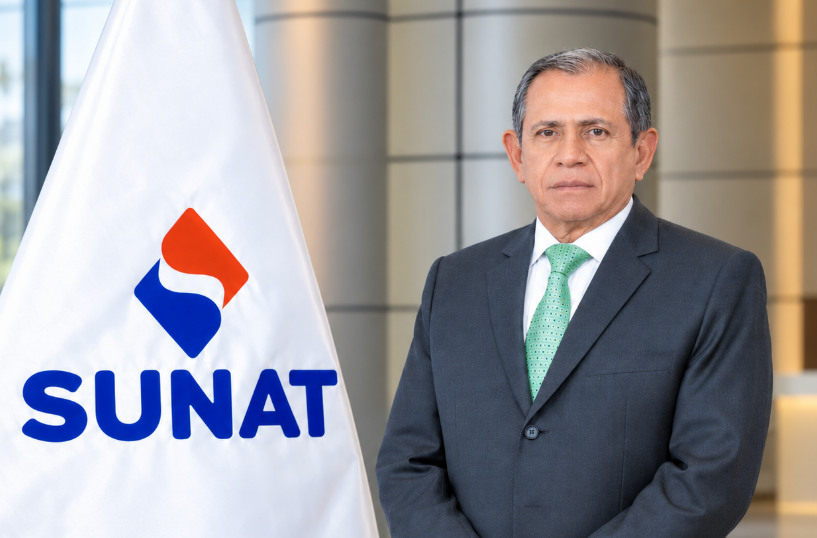
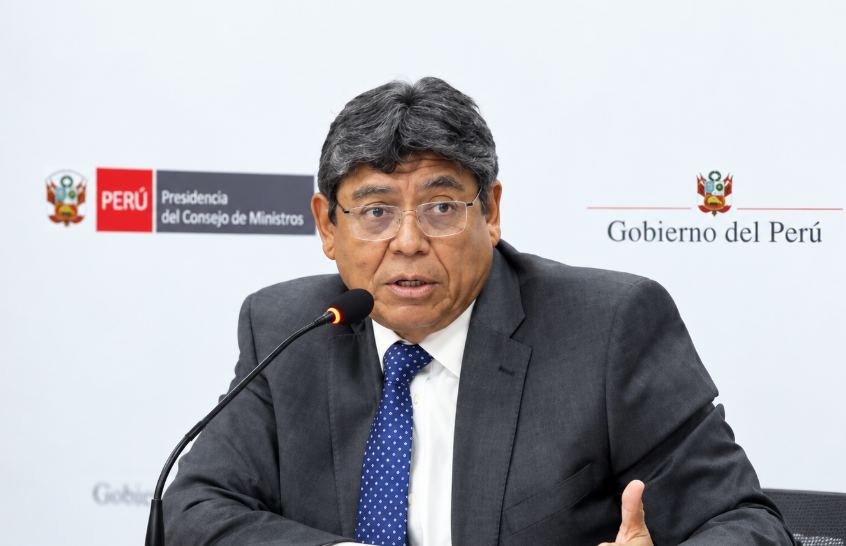
César Alfonso Luna Victoria León
The bill would also repeal paragraph e) of Article 53 of the IGV and ISC Law, which recognizes the player as the ISC taxpayer in these transactions, and would affect the mechanism introduced by Legislative Decree 1644, under which foreign platforms act as withholding or collection agents for players residing in Peru. Another change removes the authority of the Executive Branch and the Ministry of Economy and Finance (MEF) to adjust rates within statutory ranges. The MEF has been headed since July 28, 2026 by Elmer Cuba Bustinza.

Tax administration is handled by SUNAT, led by César Alfonso Luna Victoria León, while operational gaming regulation falls under Mincetur, headed by Minister Berthin Enrique Gómez Vela. The General Directorate of Casino Games and Slot Machines is led by Yuri Guerra Padilla, while Ruth Giovanna Llerena Villa serves on an acting basis as head of remote gaming authorization and registration. The initiative must now continue through the Chamber of Deputies, chaired by Oscar de Jesús Reto Otero, before any effective change to the sector’s tax burden can take place.