














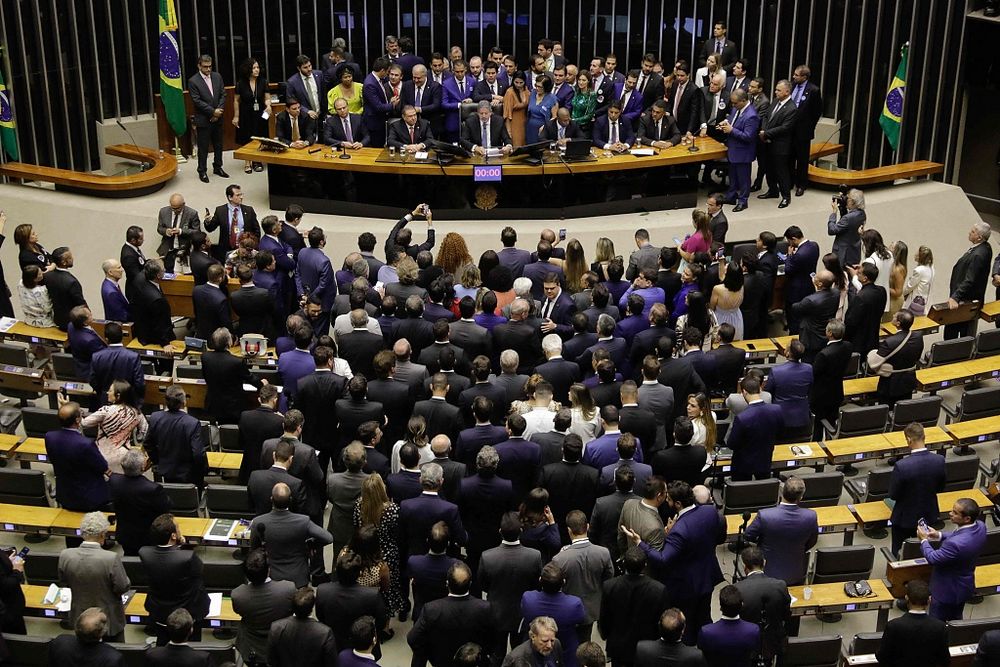
On March 25, 2026, Brazil advanced one of the most significant reforms for the gaming industry by integrating the betting sector into the Public Security Constitutional Amendment Proposal (PEC 18/2025), consolidating its role as a direct source of state funding.
The initiative, already approved in the Chamber of Deputies with a decisive vote of 461 in favor and 14 against, now moves to the Senate and redefines the relationship between gaming and public finances in the country.

At the core of the PEC is the requirement that a portion of betting revenues be allocated to strategic funds such as the National Public Security Fund (FNSP) and the National Penitentiary Fund (FUNPEN). The framework establishes a progressive allocation starting at 10% between 2026 and 2028, potentially increasing to up to 30% of sector revenues, calculated after payouts, taxes, and operator margins.

Rather than introducing a new tax, the measure creates a structural redistribution model, integrating the sector into the financing of key public policies. This comes as Brazil’s betting market exceeds $7 billion in annual revenue, while facing the challenge of formalizing an illegal segment estimated between R$26 billion and R$40 billion.

Although an additional 6% tax increase was not approved, the PEC reinforces indirect fiscal pressure on operators.
With this move, Brazil is not just regulating gambling—it is embedding it as a constitutional pillar of public funding.